


















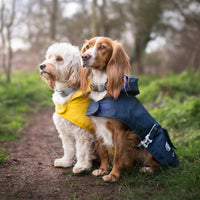
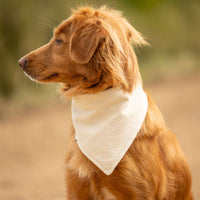
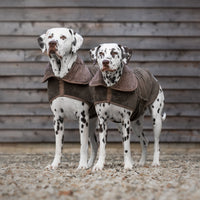





































As winter approaches, many pet parents find themselves wondering whether their furry friends need an extra layer to stay comfortable during chilly walks and frosty mornings. The answer to "do dogs need sweaters in winter" isn't one-size-fits-all—it depends on your dog's breed, size, age, and individual tolerance for cold weather. From recognizing the signs that your pup is feeling chilly to choosing the perfect fit and keeping their winter wardrobe fresh, we'll help you navigate everything you need to know about keeping your four-legged companion cozy all season long.
Why Some Dogs Need Sweaters in Winter
While many dogs come naturally equipped with thick, insulating coats, others genuinely benefit from a little extra help staying warm during chilly weather. Just like how you might reach for a jacket on a brisk morning walk, some pups need that same consideration when temperatures drop.
Size plays a huge role here. Smaller dogs lose body heat much faster than their larger counterparts because they have more surface area relative to their body mass. Your Chihuahua or Yorkshire Terrier simply can't generate and retain warmth the way a Golden Retriever can. I've watched tiny dogs start shivering within minutes of stepping outside on a cold day, while my neighbor's Bernese Mountain Dog happily romps through snow without missing a beat.
Coat type matters enormously too. Dogs with single-layer coats, short hair, or very fine fur lack the natural insulation that double-coated breeds enjoy. Breeds like Whippets, Italian Greyhounds, and many Pit Bulls have sleek coats that look gorgeous but offer minimal protection against winter's bite. These athletic builds that serve them so well in warmer weather become a disadvantage when frost starts appearing on the grass.
Age and health also factor into whether dogs need sweaters in winter. Senior dogs often struggle more with temperature regulation as their metabolism slows down, and pups with arthritis or other health conditions may need extra warmth to stay comfortable and mobile. Even some short-haired mixed breeds surprise their parents by constantly seeking out sunny spots or hovering near heating vents once the weather turns cold.
The good news is that keeping dogs warm doesn't have to be complicated. A well-fitted sweater can make all the difference for dogs who need that extra layer. You'll find everything from lightweight pullovers for mild days to more substantial winter coats designed for serious cold-weather adventures.
Breeds That Benefit Most from Winter Wear
Not every dog needs a sweater, but certain breeds face real challenges when temperatures drop due to their physical makeup and genetic traits. If you've ever watched a Greyhound shiver on a mild autumn day, you'll understand that some of our four-legged friends simply aren't built for chilly weather.
The breeds most likely to benefit from winter clothing fall into three main categories:
- Sighthounds (Greyhounds, Whippets, Italian Greyhounds, Salukis): These elegant athletes have incredibly thin skin, minimal body fat, and short coats that offer little insulation. Their lean build, while perfect for speed, leaves them vulnerable to cold.
- Short-haired breeds (Boxers, Pit Bulls, Boston Terriers, French Bulldogs): With single-layer coats and often muscular but low-fat builds, these dogs lack the natural insulation that double-coated breeds enjoy.
- Small and toy breeds (Chihuahuas, Yorkshire Terriers, Maltese, Papillons): Their tiny body mass means they lose heat quickly, and many have fine, silky coats that provide minimal warmth.
Special consideration: Senior dogs and puppies within any of these breed categories are especially vulnerable to cold, as age affects their ability to regulate body temperature effectively.
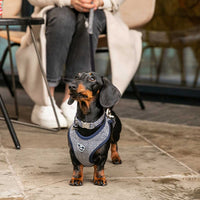
Understanding your dog's breed characteristics helps you answer the question "do dogs need sweaters in winter?" for your particular pup. Breeds like Dachshunds face unique challenges due to their low-to-ground build combined with short coats, which is why many pet parents find that specialized fleeces designed for their body shape work best. The key is recognizing that keeping dogs warm in cold weather isn't about fashion—it's about comfort and health for breeds that genuinely need the extra help.
Signs Your Dog Might Be Cold
Learning to spot when your dog feels cold helps you decide whether they need extra protection during chilly weather. Just like us, our furry friends have their own ways of saying "brrr, it's freezing out here!"
Watch for these telltale signs that your dog might be cold:
- Shivering or trembling - The most obvious clue that your pup is trying to warm up
- Seeking out warm spots - You'll find them curled up near heating vents, fireplaces, or claiming that perfect sunny patch by the window
- Reluctance to go outside - Suddenly hesitating at the door or giving you those pleading eyes to cut the walk short
- Lifting paws off cold surfaces - That adorable (but telling) paw dance or favoring one foot at a time
- Hunched posture - Tucking their tail under and pulling their body inward like they're trying to become a furry little ball
- Whining or showing anxiety - Expressing their discomfort through soft whimpers or restless pacing
- Slow movement or stiffness - Moving more gingerly than usual or seeming less bouncy during playtime
- Seeking extra cuddles - Becoming your shadow and pressing close to you or other pets for warmth
Keep in mind: Smaller breeds, senior dogs, and those with thin coats feel the cold much faster than their larger, fluffier companions who seem to thrive in winter weather.
When you spot these behaviors, it's worth considering some cozy winter wear for your four-legged friend. Understanding your dog's body language becomes especially valuable during colder months, helping you recognize these subtle signals and keep your companion comfortable all season long.
Choosing the Right Sweater for Your Dog
Finding the perfect sweater for your furry friend depends on your dog's individual needs and the winter weather you're facing together. A Chihuahua in Minnesota will need something quite different from a Labrador in mild coastal conditions, so think about your specific situation first.
When shopping for dog winter clothing, keep these key factors in mind:
- Proper fit - The sweater should be snug enough to retain body heat but loose enough for comfortable movement. Measure your dog's chest, neck, and length from collar to tail base before buying. If you're between sizes, go up rather than down.
- Material matters - Wool blends offer excellent warmth for dry conditions, while waterproof or water-resistant fabrics work better in snowy or rainy areas. Avoid anything that bunches up around the legs or restricts your dog's natural gait.
- Easy on, easy off - Look for designs with simple closures like velcro or snap buttons. Wrestling with complicated fastenings twice daily gets old fast, especially when your pup is already shivering and eager to get moving.
- Function over fashion - While a cute pattern is lovely, prioritize features that actually help with keeping dogs warm in cold weather. Think reinforced chest coverage, wind-resistant materials, and secure but comfortable leg openings.
The most important area to cover is your dog's chest and belly, where they lose heat fastest. Any sweater worth buying should provide solid coverage of these vulnerable spots without riding up during walks.
Quality options like the Kings Coronation Dog Coat show how thoughtful design and premium materials make a real difference. When you invest in well-made winter wear, you get both the warmth your dog needs and the durability that makes those daily winter walks comfortable for everyone involved.
Caring for Your Dog's Winter Wardrobe
Once you've decided that your dog needs winter wear, taking proper care of their sweaters ensures they'll stay cozy all season long. I learned this the hard way when my neighbor's Golden Retriever's beautiful cable-knit sweater turned into a felted mess after one trip through the washing machine on hot.
Always check the care label first, but most dog sweaters do best with a gentle machine wash in cold water. Turn them inside out to protect any decorative elements, and use a mesh laundry bag if the sweater has buttons or zippers. Skip the fabric softener—it can reduce the fabric's ability to wick moisture and may irritate sensitive skin.
Air drying works best for maintaining shape and preventing shrinkage. Lay sweaters flat on a clean towel, reshaping them while damp. This also gives you a perfect opportunity to check for loose threads, stretched seams, or worn areas that might poke or chafe.
Between wears, give sweaters a quick shake and brush off any debris. Store them folded in a clean, dry place rather than hanging, which can stretch the fabric over time. Keep a rotation of at least two sweaters so you always have a clean, dry option ready when keeping dogs warm in cold weather becomes a daily necessity.
Regular inspection becomes second nature once you get into the routine. Look for pilling around friction areas like the chest and underarms, and trim carefully with fabric scissors to keep your pup looking sharp throughout winter. You'll find a great selection of quality dog apparel designed to withstand regular washing and seasonal wear.