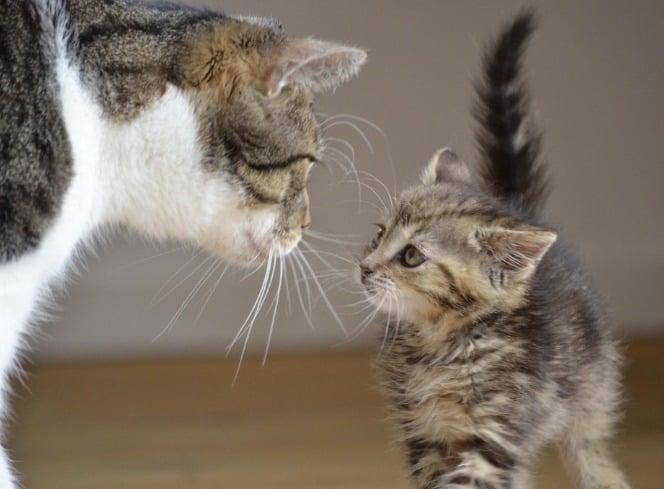
Getting a new kitten is super exciting but also comes with a number of challenges, especially if you already have a feline family member. Settling in a new kitten takes some thought and planning which is only exaggerated when you’re introducing them to an existing pet. Cats are very territorial and introducing a new family member to your cat’s space can take time and perseverance. They may not like the new addition at first, but with time and patience you’ll soon all live in harmony.
People have many questions about introducing new kittens to cats and we plan to answer some of the most frequently asked queries here. Read on to find out how to introduce your new pet to the family and what to do when things aren’t going as smoothly as you’d like.
Can You Introduce A Kitten To A Cat?
The simple answer to this is yes! Of course, you can introduce kittens to cats just the same as you can introduce puppies to cats and new kittens to dogs. That doesn’t mean it will be simple and there are some things you need to consider in preparation for bringing your new kitten home. Introducing them too quickly can lead to scared cats feeling threatened which can culminate in aggressive behaviour. In this situation it’s extremely difficult to change your cats’ minds about their new family members. Instead, take it slowly and plan the introduction carefully, and hopefully the new kitten will fit right in.
How Do I Introduce My New Kitten To My Cat?
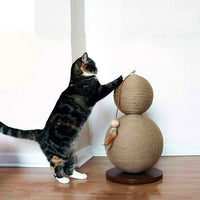
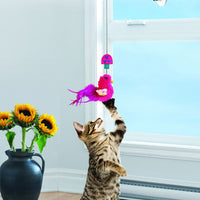
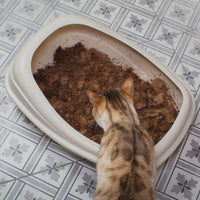
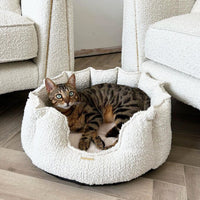
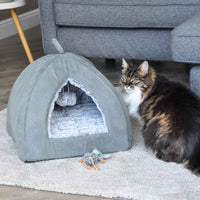
The first thing to consider is where your new kitten will live when you first bring them home. They will need their own room or area that is away from the other cat or cats that already share your home. In this area, you will need to provide everything your kitten needs including a bed, litter box, and food. They’ll also need a couple of cat toys and somewhere to scratch.
We’d also suggest investing in Feliway diffusers around the home. The Feliway Friends formula is designed especially for multi-cat households and will help to keep cats calm and relaxed.
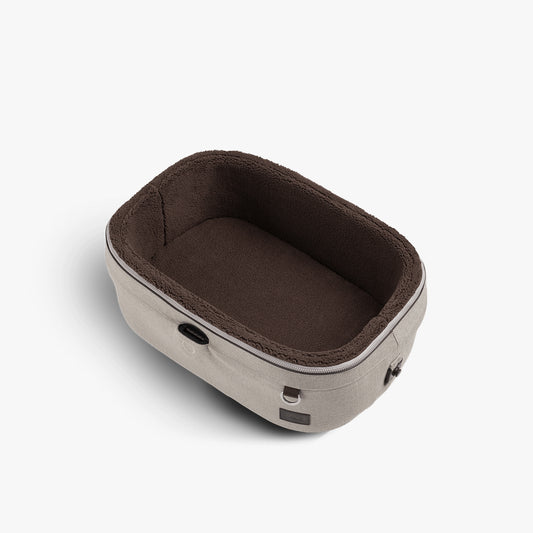
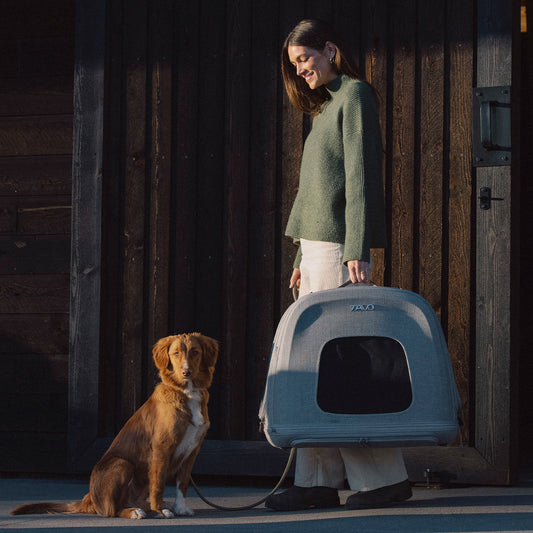
You should allow your kitten to settle into their new home for at least a few days before you try any introductions. When it comes to the first introduction, we’d suggest doing it either side of a pet gate or other partition. You could choose to keep your kitten in their carrier so that they feel secure. A division like this will allow the cats to see and smell each other without being able to touch. Choose a place that is relatively neutral to both cats and allow cat and kitten the ability to retreat and get back to their safe space. Also, allow the cats some distance at first and let them approach the other in their own time. Don’t force the meeting or place them directly next to one another. We’d suggest providing them both some food at this point, as a distraction and to help create a positive association with the meeting.
Keep the introduction short, but repeat the meetings in this way until cat and kitten show signs that they are becoming comfortable with each other. Some cats will get used to each other in only a few days whilst others may take a few weeks. Every cat is different and it’s about seeing how your cat and kitten react to the situation.
How Do I Get A Cat To Like A New Kitten?
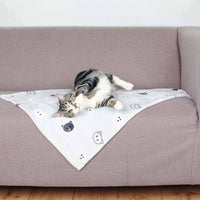
As we mentioned previously, the introductions should be taken slowly. There are a couple of things you can do to help get the cat to like the kitten. You could give them a scent blanket with your kitten’s scent on it and also give your kitten something with your older cat’s scent on. Do this a few weeks before the introduction and hopefully they'll be familiar with the scent helping to make them both feel at ease when they eventually meet.
Of course, your cat may not take to the kitten straight away and they may bat, hiss or growl at the kitten. This is quite normal and you shouldn’t worry too much. It just means they shouldn’t be left alone yet and the incremental introductions need to carry on a little longer. Perseverance is key here and it’s all about having patience and sticking to the plan of staged meetings.
Why Does My Cat Growl At My New Kitten?
When your cat does show signs of aggression, such as growling or hissing, they are trying to find out where they sit in the social hierarchy. New additions to the household can cause nerves and stress which can be displayed in different ways. Don’t worry too much about this behaviour, but do be aware of it. If your cat is growling or hissing at the new kitten, it just isn’t time for the two to live in the same rooms yet. Keep going with the distant introductions, with a safe barrier between, keep scent swapping and don’t give up!
How Long Will My Cat Hiss At My New Kitten?
This can really vary from cat to cat. Every pet is an individual with a unique personality; some more laid back than others. Some may not hiss at all and take to their family member in a couple of days, whilst others may show signs of aggression for a few weeks. All you can do is wait to find out how you and your cats get on together and react accordingly.
When you do start to open up the house to the kitten, start with one room at a time so that you can judge how both pets react to each other. Once they are living harmoniously, you can begin to open up more of the house, until your little kitten is fully integrated into the home.
Getting a new kitten is super exciting but also comes with a number of challenges, especially if you already have a feline family member. Settling in a new kitten takes some thought and planning which is only exaggerated when you’re introducing them to an existing pet. Cats are very territorial and introducing a new family member to your cat’s space can take time and perseverance. They may not like the new addition at first, but with time and patience you’ll soon all live in harmony.
People have many questions about introducing new kittens to cats and we plan to answer some of the most frequently asked queries here. Read on to find out how to introduce your new pet to the family and what to do when things aren’t going as smoothly as you’d like.
Can You Introduce A Kitten To A Cat?
The simple answer to this is yes! Of course, you can introduce kittens to cats just the same as you can introduce puppies to cats and new kittens to dogs. That doesn’t mean it will be simple and there are some things you need to consider in preparation for bringing your new kitten home. Introducing them too quickly can lead to scared cats feeling threatened which can culminate in aggressive behaviour. In this situation it’s extremely difficult to change your cats’ minds about their new family members. Instead, take it slowly and plan the introduction carefully, and hopefully the new kitten will fit right in.
How Do I Introduce My New Kitten To My Cat?
The first thing to consider is where your new kitten will live when you first bring them home. They will need their own room or area that is away from the other cat or cats that already share your home. In this area, you will need to provide everything your kitten needs including a bed, litter box, and food. They’ll also need a couple of cat toys and somewhere to scratch.
We’d also suggest investing in Feliway diffusers around the home. The Feliway Friends formula is designed especially for multi-cat households and will help to keep cats calm and relaxed.
You should allow your kitten to settle into their new home for at least a few days before you try any introductions. When it comes to the first introduction, we’d suggest doing it either side of a pet gate or other partition. You could choose to keep your kitten in their carrier so that they feel secure. A division like this will allow the cats to see and smell each other without being able to touch. Choose a place that is relatively neutral to both cats and allow cat and kitten the ability to retreat and get back to their safe space. Also, allow the cats some distance at first and let them approach the other in their own time. Don’t force the meeting or place them directly next to one another. We’d suggest providing them both some food at this point, as a distraction and to help create a positive association with the meeting.
Keep the introduction short, but repeat the meetings in this way until cat and kitten show signs that they are becoming comfortable with each other. Some cats will get used to each other in only a few days whilst others may take a few weeks. Every cat is different and it’s about seeing how your cat and kitten react to the situation.
How Do I Get A Cat To Like A New Kitten?
As we mentioned previously, the introductions should be taken slowly. There are a couple of things you can do to help get the cat to like the kitten. You could give them a scent blanket with your kitten’s scent on it and also give your kitten something with your older cat’s scent on. Do this a few weeks before the introduction and hopefully they'll be familiar with the scent helping to make them both feel at ease when they eventually meet.
Of course, your cat may not take to the kitten straight away and they may bat, hiss or growl at the kitten. This is quite normal and you shouldn’t worry too much. It just means they shouldn’t be left alone yet and the incremental introductions need to carry on a little longer. Perseverance is key here and it’s all about having patience and sticking to the plan of staged meetings.
Why Does My Cat Growl At My New Kitten?
When your cat does show signs of aggression, such as growling or hissing, they are trying to find out where they sit in the social hierarchy. New additions to the household can cause nerves and stress which can be displayed in different ways. Don’t worry too much about this behaviour, but do be aware of it. If your cat is growling or hissing at the new kitten, it just isn’t time for the two to live in the same rooms yet. Keep going with the distant introductions, with a safe barrier between, keep scent swapping and don’t give up!
How Long Will My Cat Hiss At My New Kitten?
This can really vary from cat to cat. Every pet is an individual with a unique personality; some more laid back than others. Some may not hiss at all and take to their family member in a couple of days, whilst others may show signs of aggression for a few weeks. All you can do is wait to find out how you and your cats get on together and react accordingly.
When you do start to open up the house to the kitten, start with one room at a time so that you can judge how both pets react to each other. Once they are living harmoniously, you can begin to open up more of the house, until your little kitten is fully integrated into the home.
SIGN UP FOR USEFUL TIPS & GUIDES STRAIGHT TO YOUR INBOX
Bringing a new kitten home is an exciting moment, but if you already have an older cat, you may be wondering how to make the introduction as smooth as possible. Cats are territorial creatures, and a sudden change in their environment can lead to stress, hissing, and even aggression. Fortunately, with patience and the right approach, you can successfully integrate a kitten with an older cat and create a harmonious home.
In this guide, we’ll walk you through every step of the process, from preparation to long-term integration.
Preparing for the Introduction
Before your kitten and older cat meet, it’s important to set the stage for success. Cats thrive on routine, so any disruption should be handled with care.
1. Create a Safe Space for Your Kitten
Your new kitten needs a dedicated area where they can settle in before meeting your older cat. This could be a spare room or a quiet corner of your home with essentials like:
A comfortable cat bed
Food and water cat bowls
A litter tray (separate from your older cat’s)
Toys
A scratching post
Keeping your kitten in a separate space for the first few days allows them to adjust to their new surroundings while preventing your older cat from feeling threatened.
2. Introduce Their Scents First
Cats rely heavily on scent to recognise their surroundings and other animals. Before a face-to-face introduction, swap bedding or gently rub a cloth on each cat and place it near the other. This allows them to get familiar with each other's scent in a non-threatening way.
3. Use a Pheromone Diffuser
If your older cat is prone to stress, consider using a calming pheromone diffuser in your home. These mimic natural cat pheromones and can help ease the transition. We love the Pet Remedy plug in diffusers, it has a unique formula using low concentration Valerian essential oils blended with Vetiver, Sweet Basil, and Sage. In times of stress or anxiety the nerves get over stimulated, which leads on to the many different signs of stress we see in our pets. The special Pet Remedy blend of essential oils works alongside these natural relaxation pathways to help calm the nerves of anxious or stressed pets.
The First Meeting
After a few days of scent swapping and separate living spaces, it’s time for the initial introduction.
1. Controlled Visual Introduction
The best way to introduce a kitten to an older cat is through a controlled, non-threatening environment. Use a pet gate or slightly open door to allow them to see each other without direct contact. Observe their reactions:
Curious but calm? A positive sign!
Hissing or growling? Normal at first—your older cat is setting boundaries.
Ears back, tail flicking aggressively? Your older cat may need more time.
Repeat this process over several days, allowing them to get used to each other’s presence before removing barriers.
2. Supervised Face-to-Face Meetings
When both cats appear comfortable, let them interact under supervision. Keep the meetings short and positive. Encourage good behaviour with treats or gentle praise.Expect some hissing or swatting—it’s your older cat’s way of setting boundaries. However, if there’s persistent aggression or excessive stress, separate them and try again later.
Managing Common Issues
Even with a careful introduction, some challenges may arise. Here’s how to handle them:
Older Cat Hissing at New Kitten
Hissing is a natural reaction—it’s your older cat’s way of saying, “Give me space.” As long as it doesn’t escalate into physical aggression, give them time to adjust. Continue scent swapping and controlled introductions.
Older Cat Stressed by New Kitten
If your older cat shows signs of stress (hiding, over-grooming, loss of appetite), ensure they have plenty of their own space. Consider adding extra vertical spaces like cat trees or shelves where they can retreat when needed.
How to Get an Old Cat to Like a New Kitten
Building a positive relationship takes time. Encourage bonding by:
Feeding them at the same time (but at a distance)
Playing with both cats together using a wand toy
Rewarding calm behavior with treats
Avoid forcing interaction—let them establish their own relationship at their own pace.
Long-Term Integration
As your kitten and older cat become more comfortable, you can gradually allow more unsupervised interactions. Ensure they each have their own essentials (litter trays, food bowls) to reduce competition.
It can take weeks or even months for an older cat to fully accept a new kitten, but with patience, most cats learn to coexist—and some even become best friends!
Final Thoughts
Introducing a kitten to an older cat requires patience and a thoughtful approach. By giving both cats their own space, managing their interactions carefully, and addressing any stress, you can create a peaceful home where both your new and old feline companions feel safe and happy.
If you're preparing for a new kitten, be sure to check out our kitten checklist for all the essentials you’ll need. From cosy beds to scratching posts and calming aids, Lords & Labradors has everything to help your cats adjust smoothly.
Maintaining a clean litter box is one of the most important things you can do for your cat's health and happiness, but figuring out exactly how often you should change your cat's litter can feel overwhelming with so many conflicting opinions out there. The truth is, the right schedule depends on your specific situation—your cat's habits, the type of litter you choose, and a few simple daily routines that make all the difference. Let's break down the practical steps that will keep your feline friend purring and your home smelling fresh.
Understanding Your Cat's Litter Needs
Your cat's relationship with their litter box tells you everything about their comfort and wellbeing. Most cats make 2-4 trips daily for urination and one for defecation, so this little corner of your home gets serious traffic. When you're wondering how often you should change your cat's litter, you're essentially asking how to keep up with one of their most important daily rituals.
Here's the thing about cats: they're incredibly particular about cleanliness. In the wild, they bury their waste to stay hidden from predators, and that fastidious nature doesn't disappear just because they're living the good life on your sofa. When their litter box falls below their standards, they'll let you know—sometimes by avoiding it altogether, which leads to unwelcome surprises around the house, or through stress behaviors like excessive grooming or finding new hiding spots.
Watch your cat at their litter box, and you'll see exactly what I mean. A happy cat approaches confidently, digs with purpose, does their business, covers it thoroughly, and walks away satisfied. A cat dealing with a less-than-ideal situation? They'll perch on the edges like they're navigating a minefield, rush through everything, or give you those unmistakable "fix this immediately" stares.
The beautiful thing is that staying ahead of litter box maintenance doesn't mean becoming a full-time janitor. A few minutes of daily attention actually saves you hours later by preventing stubborn odors and avoiding those complete box overhauls that nobody enjoys. Your cat stays content, your home stays fresh, and you get the satisfaction of supporting their natural instincts.
Daily Spot-Cleaning: A Simple Routine
Daily spot-cleaning forms the backbone of effective litter box maintenance and directly impacts how often you should change your cat's litter completely. This simple five-minute routine involves removing solid waste and clumped urine daily, keeping the remaining litter fresh for much longer. When you stay on top of daily cleaning, you can stretch the time between full litter changes from every few days to once or twice a week, depending on your cat and litter type.
Here's how to make daily spot-cleaning quick and efficient:
Choose your timing wisely - Most cats prefer using a clean box, so scoop in the morning or evening when your feline friend is most active. I find evening works best since it gives my cats a fresh start for overnight visits.
Use a sturdy, slotted scoop - A good-quality scoop with appropriately sized holes makes the job faster and prevents you from accidentally removing clean litter along with waste.
Work systematically - Start from one end of the box and move to the other, gently sifting to let clean litter fall through while capturing clumps and solids in one smooth motion.
Top off as needed - Add a small amount of fresh litter to replace what you've removed, maintaining a consistent depth of about two to three inches.
Dispose thoughtfully - Seal waste in a small bag or use flushable litter according to manufacturer guidelines and your local regulations.
The benefits of this daily routine extend far beyond keeping things tidy. Your cat enjoys a consistently clean bathroom, which dramatically reduces the chance of accidents outside the box. Odors stay manageable because waste doesn't have time to break down and create stronger smells. You'll actually use less litter overall since the majority stays clean and usable for longer periods.
There's another bonus many pet parents don't consider: regular scooping helps you spot health changes early. When you're checking the box daily, you'll quickly notice if your cat's bathroom habits shift, which can be an early indicator that a vet visit might be needed.
This routine is one of the most effective ways to reduce litter box smell naturally while building a sustainable cleaning schedule that works for busy pet parents. Your cat will appreciate the attention to their comfort, and you'll find that maintaining their space becomes second nature within just a few weeks.
Full Litter Changes: When and Why
While daily scooping keeps things manageable, a complete litter change means emptying the entire box, cleaning it thoroughly, and starting fresh with new litter. This deeper clean eliminates lingering odors, bacteria, and residue that builds up over time—making it essential for maintaining a truly fresh home and keeping your cat comfortable.
Several key factors determine how frequently you'll need these full changes:
• Number of cats sharing the box - A single cat typically allows for weekly changes, but two cats using the same box will need fresh litter every 3-4 days. More cats simply mean more waste and faster odor buildup.
• Type of litter you're using - Clumping litters often last longer between full changes since you remove most waste during daily scooping. Non-clumping varieties absorb odors throughout the litter and usually need replacing every few days.
• Size of your litter box - Larger boxes with more litter volume can go longer between changes, while smaller boxes reach their saturation point much faster, especially with finicky cats who demand pristine conditions.
Here's how to tackle a thorough litter change that actually gets the job done:
Empty all used litter into a sturdy garbage bag, scraping away any stuck bits with your scoop
Rinse the empty box with warm water and mild dish soap
Scrub away residue or stains with a pet-safe cleaner
Rinse thoroughly and dry completely before adding fresh litter
Pour in 2-3 inches of new litter, adjusting based on your cat's digging habits
Place the box back in its usual spot and give your cat time to inspect your handiwork
Most single-cat households can stick to weekly full changes, while multi-cat homes often need refreshing every 3-5 days. Trust your nose and your cat's behavior over rigid schedules. Persistent odors after scooping, your cat avoiding the box entirely, or visible saturation throughout the litter all signal it's time for an immediate refresh. Your cat will thank you for staying on top of it.
Choosing the Right Litter for Your Cat
The type of litter you choose has a massive impact on how often you should change your cat's litter. Some materials naturally control odors better and last longer between full changes, while others need more frequent attention to keep your home fresh and your cat happy.
Litter Type
Change Frequency
Odor Control
Key Pros & Cons
Clay (Non-clumping)
Every 3-4 days
Fair
Affordable, absorbs moisture well / Gets soggy quickly, tracking issues
Clumping Clay
Weekly
Good
Easy scooping, long-lasting / Dusty, heavier to carry
Crystal/Silica
2-3 weeks
Excellent
Superior odor absorption, low dust / Higher upfront cost, some cats dislike texture
Natural/Biodegradable
5-7 days
Good
Eco-friendly, flushable options / Can be pricier, may need more frequent changes
When selecting the best cat litter for odor control that fits your lifestyle, think about these practical considerations:
Your cat's texture preferences—trust me, some cats have very strong opinions about crystal versus clay
Household sensitivity to dust or fragrances (especially important with family members who have allergies)
How much time you realistically have for daily scooping and maintenance
Your budget for both the initial purchase and ongoing costs
Environmental priorities and how you prefer to dispose of used litter
Crystal litters have been game-changers for busy pet parents who want excellent odor control with less frequent full changes. Natural options work beautifully for eco-conscious families, though you might find yourself changing them a bit more often. The secret is finding that perfect match between your cat's comfort and your maintenance routine.
Your litter choice sets the foundation for everything else. When you hit that sweet spot between effective odor management and your cat's preferences, you'll naturally extend time between full changes while keeping a fresh space that makes both of you happy.
Hygiene Best Practices for a Happy Cat
Maintaining excellent litter box hygiene goes far beyond just asking, "how often should I change my cat's litter?" While regular changes are key, creating a fresh and welcoming space for your feline involves caring for the entire litter area. Cats have a keen sense of smell and can detect odors and bacteria that might evade our senses, which directly affect their willingness to use the box and their health.
These essential tips will ensure a happy litter box experience for your cat:
Scoop Twice Daily: Aim for a quick scoop in the morning and evening to keep unpleasant odors at bay and stop bacteria in their tracks.
Weekly Deep Clean: Give the litter box a thorough wash every week using warm water and mild, unscented dish soap. Steer clear of harsh chemicals that might discourage your cat from using the box.
Optimal Litter Depth: Keep 2-3 inches of litter in the box. This helps in absorbing moisture and prevents waste from reaching the box bottom.
Daily Area Clean-Up: Wiping down the area around the box each day helps control tracked litter and stops bacteria from setting up camp.
Liner Management: If liners are part of your routine, change them weekly. Many cats, however, prefer the box without them, so feel free to skip if necessary.
Floor Maintenance: Vacuum or sweep the area around the box every few days to handle any stray litter and maintain cleanliness.
Strategic Mat Placement: A quality litter mat outside the box can trap particles, stopping them from becoming a household menace.
Ventilation Matters: Ensure the litter area has good airflow. This fights moisture and keeps germs at bay.
Following these practices alongside your litter change schedule ensures a space your cat will love. It’s more than just avoiding bad smells—you're nurturing their natural instincts and keeping stress-related behaviors to a minimum. A clean and inviting litter setup means a happy, content cat, and who wouldn't want that?
Creating a Litter Box Routine That Works for You
The key to mastering how often you should change your cat's litter lies in finding a rhythm that works for both you and your feline friend. Start by setting realistic expectations for yourself. If you're naturally a morning person, build litter box maintenance into your coffee routine. Night owls might prefer checking the box before settling in for the evening. The important thing is consistency, not perfection.
Consider your household's unique circumstances when establishing your routine. Multi-cat homes will need more frequent attention, while single-cat households can often stretch a bit longer between full changes. If you travel frequently for work, you might invest in the best cat litter for odor control to maintain freshness during longer stretches. Similarly, if you have a particularly picky cat, you'll quickly learn the signs it's time to change cat litter before they start protesting with pointed stares or strategic deposits outside the box.
Your routine will naturally evolve as you learn your cat's preferences. Maybe you'll discover that Thursday is mysteriously always the smelliest day, or that your cat becomes finicky right before weekend guests arrive. These little quirks become part of your shared language as pet parent and cat—those moments when you think, "Ah, Princess Whiskers is giving me that look again."
Don't stress if it takes a few weeks to find your groove. Every experienced cat parent has stories of trial and error, from accidentally buying the wrong litter type to realizing their "low-maintenance" cat actually has very specific opinions about cleanliness. The goal isn't Pinterest-perfect litter box management, but creating a sustainable system that keeps both you and your cat content with a fresh, clean space.
If you’ve ever found yourself staring at your cat and wondering, “Who’s really in charge here?” then you’re not alone. From ignoring commands to opening doors and outsmarting the treat tin, cats have an uncanny knack for making us feel like the daft ones in the relationship.
So, are our feline companions secretly geniuses in fur coats, or are we just a bit too easily impressed by their antics? Let’s find out whether your cat might just be smarter than you think (and possibly smarter than you).
How Smart Are Cats, Really?
Cats are clever, there’s no doubt about that. While they might not do your taxes or fetch your slippers (they’d argue they have people for that), cats are masters of observation, memory, and problem-solving.
Research has shown that cats have complex cognitive abilities similar to those of young children. They can learn routines, recognise words, and even manipulate humans to get what they want (we see you, breakfast-at-5-a.m. crowd).
In short, cats are less about obedience and more about strategy. They’re not trying to impress you, they’re working out the quickest route to what they want.
Smarter Than You Think: Signs of Feline Intelligence
So how do you know if your cat’s secretly running mental rings around you? Here are a few tell-tale signs that your moggy’s mind might be sharper than expected:
They’ve Trained You, Not the Other Way Around: Does your cat meow in a certain way and you immediately respond with food, a cuddle, or by opening a door? Congratulations, you’ve been trained. Cats are expert behaviourists who quickly learn what gets them results. You think you’re in control, but they’ve been conducting a long-term psychology experiment, and you’re the subject.
They Solve Problems (Especially Food-Related Ones): Whether it’s nudging open cupboards, jumping on worktops, or working out how to knock the treat jar off the shelf, cats have impressive problem-solving skills. Studies show they can learn through observation, meaning they watch us perform tasks and then replicate them. That explains how they somehow open doors you swore were cat-proof.
They Remember Everything (Especially the Important Stuff): Your cat might appear aloof, but their memory is surprisingly sharp. They can recall people, places, and experiences for years, particularly if food or comfort is involved. So yes, they definitely remember that time you were late with dinner… and they’re still judging you for it.
They Communicate Intentionally: Cats meow primarily to humans, not to each other. Each meow, trill, or chirrup has meaning, and they quickly learn which sounds get the biggest reaction. In essence, they’ve built a custom language just for you. If that’s not intelligent adaptation, what is?
They Know How to Get What They Want (and When): From sitting on your laptop mid-email to knocking objects off the table until you pay attention, cats are experts at controlling human behaviour. They’ve learned through trial and error exactly how to push our buttons, sometimes literally.
Cat Intelligence vs. Human Intelligence
It’s unfair to directly compare cat and human intelligence, after all, we’ve evolved to be good at very different things. But when it comes to certain types of smarts, cats could give us a run for our money.
Cats excel in instinctive intelligence, they can hunt, problem-solve, and navigate their environment with ease. Their emotional intelligence is also underrated; many cats can sense their owner’s mood and adjust their behaviour accordingly. Ever noticed your cat curling up with you when you’re unwell or stressed? That’s empathy at work.
In other words, while you might be smarter at paying bills, your cat’s definitely cleverer at manipulating emotions and maximising comfort, which arguably makes them the true genius of the household.
Are Some Cat Breeds Smarter Than Others?
Some breeds are particularly known for their brainpower. If your cat’s a bit of a mastermind, they might belong to one of these sharp-minded groups:
Siamese: Chatty, curious, and quick to learn tricks, these cats love mental stimulation.
Bengal: Adventurous and athletic, with the brains to match.
Abyssinian: One of the oldest and most intelligent breeds; they learn by watching.
Maine Coon: Gentle giants with a problem-solving streak.
Sphynx: Exceptionally social and observant, they read humans like a book.
Of course, every cat is unique. Even your laid-back British Shorthair can surprise you with a moment of sheer genius (usually when you least expect it).
Can You Make Your Cat Even Smarter?
Absolutely! Cats thrive on mental stimulation, and just like us, they need to exercise their minds. Here are some ways to encourage their inner Einstein:
Interactive Play: Toys that move, rattle, or hide treats tap into your cat’s hunting instincts and keep their brain buzzing.
Puzzle Feeders: These make mealtimes a mental workout, challenging your cat to think before they eat.
Training & Tricks: Believe it or not, cats can learn tricks just like dogs, you just need patience (and a lot of treats).
Try starting with our guide: Train Your Cat: Top Tricks for Clever Cats.
New Experiences: Rotate toys, rearrange play areas, and give them safe access to different views, a sunny windowsill, a cat tree, or a secure garden enclosure.
The more variety you add, the more your cat’s intelligence will shine through. And who knows, they might even start teaching you a few tricks.
So… Is My Cat Smarter Than Me?
In their own way, yes probably! Cats may not understand quantum physics, but they’ve mastered the art of getting what they want with minimal effort. They’re observant, emotionally intuitive, and endlessly resourceful.
So next time your cat outsmarts you, don’t take it personally, just admire their brilliance (and maybe offer them a treat for their trouble).
Keep Their Brilliant Minds Busy
From interactive toys and cat trees to treats and puzzle feeders, Lords & Labradors has everything you need to keep your clever kitty mentally stimulated and endlessly entertained.
Because if your cat is smarter than you, the least you can do is keep them happy about it!
Can You Flush Your Dog and Cat’s Poo Down the Toilet? The Truth About Pet Waste Disposal in the UK
If you’re a pet owner, you’ll know that clearing up after your furry friend isn’t the most glamorous part of the job. Whether you’re scooping cat litter or bagging up after a dog walk, you’ve probably wondered at some point: can you just flush it down the toilet and save yourself the hassle?
It sounds quick, clean, and even eco-friendly. But before you send that little parcel swirling away, let’s bust the myth once and for all. Flushing pet poo, whether it’s from your dog or cat, is not the answer, and it could cause more harm than good.
Here’s why flushing pet waste isn’t as simple as it seems, and what you should do instead to dispose of it safely and sustainably.
Myth #1: “It’s just like human waste, so it’s fine to flush.”
If only! While it might seem logical that pet and human waste can go down the same route, the truth is a little murkier.
Dog and cat poo can carry parasites, bacteria, and pathogens that human sewage systems aren’t designed to treat. The most well-known is Toxoplasma gondii, a parasite found in cat faeces that can survive traditional sewage treatment. Once it reaches waterways, it can harm marine wildlife and even pose risks to human health.
So while it may vanish from sight, it doesn’t vanish from the world, flushing pet poo simply moves the problem elsewhere.
Myth #2: “Flushing is better for the environment than using poo bags.”
Many eco-conscious pet owners in the UK want to reduce plastic use, which is fantastic, but flushing animal waste isn’t the greener option it appears to be.
Most UK water treatment plants aren’t built to process animal waste, meaning harmful microorganisms can slip through filtration systems and contaminate rivers and coastal waters. Over time, this disrupts delicate ecosystems and affects aquatic life.
A better alternative? Biodegradable or compostable poo bags. They break down much faster than traditional plastic and can be safely disposed of in general waste bins.
Myth #3: “Flushing pet waste every now and then won’t hurt.”
Unfortunately, even the odd flush can lead to unpleasant consequences. Pet waste can clump, swell, and block pipes, especially when mixed with cat litter or pet hair. This can cause slow drains, nasty smells, or even full-blown plumbing disasters.
So, even if you only do it occasionally, flushing pet poo is a risk that’s just not worth taking, particularly in older UK plumbing systems that aren’t designed for it.
Myth #4: “Flushable cat litter makes it okay.”
Flushable litters might sound like the perfect solution, but they come with a catch. Even those labelled “flushable” may not fully break down in water. Many are made from biodegradable materials like corn, paper, or wood that absorb moisture and expand, risking pipe blockages or build-up over time.
What’s more, UK water companies, including Thames Water and Severn Trent, strongly advise against flushing any kind of cat litter, even if the packaging says otherwise. So while flushable litter sounds handy, it’s best to play it safe and bin it instead.
Myth #5: “Flushing helps keep the house smelling fresh.”
We get it, when you’re trying to keep your home smelling lovely, sending the smell down the drain feels like the fastest fix. But there are much better ways to stay fresh without risking your plumbing.
For cat owners, try using high-quality odour-control litter and scoop trays daily. For dog owners, bag and bin waste straight away during walks and use eco-friendly sprays or wipes at home.
And if you want to level up your clean-up routine, Lords & Labradors offers a range of stylish litter trays, cleaning sprays, and accessories designed to make pet parent life a little more elegant (and a lot less smelly).
So, How Should You Dispose of Dog and Cat Poo Safely?
Here’s what UK pet owners should do instead:
🐾 Dog waste: Always bag it, ideally in a biodegradable or compostable bag, and place it in general waste or designated dog waste bins. Never flush it, even if the bag claims to be “flushable.”
🐾 Cat waste: Scoop the litter daily and dispose of waste in the household rubbish. For hygiene, use a liner or small biodegradable bag and wash your hands thoroughly afterwards.
If you’re aiming for a more sustainable setup, you can look into pet waste composting systems, though remember, compost made from animal waste should never be used on edible plants.
The Final Flush: Don’t Do It!
So, can you flush cat poo or dog poo down the toilet?
In short, no!
It might seem convenient, but flushing pet waste can cause plumbing issues, environmental harm, and even health risks. Stick to tried-and-tested disposal methods instead: bag it, bin it, and keep it out of the loo.
Your drains (and the UK’s waterways) will thank you for it.
Keep Your Home Fresh and Planet-Friendly
Dealing with pet mess doesn’t have to be unpleasant. From eco-friendly poo bags and litter trays to pet-safe cleaning products, Lords & Labradors has everything you need to keep your home fresh, hygienic, and stylish, without flushing your way into trouble.
Because when it comes to your pets, the only thing that should go down the toilet is… toilet paper! 🐾