

















































































When it comes to giving our dogs the very best in comfort and care, their bed is one of the most important investments we can make. While any soft cushion might seem like enough, for certain dogs, especially seniors or breeds prone to joint issues an orthopaedic dog bed can make a world of difference. But are they really worth it? Let’s explore the benefits, the dogs who need them most, and what to look for in the best dog bed for arthritis and joint support.
What Is an Orthopaedic Dog Bed?
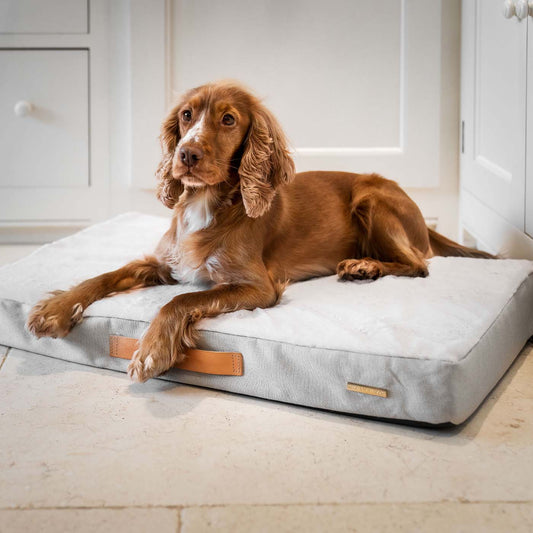
An orthopaedic dog bed is designed with supportive materials such as memory foam or high-density foam, which contour to your dog’s body. Unlike traditional beds, these don’t simply flatten under pressure. Instead, they distribute your dog’s weight evenly, reducing strain on sensitive joints, hips, and muscles.
For dogs with arthritis, hip dysplasia, or recovering from surgery, this type of support can be invaluable. But many younger and active dogs benefit too, as it helps prevent wear and tear over time.
Benefits of Orthopaedic Dog Beds
- Pain Relief for Senior Dogs - As dogs age, their joints naturally become stiffer. Arthritis is particularly common in older dogs, and getting up and down from hard or unsupportive surfaces can become uncomfortable. An orthopaedic dog bed cushions their joints, making resting and rising easier.
- Support for Breeds Prone to Joint Problems - Certain breeds are genetically more likely to develop joint issues. Large dogs such as Labradors, German Shepherds, and Golden Retrievers are especially prone to hip dysplasia and arthritis. For these breeds, an orthopaedic dog bed isn’t just a luxury, it’s a proactive step to support their health.
- Improved Sleep Quality - Just like humans, dogs need deep, restorative sleep. When their body is properly supported, they are less likely to toss and turn. A well-rested dog is a happier, healthier dog.
- Prevention of Pressure Sores - Dogs that lie for long periods whether due to age, illness, or limited mobility, can develop pressure sores on hard surfaces. Orthopaedic foam reduces this risk by spreading weight evenly and minimising pressure points.
- Long-Term Investment - Although an orthopaedic dog bed is usually more expensive than a standard cushion, its durability and health benefits make it a cost-effective choice. Quality foam won’t sag or flatten quickly, meaning you won’t need to replace it as often.
Orthopaedic vs. Standard Dog Beds: What’s the Difference?
To help decide whether an orthopaedic dog bed is worth the investment, here’s a side-by-side look:
|
Feature |
Standard Dog Bed |
Orthopaedic Dog Bed |
|
Filling |
Polyester stuffing, fibre, or basic foam |
Memory foam or high-density foam layers |
|
Support |
Can flatten over time, offering uneven support |
Even weight distribution, contours to body |
|
Joint Care |
Minimal – may aggravate arthritis or joint pain |
Reduces pressure on joints, ideal for arthritis |
|
Durability |
May lose shape quickly |
Designed to last longer without sagging |
|
Price |
Lower initial cost |
Higher cost but long-term value |
|
Best For |
Young, healthy dogs with no mobility issues |
Senior dogs, large breeds, or those with arthritis |
This comparison shows that while standard beds are suitable for many younger, healthy dogs, orthopaedic beds are the clear winner when it comes to comfort, joint care, and longevity.
What Materials Are Used in Orthopaedic Dog Beds?
The best orthopaedic dog beds are made from memory foam, which adapts to your dog’s shape and returns to its original form after use. High-density foam layers are often combined with memory foam to provide extra firmness and stability.
Other features to look for include:
- Removable, washable covers – essential for hygiene.
- Water-resistant liners – to protect against accidents or spills.
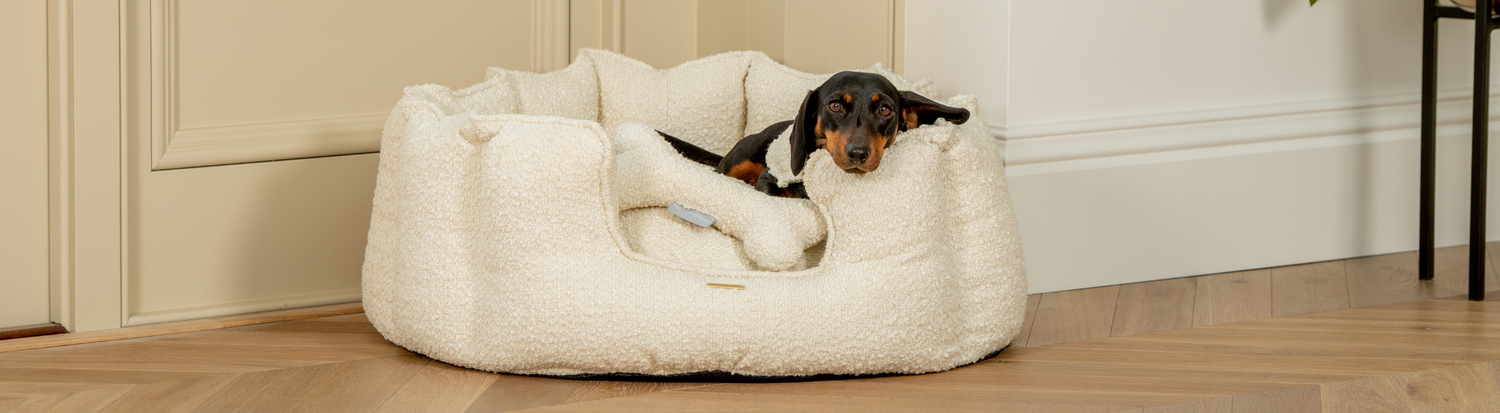
- Raised edges or bolsters – perfect for dogs who like to rest their heads while still supporting their joints.
Is an Orthopaedic Dog Bed Worth It?
For dogs with arthritis, joint problems, or in their golden years, the answer is almost always yes. These beds can significantly improve comfort and quality of life, helping your dog stay mobile and pain-free for longer.
Even if your dog is still young and sprightly, investing in a supportive bed now can help protect their joints as they age. Think of it as preventative care, just as you’d choose a supportive mattress for yourself.
Choosing the Best Dog Bed for Arthritis
When shopping for the best dog bed for arthritis, consider the following:
- Size: Ensure your dog can stretch out fully without hanging off the edges.
- Thickness: The thicker the foam, the better the support—ideally at least 4 inches.
- Ease of cleaning: Removable covers make life much easier.
- Design: Flat beds are best for dogs with severe mobility issues, while bolstered beds suit those who like extra head support.
At Lords & Labradors, we offer a range of orthopaedic dog beds crafted with comfort, support, and style in mind, so you don’t have to compromise between practicality and luxury.
An orthopaedic dog bed is more than just a comfy place for your pet to snooze. For senior dogs, those with arthritis, and breeds prone to joint problems, it’s a vital part of their care. The right bed can ease pain, improve sleep quality, and protect long-term joint health, making it a truly worthwhile investment.
Frequently Asked Questions
Are orthopaedic dog beds firm?
Orthopaedic dog beds are designed to be supportive rather than simply soft. Most use memory foam or high-density foam, which provides a firm yet comfortable base that contours to your dog's body. This means the bed won't sink or collapse under your dog's weight the way a standard cushion might. The result is a surface that feels gently firm — enough to support joints and distribute pressure evenly, but with enough give to remain comfortable for extended rest. Think of it like a good mattress for humans: firm enough to support, cushioned enough to sleep well.
What are the disadvantages of orthopaedic beds?
While orthopaedic dog beds offer many benefits, there are a few considerations to keep in mind. The most notable is cost — they are typically more expensive upfront than standard dog beds. They can also be heavier and bulkier, which may make them harder to move around or transport. Some orthopaedic beds may retain heat more than thinner alternatives, which could be uncomfortable for dogs who run warm. Additionally, if the cover isn't removable or the foam isn't waterproof-lined, cleaning can be more challenging. That said, choosing a quality orthopaedic bed with a washable cover and a water-resistant liner addresses most of these concerns.
Do senior dogs like orthopaedic beds?
Most senior dogs take very well to orthopaedic beds, especially once their joints begin to stiffen with age. Older dogs with arthritis or hip dysplasia often find it painful to rise from hard or unsupportive surfaces, so the extra cushioning and joint relief an orthopaedic bed provides can make a noticeable difference to their comfort and mobility. That said, some dogs are creatures of habit and may need a little time to adjust to a new bed. Placing the orthopaedic bed in their favourite spot and making it familiar with a blanket or toy they already love can help ease the transition. Once they feel the difference, most senior dogs are happy to make it their own.