







The Complete Dog Crate Guide
09.01.23 January 09, 2023 FAQs

The Complete Dog Crate Guide

Some of the questions we are most frequently asked are related to crate training new puppies; Do I need to crate train my puppy? What size dog crate do I need for my new puppy? Are dog crates cruel?... This guide is for those who have asked any one of those questions, or any other question related to crate training. Our guide will cover all the reasons to strongly consider crating your puppy; what size crate you might need depending on your puppy’s breed; and how to make the crate an inviting place for your puppy.   What To Use A Dog Crate For There are a number of benefits to crate training: Crates offer a safe, quiet place for nervous pups in their new environment. Crates help with toilet training. Crates help teach your pup their bedtime routine quickly and efficiently. Crates make a great bed and private space for adult dogs, mimicking the “den” like home their canine ancestors would have lived in. When you first your new puppy home, they will likely be nervous of everything. Whilst they probably came in to contact with all sorts of noises from birth, everything will seem new again when you bring them home. Crates, when used correctly, will offer your pup a calm safe space of their own. It should become their little den where they can go to relax, as well as when you need to contain them for a short time. The crate will also help get them into a routine, helping teach them when it’s time for bed. As your puppy grows into an adult dog, the crate will become their quiet spot – somewhere for them to enjoy some quiet time and a nap… and maybe a chew on their favourite dog toy! What NOT to use crates for: Punishment and long-term confinement. This may seem obvious, but crates should never be used as a form of punishment. Rather, they should be seen as a safe space that they can retreat to when they want to relax and get away from the rest of the household. Then if you do need to close your puppy inside for a short time, they will feel relaxed and probably just go to sleep! The last thing you want is for your pup to be nervous of the crate which could lead to destructive behaviour due to stress.        Different Kinds Of Crate Dog crates fall into three main categories; Metal crates, wooden crates and travel crates. Metal Crates   [product] The most popular type of crate as they are less expensive than wooden crates and can easily be folded flat for practical storage when not in use. Some may not like the look of the somewhat cage-like metal crates, but when teamed with a fabric cover and bedding set, they become a really cosy den for your dog. We have both traditional metal crates and our new sliding door crate which is perfect for saving space. Wooden Crates [product] For those looking for something more substantial, our wooden crates are perfect. They are great if you’re looking for a dual-purpose piece of furniture as they suit a range of interior décor styles and make lovely end tables.   Travel Crate  Travel safety is of utmost importance and restraining your dog when travelling in the car is now a legal requirement. A travel crate is a really practical option for most people as they sit simply in the boot and can fold flat when not in use. They are also needed for travel by sea and air – again, another reason to train your pup in a crate whilst young.   How To Find The Perfect Size Dog Crate Are you wondering what size dog crate to get? We always suggest choosing a big enough crate for your puppy to grow into as an adult dog. This means you won’t have the expense of upgrading to a larger size later on and your dog won’t have to part with the den that has been their favourite private place for as long as they can remember! When they are fully grown, they should have plenty of head room in the crate - about 3-4” of space, as well as be able to move and turn around freely. The worst thing would be for your dog to be cramped inside. Dog crates come in a number of different sizes, the most common being 24”, 30”, 36”, 42” and 48” in length. Different brands may vary slightly, but most will offer these most common size options. These are our size recommendations for each size of crate*: 24" Crate (S) Chihuahua, Jack Russell, Shih Tzu, Yorkshire Terrier and similar breeds 30" Crate (M) Westie, Beagle, Standard and Miniature Dachshunds, French Bulldog, Border Terrier and similar 36" Crate (L)  Cockapoo, Springer Spaniel, Bulldog and similar breeds 42" Crate (XL) Labrador, Dalmatian, Labradoodle, English Bull Terrier and similar breeds 48" Crate (XXL) Golden Retrievers, Greyhounds, Bernese Mountain Dogs and similar breeds *These are our general breed size recommendations. When selecting your crate speak to your breeder to find out what crate size they think will be most suitable. Not every dog of a particular breed is the same size. You might have or be expecting a particularly large Frenchie or a very dainty Cockapoo – use our recommendations as a guide and use this with your breeder’s knowledge of the litter for a more accurate size recommendation.   How To Make A Dog Crate More Comfortable Crates in their purest form are not the most enticing looking things. One of the first things you will want to do is make the dog crate look inviting. When your puppy is young, you’ll probably add a cosy puppy bed and a blanket as well as a cover to help make it feel more private and comfortable. As your pup grows up a full-size crate cushion is the ideal choice. Our own brand crate bedding has been designed to make your dog’s crate the most comfortable den ever. We make cushions, bumpers and covers in a whole variety of fabrics to suit every taste. Cushions – Our crate cushions are deeply filled with hollow fibre filling to ensure supreme comfort. The handmade covers are detachable and washable making them super practical. There is also a removable waterproof liner so accidents won’t permeate the inner cushion. Bumpers – Our bumpers have been designed to create a cosy wall of softness to the inside of your dog’s crate. Sitting around the edge of the cushion, they are perfect for dogs and puppies who like to snuggle up in the corner of their crate. They also look beautiful too! Covers – Our crate covers are practical and stylish. Our crate covers are handmade in our workshop and turn your bare, draughty crate into a beautiful pet den. They come in a range of fabric choices and feature roll-up doors to help get your pup in their bedtime routine.   How To Make The Perfect Puppy Crate The crate set-up will be slightly different for a puppy to the crate set-up for an adult dog. If you buy a size suitable for your pup as an adult as we recommend, we’d then suggest the following items to use inside: Puppy Bed Vet Bed Puppy pad Water bowls Crate Cover Blanket/Snuggle Toy Chew Toy Our preferred layout is to pop a piece of Vetbed on the base of the crate then a puppy bed on top in one half; then pop a puppy pad in the other half. Your puppy won’t be able to hold themselves in the first couple of weeks that they’re home so a puppy pad will ensure accidents are easily cleaned. Remember to add in a bowl for water for when your pup is closed inside and a chew toy to help prevent them from nibbling their bed! When your puppy grows and is fully toilet trained you can swap out the puppy essentials for a full crate set; a cushion, bumper and cover. Our crate sets offer optimum den comfort whilst looking super stylish too! Explore our crate bedding range.

By Megan Willis

Read more

Some of the questions we are most frequently asked are related to crate training new puppies; Do I need to crate train my puppy? What size dog crate do I need for my new puppy? Are dog crates cruel?...

This guide is for those who have asked any one of those questions, or any other question related to crate training. Our guide will cover all the reasons to strongly consider crating your puppy; what size crate you might need depending on your puppy’s breed; and how to make the crate an inviting place for your puppy.


What To Use A Dog Crate For

There are a number of benefits to crate training:

  • Crates offer a safe, quiet place for nervous pups in their new environment.
  • Crates help with toilet training.
  • Crates help teach your pup their bedtime routine quickly and efficiently.
  • Crates make a great bed and private space for adult dogs, mimicking the “den” like home their canine ancestors would have lived in.
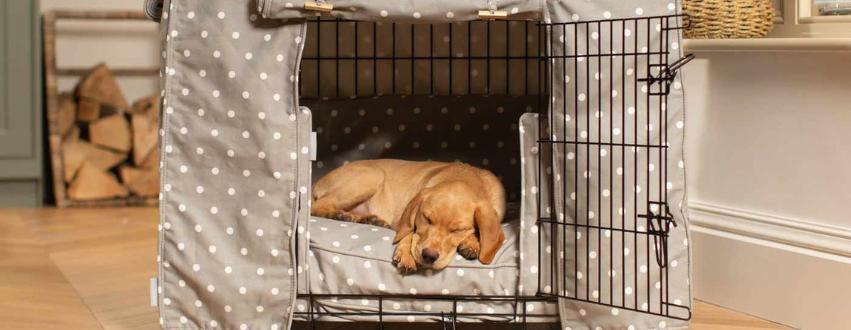
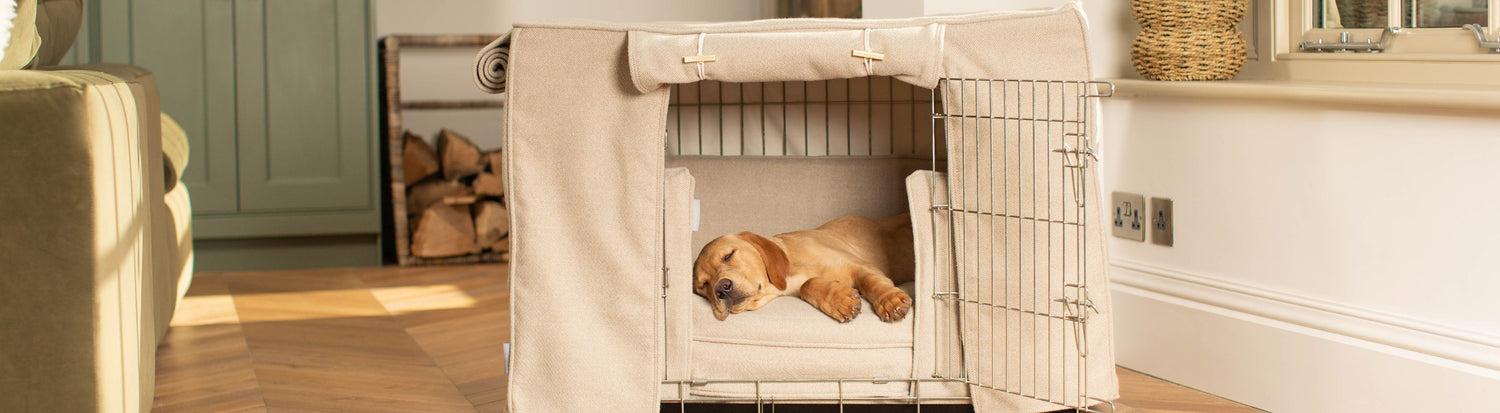
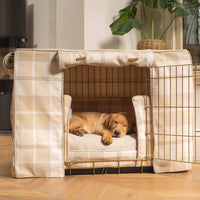
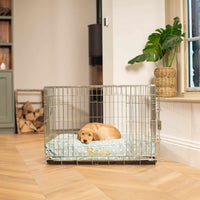
Labrador puppy asleep in a grey and white spot crate set

When you first your new puppy home, they will likely be nervous of everything. Whilst they probably came in to contact with all sorts of noises from birth, everything will seem new again when you bring them home. Crates, when used correctly, will offer your pup a calm safe space of their own. It should become their little den where they can go to relax, as well as when you need to contain them for a short time. The crate will also help get them into a routine, helping teach them when it’s time for bed.

As your puppy grows into an adult dog, the crate will become their quiet spot – somewhere for them to enjoy some quiet time and a nap… and maybe a chew on their favourite dog toy!

What NOT to use crates for: Punishment and long-term confinement. This may seem obvious, but crates should never be used as a form of punishment. Rather, they should be seen as a safe space that they can retreat to when they want to relax and get away from the rest of the household. Then if you do need to close your puppy inside for a short time, they will feel relaxed and probably just go to sleep! The last thing you want is for your pup to be nervous of the crate which could lead to destructive behaviour due to stress.     


Different Kinds Of Crate

Dog crates fall into three main categories; Metal crates, wooden crates and travel crates.

Metal Crates  

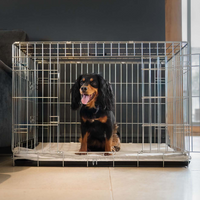
Discover the perfect deluxe heavy duty silver dog crate, featuring two doors for easy access and a removable tray for easy cleaning! The ideal choice to keep new puppies safe, made using pet safe galvanised steel! Available now in 3 sizes at Lords & Labradors

Lords & Labradors

Sliding Door Dog Crate in Grey by Lords & Labradors

The most popular type of crate as they are less expensive than wooden crates and can easily be folded flat for practical storage when not in use. Some may not like the look of the somewhat cage-like metal crates, but when teamed with a fabric cover and bedding set, they become a really cosy den for your dog. We have both traditional metal crates and our new sliding door crate which is perfect for saving space.

Wooden Crates

Wooden Sliding Door Salcombe Dog Crate by Lords & Labradors

Lords & Labradors

Wooden Sliding Door Salcombe Dog Crate by Lords & Labradors


For those looking for something more substantial, our wooden crates are perfect. They are great if you’re looking for a dual-purpose piece of furniture as they suit a range of interior décor styles and make lovely end tables.


Travel Crate 

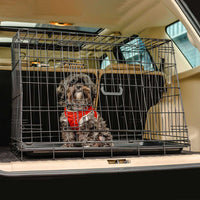
Travel safety is of utmost importance and restraining your dog when travelling in the car is now a legal requirement. A travel crate is a really practical option for most people as they sit simply in the boot and can fold flat when not in use. They are also needed for travel by sea and air – again, another reason to train your pup in a crate whilst young.


How To Find The Perfect Size Dog Crate

Are you wondering what size dog crate to get? We always suggest choosing a big enough crate for your puppy to grow into as an adult dog. This means you won’t have the expense of upgrading to a larger size later on and your dog won’t have to part with the den that has been their favourite private place for as long as they can remember! When they are fully grown, they should have plenty of head room in the crate - about 3-4” of space, as well as be able to move and turn around freely. The worst thing would be for your dog to be cramped inside.
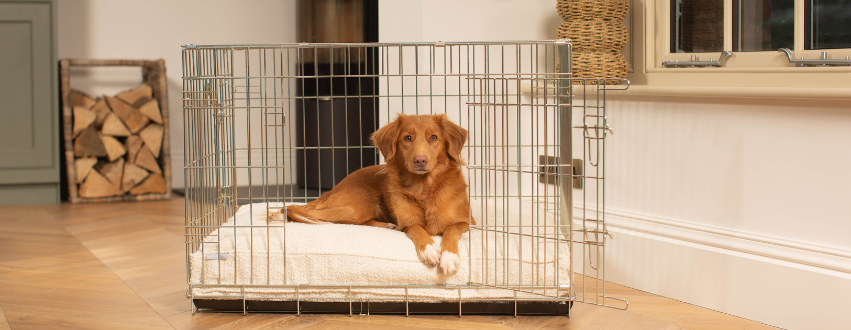
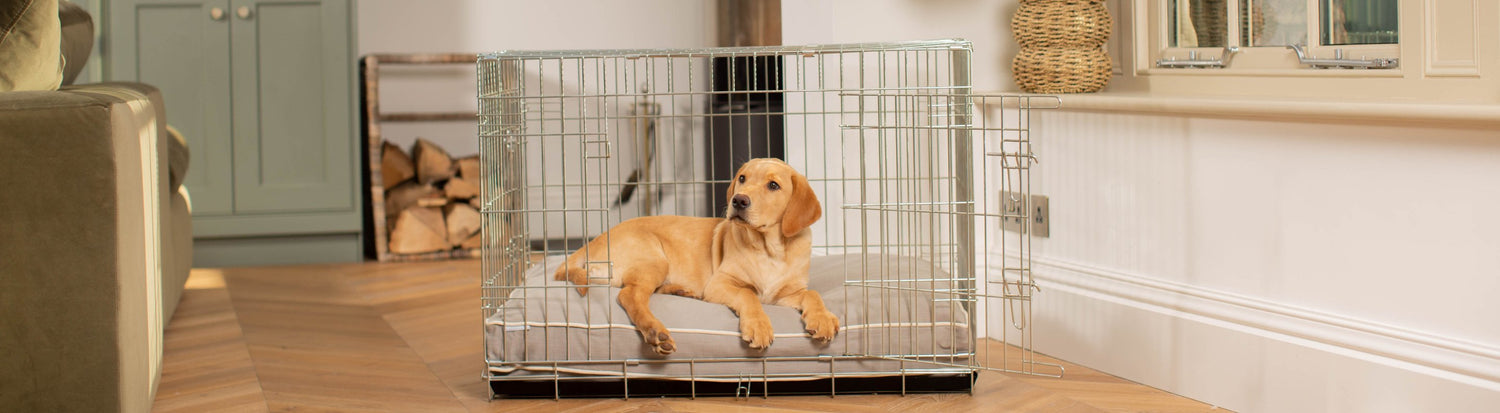
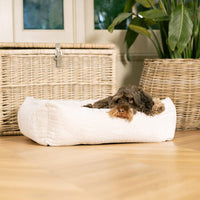
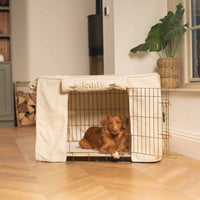
Nova Scotia Duck Tolling Retriver sat in a dog crate with a white dog cushion

Dog crates come in a number of different sizes, the most common being 24”, 30”, 36”, 42” and 48” in length. Different brands may vary slightly, but most will offer these most common size options.

These are our size recommendations for each size of crate*:

24" Crate (S)
Chihuahua, Jack Russell, Shih Tzu, Yorkshire Terrier and similar breeds
30" Crate (M)
Westie, Beagle, Standard and Miniature Dachshunds, French Bulldog, Border Terrier and similar
36" Crate (L)  Cockapoo, Springer Spaniel, Bulldog and similar breeds
42" Crate (XL)
Labrador, Dalmatian, Labradoodle, English Bull Terrier and similar breeds
48" Crate (XXL)
Golden Retrievers, Greyhounds, Bernese Mountain Dogs and similar breeds


*These are our general breed size recommendations. When selecting your crate speak to your breeder to find out what crate size they think will be most suitable. Not every dog of a particular breed is the same size. You might have or be expecting a particularly large Frenchie or a very dainty Cockapoo – use our recommendations as a guide and use this with your breeder’s knowledge of the litter for a more accurate size recommendation.


How To Make A Dog Crate More Comfortable

Crates in their purest form are not the most enticing looking things. One of the first things you will want to do is make the dog crate look inviting. When your puppy is young, you’ll probably add a cosy puppy bed and a blanket as well as a cover to help make it feel more private and comfortable. As your pup grows up a full-size crate cushion is the ideal choice.
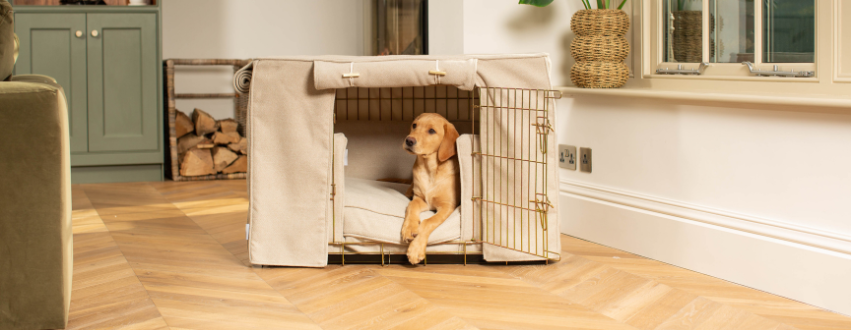
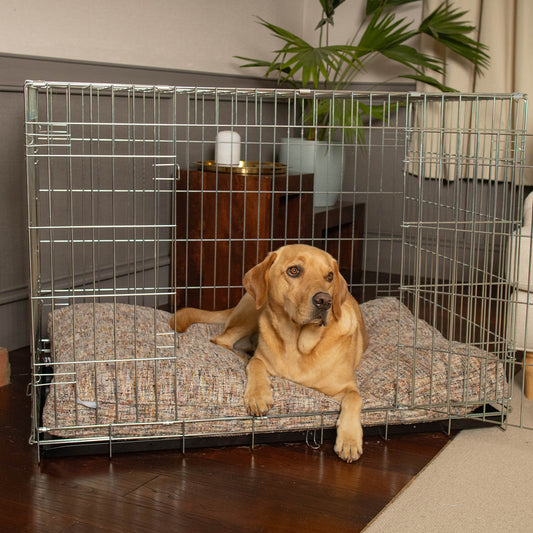
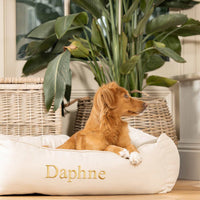
Golden Labrador in a herringbone tweed crate set

Our own brand crate bedding has been designed to make your dog’s crate the most comfortable den ever. We make cushions, bumpers and covers in a whole variety of fabrics to suit every taste.

Cushions – Our crate cushions are deeply filled with hollow fibre filling to ensure supreme comfort. The handmade covers are detachable and washable making them super practical. There is also a removable waterproof liner so accidents won’t permeate the inner cushion.

Bumpers – Our bumpers have been designed to create a cosy wall of softness to the inside of your dog’s crate. Sitting around the edge of the cushion, they are perfect for dogs and puppies who like to snuggle up in the corner of their crate. They also look beautiful too!

Covers – Our crate covers are practical and stylish. Our crate covers are handmade in our workshop and turn your bare, draughty crate into a beautiful pet den. They come in a range of fabric choices and feature roll-up doors to help get your pup in their bedtime routine.


How To Make The Perfect Puppy Crate

The crate set-up will be slightly different for a puppy to the crate set-up for an adult dog. If you buy a size suitable for your pup as an adult as we recommend, we’d then suggest the following items to use inside:
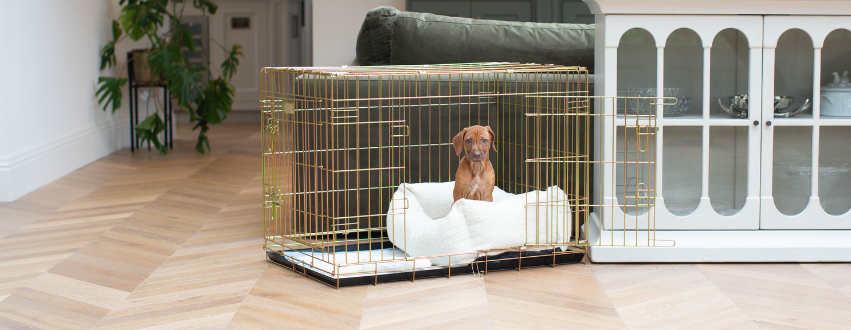
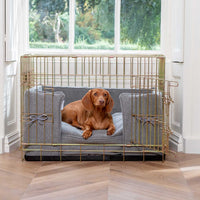
Ridgeback puppy in a gold dog crate in a white dog bed

Our preferred layout is to pop a piece of Vetbed on the base of the crate then a puppy bed on top in one half; then pop a puppy pad in the other half. Your puppy won’t be able to hold themselves in the first couple of weeks that they’re home so a puppy pad will ensure accidents are easily cleaned. Remember to add in a bowl for water for when your pup is closed inside and a chew toy to help prevent them from nibbling their bed!

When your puppy grows and is fully toilet trained you can swap out the puppy essentials for a full crate set; a cushion, bumper and cover. Our crate sets offer optimum den comfort whilst looking super stylish too! Explore our crate bedding range.

Related Products

Related Collections

Luxury Dog Crate Sets

Our luxury dog crate sets provide the ultimate snooze haven for your... 

Dog Crates

Lords & Labradors’ range of luxury dog crates has a fantastic selection... 

Next Article
How To Clicker Train A Puppy

Related Articles

  • Why Do Cats Purr?
    04.08.25 August 04, 2025 FAQs

    Why Do Cats Purr?

    Have you ever found yourself relaxing on the sofa with your furry companion curled up beside you, softly vibrating with that unmistakable cat purring sound? Whether it's a gentle hum while they snooze or a loud, contented rumble when they're being stroked, cats and purring go hand in hand. But have you ever wondered—why do cats purr? Let’s dive into the world of feline communication to uncover the mystery behind this soothing sound. The Science Behind the Purr Sound A purr sound is produced by a cat’s laryngeal muscles, which twitch at a rapid rate—around 25 to 150 vibrations per second. This movement causes a separation of the vocal cords, producing the familiar rhythmic hum we all adore. Interestingly, the sound is created both when a cat inhales and exhales, making it a continuous, comforting presence. Why Do Cats Purr? The Many Meanings of This Feline Sound Cats purr for a variety of reasons, and while it’s commonly associated with contentment, the truth is that it serves multiple purposes. Let’s explore some of the key reasons: 1. Contentment and Relaxation The most well-known reason for cat purring in sleep or during petting sessions is sheer happiness. When a cat is comfortable, feeling safe, and loved, purring serves as a signal of satisfaction. If your feline friend is snuggled up in their favourite spot, enjoying some downtime, their purring is likely a sign of total relaxation. 2. Communication with Their Humans Cats use their purrs to communicate with us. Have you ever noticed that your cat’s purr sounds slightly different when they’re hungry? Studies suggest that some cats produce a more urgent purr, sometimes mixed with a soft meow, to grab your attention when it’s mealtime. 3. Self-Soothing and Healing One fascinating aspect of cats and purring is its potential health benefits. Purring has been linked to self-soothing, helping cats calm themselves in stressful situations. What’s more, the frequency of a cat’s purr is believed to have healing properties, aiding in bone growth and tissue repair. This explains why cats might purr when they are injured or feeling unwell. 4. Bonding with Kittens If you’ve ever heard kitten purring, you’ll know that it’s one of the sweetest sounds. From the moment they are born, kittens purr to bond with their mothers. This purring reassures their mother that they are safe and content, while also helping them stay close during nursing. 5. Stress and Anxiety Relief Surprisingly, cats might purr when they are stressed or anxious. If your cat is in an unfamiliar environment or feeling uneasy, purring can act as a coping mechanism, helping to reduce their stress levels. 6. Seeking Attention If your cat starts purring the moment you walk through the door, they’re likely seeking your attention. Whether they want food, playtime, or simply some affection, purring is a feline’s way of saying, "Notice me!" Kitten Purring Meaning: What to Expect from Your Young Cat If you’re the proud owner of a young feline, you might be curious about kitten purring meaning. Kittens begin purring at just a few days old, often as a way to bond with their mother. As they grow, their purring may develop into a way to express contentment, seek comfort, or even indicate when they’re feeling playful. Kittens often purr when being stroked, feeling full after a meal, or settling down for a nap. It’s their way of showing they feel safe and secure in their environment. Why Does My Cat Purr in Their Sleep? You might have noticed your feline producing a cat purring sound while they’re fast asleep. This typically indicates deep relaxation and a feeling of security. However, just like humans talk in their sleep, cats may purr due to dreams or subconscious processing of their day’s experiences. If your cat purrs loudly while sleeping, it’s likely they’re in a particularly deep and peaceful state. Some experts also believe that purring during sleep might help with muscle relaxation and recovery. How to Encourage a Happy Purring Cat If you love the sound of your cat’s purr, there are a few ways to encourage it: Create a safe environment: Provide cosy spots, such as a plush cat bed or a cat tree, where your feline can feel secure. Offer gentle affection: Many cats enjoy head rubs, chin scratches, and soft petting, which can trigger contented purring. Provide tasty treats: A happy cat is often a purring cat, and rewarding them with delicious treats can encourage more of those lovely vibrations. Interactive play: Engaging your cat with toys and games helps build their confidence and deepen your bond. Conclusion Cats and purring go together like peanut butter and jelly. While purring is often a sign of happiness, it can also serve a variety of other purposes, from communication to self-soothing and healing. Whether you’re listening to the gentle hum of kitten purring or the steady rhythm of your senior cat’s purr, understanding their sounds helps you build a stronger bond with your furry companion. If you want to create the perfect environment for your cat to relax and purr away, be sure to check out Lords & Labradors' range of luxurious cat essentials, including plush beds, cat trees, and tasty treats. So, next time your feline friend starts their soothing hum, you’ll know they’re communicating with you in the most delightful way!

    By Megan Willis

    Read more
  • Do Puppies Get the Terrible Twos?

    17.06.25 June 17, 2025 FAQs

    Do Puppies Get the Terrible Twos?


    If you’ve ever heard the phrase “terrible twos,” you’ll know it often refers to that stage in a toddler’s life when they’re full of mischief, testing boundaries, and prone to the occasional tantrum. But does this apply to our furry friends too? The short answer: yes and no. While puppies don’t technically reach the “terrible twos” in the same sense as human toddlers, they do go through phases—particularly around six months to adolescence—where “challenging” puppy behaviour can rear its head. In this blog, our Pet Experts explore why your puppy may seem to have entered a rebellious stage, how to tackle common issues like how to stop puppy biting, and why consistency, patience, and the right products from Lords & Labradors can make all the difference. The ‘Terrible Twos’ in Puppy Terms When people talk about “puppy terrible twos,” they’re usually describing an adolescent phase where your pup’s confidence grows, and they become more curious and—let’s face it—a bit cheeky. This phase often begins around the six-month mark and can last until they’re about one to two years old. During this time, you may notice: Excessive chewing or biting, sometimes due to teething or boredom. Aggressive behaviour in puppies, which could be playful nipping turning more forceful, or resource guarding. Increased energy levels, leading to more excitement or boisterous play. Selective hearing, where once well-trained commands suddenly seem forgotten. I remember my own pup, Richmond, suddenly deciding at seven months that the sofa cushions were his favourite chew toy—despite weeks of perfect behaviour beforehand! It felt like an overnight change, but in reality, Richmond was just testing his boundaries. Why the Change Happens Hormones & Maturity: As puppies grow, their hormones kick in. This can lead to heightened energy, exploratory behaviour, and sometimes even territorial displays. Teething & Discomfort: Around six months, many puppies experience the final stages of teething, which can result in chewing or nipping as they try to alleviate gum pain. Social Development: Puppies start to understand pack hierarchy. They may push boundaries to see what they can get away with—much like a human teenager challenging curfews. 6 Month Puppy Behaviour: What to Expect By the time your puppy reaches six months old, you might notice some common changes: Testing Limits: They may ignore cues like “sit” or “stay,” even though they seemed to have them mastered at 12 weeks. Exploratory Chewing: This can manifest in chewing furniture, shoes, or anything within reach—especially if they’re bored. Heightened Play Biting: Playful nips can become a bit stronger, raising questions about how to stop puppy biting effectively. While these changes can be frustrating, remember that they’re normal developmental stages. Your puppy isn’t being “bad” on purpose; they’re simply growing up and learning. Tips on Managing “Terrible Twos” Behaviour 1. Consistent Training Reinforce basic commands daily—“sit,” “stay,” “down”—and ensure everyone in your household is on the same page. Mixed messages can confuse your puppy, leading to inconsistent behaviour. 2. Positive Reinforcement Reward the behaviours you want to see. Treats, praise, or even a quick play session with a favourite toy can reinforce good manners. Avoid punishment-based training, as it can lead to fear or aggressive behaviour in puppies. Make sure you have plenty of puppy training treats to hand so you can reward any positive behaviour! 3. Mental Stimulation One of the best ways to curb unwanted puppy terrible twos behaviour is to keep their minds occupied. Puzzle toys, interactive feeders, and regular training sessions help burn mental energy and reduce boredom-related mischief. We love the Nina Ottosson interactive dog toys, they’re perfect for keeping growing pup’s minds stimulated 4. Physical Exercise A tired puppy is often a well-behaved puppy. Regular walks, play sessions, and even safe puppy agility can help release pent-up energy. Remember not to overdo it, especially with large-breed puppies whose joints are still developing. 5. Appropriate Chew Toys Provide safe and durable chew toys to satisfy their natural urge to chew—especially helpful for teething. We have a range of teething toys and accessories designed to soothe sore gums and redirect chewing behaviour away from your household items. The KONG puppy range is especially great for teething puppies as it is specially formulated to be strong and durable against them shark teeth. How to Stop Puppy Biting Puppy biting is one of the most common complaints during the “terrible twos.” Here’s how you can tackle it: Redirect: If your puppy nips at your hands or feet, immediately offer a chew toy. This teaches them what’s acceptable to bite—and what isn’t. Positive Corrections: A gentle “ouch” or yelp can mimic how puppies let each other know a play bite is too hard. Then, stop interaction momentarily to show that biting ends the fun. Reward Calm Behaviour: The moment your puppy licks or plays gently, reward them with praise or a small treat. Reinforcing the behaviour you want is key. Use Training Aids: There are helpful aids such as bitter sprays that deter chewing on furniture and certain toys. We love the Simple Solutions Chew Stopper, the unpleasant taste of the spray makes your puppy associate whatever they’re chewing with that taste so they won’t want to chew it anymore.  Managing Aggressive Behaviour in Puppies Although true aggression in puppies is relatively rare, certain behaviours may appear aggressive—like growling or snapping. Often, these are signs of fear, over-excitement, or resource guarding. Consider the following: Seek Professional Advice: If you’re concerned about genuinely aggressive behaviour in puppies, consult a qualified dog trainer or vet. They can identify underlying causes and offer tailored solutions. Early Socialisation: Make sure your puppy experiences various environments, people, and gentle dogs to reduce fear-based reactions later. Identify Triggers: Does your puppy growl over their food bowl or toys? Start by teaching them that hands near the bowl or toy mean treats, not threats. Lords & Labradors Puppy Essentials At Lords & Labradors, we understand how exciting—and sometimes overwhelming—puppy parenthood can be. That’s why we offer a dedicated Puppy Homepage filled with everything you need for your new furry family member including: Teething Toys: Specially designed to soothe sore gums and reduce the urge to bite. Training Essentials: From clickers and treat pouches to puppy-safe crate bedding. Calming Aids: Products that help soothe anxious pups or those struggling with new experiences. For more tips from our team of pet experts, head to our Puppy Section on our Information Hub. You’ll find plenty of informative blog posts on how to navigate each stage of puppyhood. Frequently Asked Questions When does puppy “terrible twos” typically start? It can begin as early as six months and continue until about a year or two, depending on the breed and individual temperament. How do I deal with constant nipping? Consistency is key. Offer a chew toy when your puppy attempts to nip, and calmly end the play session if they don’t stop. Praise them as soon as they lick or chew appropriately. Will my puppy’s sudden rebellious streak pass on its own? With consistent training and patience, most challenging puppy behaviour eases as they mature. However, reinforcing good habits is essential to ensure they become a well-behaved adult dog. What if my puppy shows signs of aggression towards people or other dogs? True aggression in puppies can stem from fear or a lack of socialisation. Seek help from a vet or qualified trainer to identify triggers and work on a behaviour modification plan. How much exercise does a six-month-old puppy need? This varies by breed, but generally, two short walks a day plus some playtime are recommended. Always monitor for signs of fatigue, as young joints are still developing. Final Thoughts The puppy terrible twos can be challenging, but they’re also a natural—and often short-lived—part of growing up. Understanding 6-month puppy behaviour, knowing how to stop puppy biting, and addressing potential aggressive behaviour in puppies all come down to patience, consistent positive reinforcement, and the right tools. By investing in quality teething toys, training essentials, and exploring professional advice when needed, you’ll guide your pup through these tumultuous months into a confident, well-behaved adult. Feeling ready to tackle puppyhood head-on? Don’t forget to browse our Puppy Emporium, which is full of the essentials you need to transform the "terrible twos". With the right balance of love, structure, and patience, you’ll transform those “terrible twos” into terrific memories in no time!
    By Megan Willis

    Read more
  • Puppy Teething Symptoms
    29.06.26 June 29, 2026 Getting A Puppy

    Puppy Teething Symptoms

    Sore gums, mystery teeth marks on the furniture, a puppy who seems a little off but you can’t quite put your finger on why — puppy teething symptoms have a way of creeping up before you’ve even thought to look for them. In this guide, we’ll walk you through what’s actually happening inside your puppy’s mouth, what the teething timeline looks like, and how to tell normal discomfort from something worth a vet call. You’ll also find some genuinely simple ways to soothe sore gums at home and keep the chewing pointed in the right direction. What puppy teething symptoms look like in everyday life Most puppy parents notice something is off before they even think to connect it to teething. The shoes have mysteriously acquired teeth marks, your puppy is mouthing your hands more than usual, and they seem a little out of sorts in general. Sound familiar? Once you know what to look for, the whole picture starts to make sense. The most obvious sign is a sudden surge in chewing. Everything becomes fair game: furniture corners, skirting boards, your favourite jumper. Alongside this, you might notice your puppy dribbling more than usual or pawing at their mouth. If you gently lift their lip, look for gums that appear a little red or puffy, especially around the spots where new teeth are starting to push through. Nipping tends to increase too, and it can feel more frantic than playful. This is not your puppy being difficult or defiant. Their gums are genuinely uncomfortable, and chewing brings relief. Giving them appropriate things to gnaw on, like textured puppy toys designed with teething in mind, makes a real difference at this stage. A fussier mood is also completely normal. Some puppies go off their food for a day or two, sleep more restlessly, or simply seem a little flat compared to their usual bouncy selves. It will pass. Spotting these puppy teething signs for what they actually are helps you respond with patience rather than frustration. That is better for your puppy, and honestly, better for you too. When puppy teething starts and when it usually ends Puppy teething symptoms can feel like they’ve come out of nowhere, but the process actually begins earlier than most people realise. Baby teeth start pushing through from around 3 to 8 weeks of age, and by 12 to 16 weeks, adult teeth begin replacing them. The whole stage typically wraps up by around 6 to 7 months, so as relentless as it feels right now, it really is temporary. Here’s how the puppy teething timeline usually unfolds: 0 to 3 weeks — Puppies are born without teeth. Gums are soft, and there’s no discomfort yet. 3 to 8 weeks — Baby teeth (also called milk teeth) begin coming through. Most puppies have their full set of 28 by around 8 weeks. 12 to 16 weeks — Adult teeth start pushing through. This is when puppy teething signs tend to become most noticeable, with chewing and drooling ramping up noticeably. 4 to 6 months — Adult teeth continue replacing baby teeth. Don’t be surprised if you find a tiny tooth on the kitchen floor. 6 to 7 months — The full set of 42 adult teeth is usually in place. Worth knowing: Most puppies have all 42 adult teeth by 6 to 7 months. That’s the finish line, and it will arrive. How long puppies teethe and how intensely they feel it does vary. Larger breeds sometimes experience more pronounced discomfort, and some puppies are just more sensitive than others. If your pup seems particularly restless or chew-obsessed, that’s usually why. Getting the right supplies together early makes the whole stage far more manageable. Lords & Labradors’ puppy collection is a great starting point if you’re building your teething toolkit. Why teething makes puppies chew, bite, and act out If your puppy seems to be chewing everything in sight, nipping at your hands, or waking you up at odd hours, take a breath — this is not a sign that you’ve got a troublesome pup on your hands. These are classic puppy teething symptoms, and they’re almost always your puppy’s way of telling you their mouth is uncomfortable. During teething, the gums become inflamed as adult teeth push through the tissue. That pressure and sensitivity is genuinely uncomfortable, and chewing provides just enough counter-pressure to bring some relief. Think of it like a human baby reaching for anything they can gnaw on. Your puppy isn’t acting out — they’re coping. The most common behavioural signs linked to teething discomfort include: Chewing furniture, skirting boards, and shoes — anything firm that creates that satisfying counter-pressure Destroying bedding or soft furnishings, which tends to ramp up at night when there’s nothing else to redirect their attention to Mouthing or grabbing hands during play, often more persistently than usual Eating more slowly or briefly going off food because chewing feels sore Drooling more than normal, thanks to increased saliva production during teething Seeming restless or unsettled at bedtime, especially during the most intense teething weeks All of this is temporary. Once you understand it’s physical discomfort driving the behaviour rather than wilfulness, it becomes a lot easier to respond with patience and redirect your puppy calmly. How to soothe sore gums at home Once you’ve started recognising the puppy teething symptoms your pup is showing, the focus naturally shifts from spotting the signs to actually making them feel better. The good news? There’s plenty you can do at home, and most of it is simple. Offer puppy-safe chew toys designed with teething in mind. Softer rubber or nylon options give sore gums something satisfying to work on without causing damage. It’s worth having a few different styles on the go — browse puppy-safe chew toys to find options suited to your pup’s size and chew strength. Try a briefly chilled damp flannel. Wet a cloth, pop it in the fridge for 20 minutes, then let your puppy gnaw on it. The gentle coolness soothes inflamed gums without the risks that come with frozen items. Rotate toys regularly. Puppies lose interest quickly, so swapping things out every day or two keeps chewing directed at the right targets rather than your skirting boards. Stay nearby during chewing sessions. Supervising means you can calmly redirect your pup the moment they switch from their toy to your favourite chair leg — and they will try. Redirect rather than just remove. When your puppy goes for something off-limits, swap it straight away with an appropriate toy. A firm “no” on its own rarely gets the message across at this age. What to avoid: Hard bones or antlers, which can crack sensitive puppy teeth Frozen solid items like ice cubes, which are too harsh on sore gums Small objects that could become a choking hazard Human teething gels, particularly anything containing xylitol, which is toxic to dogs With the right puppy teething remedies to hand and a little consistency, this phase is genuinely manageable — for your puppy and for your home. When puppy teething symptoms need a vet check Most puppy teething symptoms are completely normal, and the vast majority of what you’ll see at home doesn’t need anything more than patience and a good chew toy. A little blood on a toy? Perfectly expected. The odd wobbly or missing tooth? All part of it. Mild drooling, pink-tinged gums, and a puppy who’s grumpier than usual during peak teething weeks are nothing to panic about. That said, a few signs are worth watching more closely: Gums that look very swollen, deeply red, or are bleeding heavily and not settling A baby tooth that hasn’t fallen out after the adult tooth has already come through Persistent refusal to eat, even soft or wet food Breath that smells genuinely foul — not just normal puppy breath, but sharp or rotten Lethargy, a fever, or anything else that makes your puppy seem off in a general way If one of these pops up, give it a day and see whether things settle. If they don’t, trust your gut and call your vet. You know your puppy better than anyone. For everything else, the right support and a few good chews will carry you both through. Just getting started with a new pup? Our guide to bringing a puppy home covers those early weeks brilliantly.

    By Adele Busby

    Read more
  • Why Do Puppies Bite So Much
    24.06.26 June 24, 2026 Getting A Puppy

    Why Do Puppies Bite So Much

    If you have ever looked down at your hands after a play session and wondered why puppies bite so much, the good news is that you are dealing with one of the most normal things a puppy can do. In this article we cover the real reasons behind all that mouthing and nipping, how to teach your puppy to be gentler, and the simplest ways to redirect their energy to something more appropriate. We also help you recognise the moments when a little extra support from a vet or trainer might be worth reaching for. Why puppies bite so much in the first place If your puppy seems to bite everything and everyone in sight, you are not alone — and your puppy is not broken. Biting and mouthing are completely normal parts of early development, and once you understand why it happens, the whole thing feels a lot less stressful. The simplest way to think about it: a puppy’s mouth is their hands. Before they can explore, play, or communicate in any other way, they use their teeth. That table leg, your favourite jumper, your fingers at 7am before you’ve even had a coffee. All completely fair game as far as they’re concerned. A few things drive all that mouthing. Teething is a big one. Between roughly three and six months old, puppies are cutting new teeth, and chewing brings real relief from the discomfort. Then there’s play. Puppies learn how to interact through rough and tumble with their littermates, and they naturally bring that same energy into life with you. They’re also figuring out how hard they can actually bite, a process known as bite inhibition. When a sibling yelps and backs away, a puppy learns that biting too hard ends the fun. It’s a genuinely important life skill, and they need the chance to practise it. It’s also worth saying plainly: a puppy who bites a lot is not naughty or aggressive. They’re being a puppy, doing exactly what puppies are built to do at this stage. Understanding that is half the battle. The other half is making sure they have the right things to chew, play with, and explore from the very beginning. Teething, play, and overstimulation: the most common triggers Most owners asking why puppies bite so much will find the answer sitting in one of three places: teething discomfort, play instinct, or a puppy who has simply had too much going on. Once you know which trigger you’re dealing with, the behaviour starts to make a lot more sense. Common triggers to watch for: Evening zoomies followed by frantic nipping — an overtired puppy loses self-control fast, just like a toddler past their bedtime Mouthing during tug or fetch games — play drive kicks in and your hands become part of the fun Nibbling after a busy socialisation session — too much stimulation leaves puppies wired and struggling to settle Chewing fingers and furniture around 12 to 20 weeks — incoming adult teeth cause real discomfort, and puppies chew to relieve it Nipping when you reach down to stroke them — excitement and touch combine into a grabby, mouthy moment Biting during training sessions that run too long — concentration runs out and frustration takes over Worth knowing: Puppies start losing their baby teeth from around 12 weeks, with most adult teeth coming through between 12 and 24 weeks. This is one of the most intense periods for puppy teething, and it often explains why your puppy seems to be nipping constantly at this stage. Recognising these trigger moments is genuinely half the battle when it comes to how to stop puppy biting. The behaviour is completely normal at this age and usually peaks before gradually fading as your puppy matures. Keeping a good selection of puppy toys within easy reach means you can redirect quickly the moment you spot a trigger building — before teeth find your hands instead. How to teach bite inhibition without upsetting your puppy Bite inhibition sounds technical, but it really just means teaching your puppy that human skin is off-limits — and it is absolutely something they can learn. Understanding why puppies bite so much makes this easier, because you know it is not bad behaviour, just communication. Calm, consistent training works brilliantly here, with no raised voices or startled pups required. Stop play the moment teeth touch skin. Go completely still and quiet. Avoid pulling your hand away sharply, as that can actually make the whole thing more exciting for your puppy. Use a simple, neutral cue like “ouch” or “too much” in a calm, flat tone. You are not telling them off, just letting them know the fun has paused. Redirect to a chew toy within a few seconds. Offer it calmly and let your puppy settle into it. This gives them something appropriate to sink their teeth into. Reward gentle mouthing or soft contact with quiet praise or a small treat. You are reinforcing what you do want, not just reacting to what you do not. Keep it consistent across the whole household. Every person, every time. A quick note on consistency: Mixed signals from different family members are one of the most common reasons puppy biting stages feel like they drag on. If one person lets the puppy mouth their hands during a play session, the lesson starts to unravel. Everyone needs to follow the same approach. The goal is never punishment. It is clear, kind communication. When you understand why puppies bite, you can respond in a way that works with how they naturally learn — and that makes the whole process faster and far less stressful for everyone involved. What to do instead: redirecting to toys and setting your puppy up for success Once you understand why puppies bite so much, the solution gets a lot clearer: they need something better to sink their teeth into. Redirection is one of the most effective tools you have, and with a little consistency, it genuinely works. Swap immediately, not eventually. The moment teeth touch skin or clothing, calmly remove your hand and offer a toy instead. No drama, no delay. The swap itself is the lesson. Use cooling chews for teething relief. During a heavy teething stage, a chilled rubber chew can make a real difference. Pop it in the freezer for an hour before play and let the cold do the soothing work. Reach for the right toy. Lords & Labradors puppy toys are designed with teething puppies in mind, with textures and resistance that actually satisfy the urge to gnaw. A toy that feels good to chew is one that gets used. Keep play sessions structured. Short, calm sessions are your friend. Overstimulation turns even the gentlest puppies mouthy, so watch for the signs and wind things down before they tip over the edge. Build in calm-down breaks. If your puppy is too fired up to redirect, a quiet pause in their crate or pen gives them a chance to reset. Every redirect counts: puppies learn through repetition, so the more consistently you make the swap, the faster it sticks. Setting your puppy up for success really comes down to managing their environment and energy before biting becomes the default outlet. Keep appropriate chews within easy reach, keep play sessions manageable, and trust that small, consistent moments genuinely add up. When normal mouthing becomes a problem worth getting help for Most puppy biting is completely normal, and with consistency, it does ease off. But it’s worth pausing every now and then to ask whether something more might be going on. If your puppy’s biting still feels relentless after weeks of calm, consistent redirection, it’s worth talking to a qualified trainer. The same applies if bites are regularly hard and don’t seem connected to play, if your puppy snaps when anyone goes near their food, toys, or bed, or if their reactions feel more fearful than excited. None of that makes them a bad puppy. It just means you’d both benefit from a little extra support. Pain is worth considering too. Teething can make puppies genuinely sore and out of sorts, and some pups bite more simply because they’re uncomfortable. If your puppy seems distressed beyond the usual nipping and wriggling, a quick vet check is a sensible place to start. One of the most useful things you can do in the meantime is learn to read what your puppy is telling you before the biting even begins. Spotting the early signals makes it so much easier to respond well. Our guide to understanding your dog’s body language is a really helpful starting point. And here’s the reassuring bit: for the vast majority of puppies, the biting does pass. With patience, the right toys, and a bit of guidance, most pups grow into gentle, settled dogs who’ve figured out how to use their mouths kindly.

    By Adele Busby

    Read more

loyal customer in 17 countries

Why Shop With Us?

  • Free Delivery

    Orders over £75 qualify for free standard UK delivery. Orders under £75 will be calculated at the checkout.

  • Shopping Made Easy

    Gain exclusive access to sales and shop all your pets favourites on the go by downloading our app.

  • Designed in the UK

    Our own brand products are lovingly designed in our specialist UK workshop to our exacting standards.

  • We're Here For You

    Contact our Pet Experts on Chat or by email at sales@lordsandlabradors.co.uk