














The Great Dane Ultimate Guide: Everything You Need to Know
07.03.24 March 07, 2024 Dog Breed Guide

The Great Dane Ultimate Guide: Everything You Need to Know

Welcome to the Great Dane Ultimate Guide, where we delve into the fascinating world of this majestic and lovable giant breed. Whether you're a prospective owner, a current Great Dane enthusiast, or simply curious about these gentle giants, this comprehensive guide will provide you with valuable insights into every aspect of Great Dane ownership. Wanting to shop for best food, toys and beds for your Great Dane? Why not look at our Great Dane shop, we've curated our top picks for your Great Dane especially for you. Great Dane Facts and Information Let's start with some basic facts about the Great Dane breed. Known for their imposing size and graceful demeanour, Great Danes are truly remarkable dogs. Originally bred in Germany to hunt wild boar, today they are cherished companions and family pets around the world. Great Dane Personality and Traits One of the most striking characteristics of the Great Dane is its gentle and affectionate nature. Despite their imposing size, Great Danes are known for their friendly disposition and love for human companionship. They are often referred to as "gentle giants" due to their calm and patient demeanour, making them excellent family pets. Great Danes are also incredibly loyal and protective, making them wonderful watchdogs. While they may appear imposing to strangers, Great Danes are typically friendly and welcoming to those they know. However, proper socialisation from an early age is crucial to ensure they are well-adjusted and confident around people and other animals. Great Dane Health Issues Like all breeds, Great Danes are susceptible to certain health issues. Due to their large size, they are prone to conditions such as hip dysplasia, bloat, and heart problems. It's essential for Great Dane owners to be aware of these potential health concerns and to work closely with their veterinarian to ensure their dog's well-being. Regular vet check-ups, a nutritious diet, and moderate exercise can help mitigate the risk of certain health issues. Additionally, it's important to provide proper joint support, especially as Great Danes age, to maintain their mobility and overall quality of life. Raising a Great Dane Raising a Great Dane requires careful consideration and dedication. From puppyhood to adulthood, providing a loving and nurturing environment is key to raising a well-adjusted and happy Great Dane. Great Dane Training Training is an essential aspect of Great Dane ownership. Despite their gentle nature, Great Danes are powerful dogs that require consistent and firm leadership. Early obedience training and socialisation are crucial to ensure they develop good manners and behaviour. From basic commands to more advanced obedience training, consistency and positive reinforcement techniques work best with Great Danes. Patience and understanding are key, as these intelligent dogs respond well to praise and rewards. Great Dane House Training House training a Great Dane can be challenging due to their size, but with patience and consistency, it can be accomplished. Establishing a routine, providing frequent opportunities for outdoor bathroom breaks, and rewarding good behaviour are essential for successful house training. Investing in a sturdy and spacious crate can also aid in house training, as it provides a safe and comfortable space for your Great Dane when unsupervised. Remember to be patient and consistent, and your Great Dane will eventually learn appropriate bathroom habits. How Much Exercise Does a Great Dane Need? Despite their large size, Great Danes have relatively low exercise requirements compared to smaller, more active breeds. However, they still benefit from daily walks and moderate exercise to maintain their overall health and well-being. Aim for at least two moderate walks per day, along with plenty of opportunities for play and mental stimulation. Avoid strenuous exercise, especially during hot weather, as Great Danes are prone to overheating due to their size and coat colour. Best Walking Accessories for a Great Dane When it comes to walking accessories for your Great Dane, opt for sturdy and comfortable gear that can withstand their size and strength. We recommend investing quality materials such as leather for your Great Dane, leather is durable and sturdy so makes a great option. Our Italian padded leather walking collection is perfect for your Great Dane, the padding on the collar makes it comfortable on their neck and the leather is real Italian leather so you can be sure it’s of the best quality. The collection comes in four stylish colour ways, shop now. Great Dane Dietary Needs Proper nutrition is essential for maintaining your Great Dane's health and vitality. As a large and fast-growing breed, Great Danes have unique dietary requirements that should be carefully considered. Best Food for a Great Dane Puppy During the puppy stage, it's crucial to feed your Great Dane a high-quality puppy food specifically formulated for large breeds. These diets are balanced to support healthy growth and development while minimising the risk of skeletal issues associated with rapid growth. Look for puppy foods that contain optimal levels of protein, fat, calcium, and phosphorus to support bone and muscle development. Avoid overfeeding and excessive supplementation, as this can contribute to skeletal problems and obesity in Great Dane puppies. We recommend a combination of both wet and dry food to feed your Great Dane puppy. For dry food we love the Acana large breed puppy food, it has 70% quality animal ingredients so it’s super protein rich which will help support your Great Dane puppies rapid growth. It also has no artificial preservatives, flavours or colours so you can be sure you are feeding your puppy the best. For wet food we recommend the Carnilove Salmon with Blueberries puppy food, it is both grain free and potato free so is highly digestible. The salmon supports the skin, heart, brain and joints to promote healthy physical development for your pup, whilst the blueberries promote urinary health and also support brain development and function. This wet food contains 85% wild-origin meat so is protein rich which is perfect for supporting your puppies growth. Best Food for a Great Dane As your Great Dane matures, transitioning to an adult formula is recommended to meet their changing nutritional needs. Choose a premium dog food that is formulated for large breeds and contains high-quality ingredients, such as real meat, whole grains, and essential vitamins and minerals. Avoid foods with fillers, by-products, and artificial additives, as these provide little nutritional value and can contribute to digestive upset and other health issues. Consult with your veterinarian to determine the best diet plan for your Great Dane based on their age, weight, and activity level. As a starting point we recommend looking at Acana, Orijen and Carnilove foods, all three brands have protein rich foods with no additives and high nutritional values. Best Dog Food for Senior Great Dane As Great Danes age, their nutritional needs may change, requiring adjustments to their diet to support their overall health and well-being. Senior-specific formulas are available that are tailored to the needs of older dogs, including joint support, weight management, and digestive health. Look for senior dog foods that contain glucosamine, chondroitin, and omega-3 fatty acids to support joint health and mobility. Reduced calorie and fat content can help prevent obesity and maintain a healthy weight in senior Great Danes. Great Dane Bed: Orthopaedic Comfort Providing a comfortable and supportive bed is essential for your Great Dane's overall comfort and well-being. Great Danes, like many large breeds, can be prone to joint issues such as hip dysplasia and arthritis. Therefore, investing in an orthopaedic bed can provide much-needed support for their joints, especially as they age. Look for orthopaedic dog beds that feature memory foam or supportive foam padding to cushion your Great Dane's body and relieve pressure points. Opt for a bed with a removable and machine-washable cover for easy cleaning, as Great Danes can be prone to shedding and drooling. Our orthopaedic mattresses are constructed with a thick orthopaedic foam and have a removable machine washable plush cover so are the perfect choice for your Great Dane. Ensure the bed is large enough to accommodate your Great Dane's size comfortably. A bed that allows them to stretch out fully and rest their head comfortably is ideal for promoting relaxation and quality sleep. Best Toys for Great Danes When it comes to toys, Great Danes have unique needs due to their size and strength. Choosing durable and size-appropriate toys is essential to prevent accidents and ensure safe playtime for your Great Dane. Look for toys made from high-quality materials that can withstand rough play and heavy chewing. Rubber toys, such as KONG, are excellent choices for Great Danes as they are durable and can help satisfy their natural chewing instincts. Interactive toys, such as puzzle feeders or treat-dispensing toys, can provide mental stimulation and prevent boredom in Great Danes, we love the Nina Ottosson range. Additionally, soft plush toys can offer comfort and companionship during quiet moments of relaxation, for more durable plush toys look at the Gigwi duraspikes range they are designed for dogs who love to chew. In conclusion, Great Danes are truly remarkable dogs with a gentle and loving nature. By understanding their unique needs and providing proper care, training, and nutrition, you can ensure a happy and fulfilling life for your Great Dane companion. Whether you're enjoying leisurely walks together or cozying up for cuddle time, the bond you share with your Great Dane is truly special. Shop everything your Great Dane needs in our Great Dane shop here.

By Megan Willis

Read more

Welcome to the Great Dane Ultimate Guide, where we delve into the fascinating world of this majestic and lovable giant breed. Whether you're a prospective owner, a current Great Dane enthusiast, or simply curious about these gentle giants, this comprehensive guide will provide you with valuable insights into every aspect of Great Dane ownership.

Wanting to shop for best food, toys and beds for your Great Dane? Why not look at our Great Dane shop, we've curated our top picks for your Great Dane especially for you.

Great Dane Facts and Information

Let's start with some basic facts about the Great Dane breed. Known for their imposing size and graceful demeanour, Great Danes are truly remarkable dogs. Originally bred in Germany to hunt wild boar, today they are cherished companions and family pets around the world.
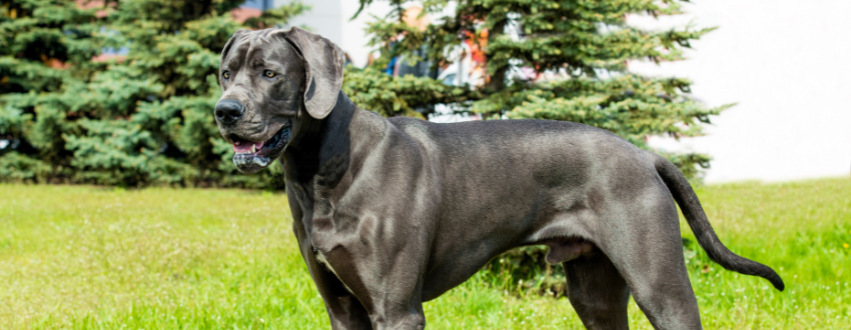
Great Dane outside

Great Dane Personality and Traits

One of the most striking characteristics of the Great Dane is its gentle and affectionate nature. Despite their imposing size, Great Danes are known for their friendly disposition and love for human companionship. They are often referred to as "gentle giants" due to their calm and patient demeanour, making them excellent family pets.

Great Danes are also incredibly loyal and protective, making them wonderful watchdogs. While they may appear imposing to strangers, Great Danes are typically friendly and welcoming to those they know. However, proper socialisation from an early age is crucial to ensure they are well-adjusted and confident around people and other animals.

Great Dane Health Issues

Like all breeds, Great Danes are susceptible to certain health issues. Due to their large size, they are prone to conditions such as hip dysplasia, bloat, and heart problems. It's essential for Great Dane owners to be aware of these potential health concerns and to work closely with their veterinarian to ensure their dog's well-being.

Regular vet check-ups, a nutritious diet, and moderate exercise can help mitigate the risk of certain health issues. Additionally, it's important to provide proper joint support, especially as Great Danes age, to maintain their mobility and overall quality of life.

Raising a Great Dane

Raising a Great Dane requires careful consideration and dedication. From puppyhood to adulthood, providing a loving and nurturing environment is key to raising a well-adjusted and happy Great Dane.

Great Dane Training

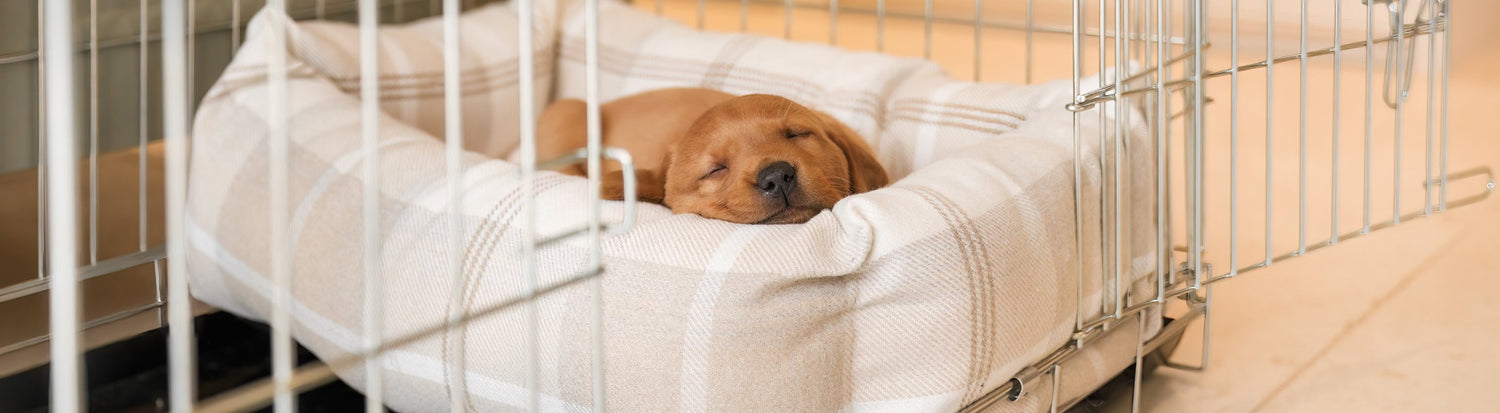
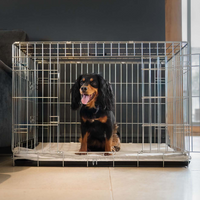
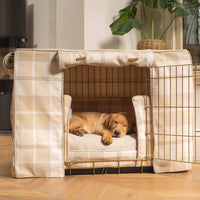
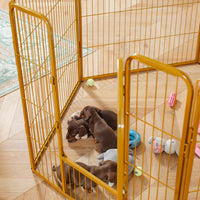
Great dane puppy sleeping in a dog crate

Training is an essential aspect of Great Dane ownership. Despite their gentle nature, Great Danes are powerful dogs that require consistent and firm leadership. Early obedience training and socialisation are crucial to ensure they develop good manners and behaviour.

From basic commands to more advanced obedience training, consistency and positive reinforcement techniques work best with Great Danes. Patience and understanding are key, as these intelligent dogs respond well to praise and rewards.

Great Dane House Training

House training a Great Dane can be challenging due to their size, but with patience and consistency, it can be accomplished. Establishing a routine, providing frequent opportunities for outdoor bathroom breaks, and rewarding good behaviour are essential for successful house training.

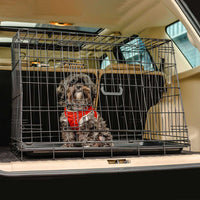
Investing in a sturdy and spacious crate can also aid in house training, as it provides a safe and comfortable space for your Great Dane when unsupervised. Remember to be patient and consistent, and your Great Dane will eventually learn appropriate bathroom habits.

How Much Exercise Does a Great Dane Need?

Despite their large size, Great Danes have relatively low exercise requirements compared to smaller, more active breeds. However, they still benefit from daily walks and moderate exercise to maintain their overall health and well-being.

Aim for at least two moderate walks per day, along with plenty of opportunities for play and mental stimulation. Avoid strenuous exercise, especially during hot weather, as Great Danes are prone to overheating due to their size and coat colour.

Best Walking Accessories for a Great Dane

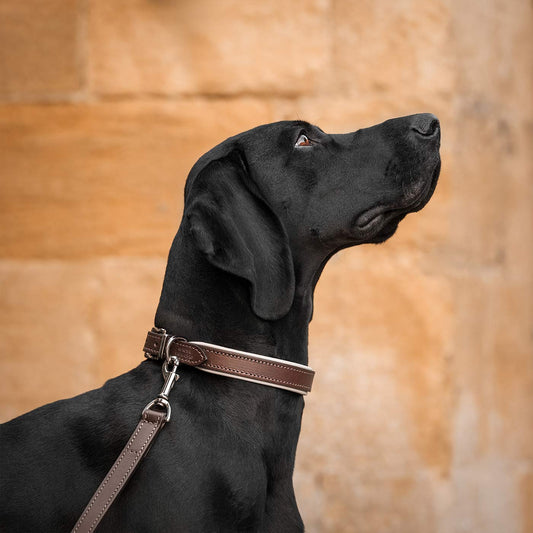
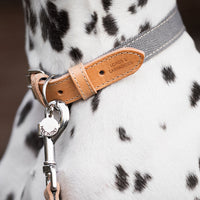
When it comes to walking accessories for your Great Dane, opt for sturdy and comfortable gear that can withstand their size and strength. We recommend investing quality materials such as leather for your Great Dane, leather is durable and sturdy so makes a great option. Our Italian padded leather walking collection is perfect for your Great Dane, the padding on the collar makes it comfortable on their neck and the leather is real Italian leather so you can be sure it’s of the best quality. The collection comes in four stylish colour ways, shop now.

Great Dane Dietary Needs

Grey great dane dog stood outside at the beach

Proper nutrition is essential for maintaining your Great Dane's health and vitality. As a large and fast-growing breed, Great Danes have unique dietary requirements that should be carefully considered.

Best Food for a Great Dane Puppy

During the puppy stage, it's crucial to feed your Great Dane a high-quality puppy food specifically formulated for large breeds. These diets are balanced to support healthy growth and development while minimising the risk of skeletal issues associated with rapid growth.

Look for puppy foods that contain optimal levels of protein, fat, calcium, and phosphorus to support bone and muscle development. Avoid overfeeding and excessive supplementation, as this can contribute to skeletal problems and obesity in Great Dane puppies.

We recommend a combination of both wet and dry food to feed your Great Dane puppy. For dry food we love the Acana large breed puppy food, it has 70% quality animal ingredients so it’s super protein rich which will help support your Great Dane puppies rapid growth. It also has no artificial preservatives, flavours or colours so you can be sure you are feeding your puppy the best. For wet food we recommend the Carnilove Salmon with Blueberries puppy food, it is both grain free and potato free so is highly digestible. The salmon supports the skin, heart, brain and joints to promote healthy physical development for your pup, whilst the blueberries promote urinary health and also support brain development and function. This wet food contains 85% wild-origin meat so is protein rich which is perfect for supporting your puppies growth.

Best Food for a Great Dane

As your Great Dane matures, transitioning to an adult formula is recommended to meet their changing nutritional needs. Choose a premium dog food that is formulated for large breeds and contains high-quality ingredients, such as real meat, whole grains, and essential vitamins and minerals.

Avoid foods with fillers, by-products, and artificial additives, as these provide little nutritional value and can contribute to digestive upset and other health issues. Consult with your veterinarian to determine the best diet plan for your Great Dane based on their age, weight, and activity level.

As a starting point we recommend looking at Acana, Orijen and Carnilove foods, all three brands have protein rich foods with no additives and high nutritional values.

Best Dog Food for Senior Great Dane

As Great Danes age, their nutritional needs may change, requiring adjustments to their diet to support their overall health and well-being. Senior-specific formulas are available that are tailored to the needs of older dogs, including joint support, weight management, and digestive health.

Look for senior dog foods that contain glucosamine, chondroitin, and omega-3 fatty acids to support joint health and mobility. Reduced calorie and fat content can help prevent obesity and maintain a healthy weight in senior Great Danes.

Great Dane Bed: Orthopaedic Comfort
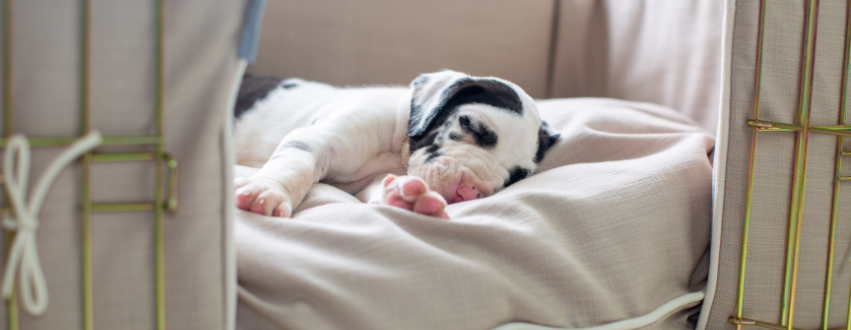
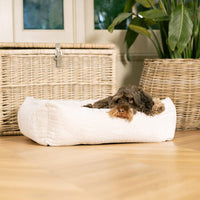
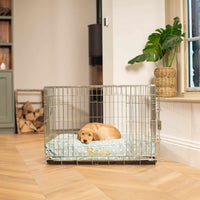
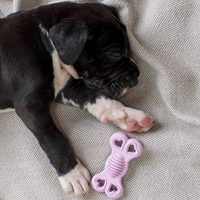
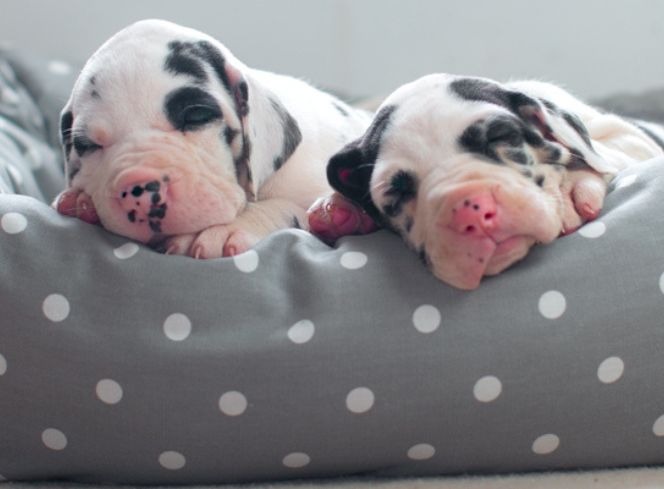
Black and white great dane puppy sleeping in a beige bed

Providing a comfortable and supportive bed is essential for your Great Dane's overall comfort and well-being. Great Danes, like many large breeds, can be prone to joint issues such as hip dysplasia and arthritis. Therefore, investing in an orthopaedic bed can provide much-needed support for their joints, especially as they age.

Look for orthopaedic dog beds that feature memory foam or supportive foam padding to cushion your Great Dane's body and relieve pressure points. Opt for a bed with a removable and machine-washable cover for easy cleaning, as Great Danes can be prone to shedding and drooling. Our orthopaedic mattresses are constructed with a thick orthopaedic foam and have a removable machine washable plush cover so are the perfect choice for your Great Dane.

Ensure the bed is large enough to accommodate your Great Dane's size comfortably. A bed that allows them to stretch out fully and rest their head comfortably is ideal for promoting relaxation and quality sleep.

Best Toys for Great Danes

When it comes to toys, Great Danes have unique needs due to their size and strength. Choosing durable and size-appropriate toys is essential to prevent accidents and ensure safe playtime for your Great Dane. Look for toys made from high-quality materials that can withstand rough play and heavy chewing. Rubber toys, such as KONG, are excellent choices for Great Danes as they are durable and can help satisfy their natural chewing instincts.

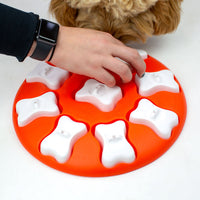
Interactive toys, such as puzzle feeders or treat-dispensing toys, can provide mental stimulation and prevent boredom in Great Danes, we love the Nina Ottosson range. Additionally, soft plush toys can offer comfort and companionship during quiet moments of relaxation, for more durable plush toys look at the Gigwi duraspikes range they are designed for dogs who love to chew.

In conclusion, Great Danes are truly remarkable dogs with a gentle and loving nature. By understanding their unique needs and providing proper care, training, and nutrition, you can ensure a happy and fulfilling life for your Great Dane companion. Whether you're enjoying leisurely walks together or cozying up for cuddle time, the bond you share with your Great Dane is truly special. Shop everything your Great Dane needs in our Great Dane shop here.

Related Products

Related Collections

Great Dane Dog Collars, Beds, & Accessories

Explore our range of dog beds, walking accessories, and personalised dog collars... 

Puppy Essentials Packs

Give your furry friend a perfect welcoming with our range of puppy... 

Next Article
Golden Doodle Ultimate Guide

Related Articles

  • How Much Exercise Does a Beagle Need
    15.05.26 May 15, 2026 Dog Breed Guide

    How Much Exercise Does a Beagle Need

    If you've ever watched your Beagle bounce around the house like a furry pinball machine, you're probably wondering exactly how much exercise does a Beagle need to channel all that energy. The answer isn't as simple as a daily walk around the block—these spirited hunting dogs require a thoughtful blend of physical activity and mental challenges that evolves throughout their lives. From puppyhood through their golden years, we'll help you create the perfect exercise routine that keeps your Beagle happy, healthy, and blissfully tired at the end of each day. Understanding Your Beagle's Exercise Needs Beagles are natural athletes with boundless curiosity, originally bred to hunt alongside humans for hours at a time. This heritage means your Beagle comes hardwired with impressive stamina and an insatiable need to explore the world through movement and scent. When you're wondering how much exercise does a beagle need, think beyond just a quick walk around the block. These spirited dogs thrive on both physical activity and mental challenges to stay balanced and content. You'll likely notice that a tired Beagle is a happy Beagle—while an under-exercised one might redecorate your living room or serenade the neighbors with their famous howl. The wonderful thing about Beagles is their adaptability. Whether you're training for a marathon or prefer gentle evening strolls, your Beagle can match your rhythm with the right routine. Their daily activity needs shift dramatically throughout their lives, from the careful pacing required for bouncy puppies to the modified activities that keep senior dogs comfortable and engaged. Getting these evolving needs right makes all the difference in creating a sustainable exercise plan that keeps your Beagle physically fit, mentally sharp, and genuinely happy. Regular exercise becomes the cornerstone of everything from healthy joints to good behavior, setting you both up for years of adventures together. Exercise Requirements by Age: Puppies, Adults, and Seniors Understanding how much exercise a Beagle needs isn't straightforward since their energy levels and capabilities change as they grow. A playful eight-week-old puppy has very different requirements from a gentle nine-year-old senior. Striking the right balance is crucial to keeping your furry friend healthy and content. Puppies (2-12 months) Beagle puppies are bundles of energy, but protecting their growing joints from overexertion is key: - Follow the "5-minute rule": Allow 5 minutes of exercise per month of age, twice daily (e.g., a 3-month-old should get 15 minutes, twice daily). - Focus on short, frequent play sessions rather than long walks. - Include games like hide-and-seek and puzzle toys. - Avoid repetitive activities such as jogging or jumping until growth plates close, around 12-18 months. - Rest is just as important as activity for healthy development. Callout: The 5-Minute Rule This helpful guideline prevents joint damage as your puppy grows. For example, a 4-month-old Beagle should get about 20 minutes of structured exercise twice daily, along with plenty of nap time. Creating proper crate training routines ensures your puppy rests adequately between active periods. Adults (1-7 years) Adult Beagles have impressive stamina and high energy levels, needing regular outlets: - Aim for 60-90 minutes of varied activity throughout the day. - Include two structured walks and additional playtime. - Mix activities like hiking, fetch, agility training, or scent work. - Embrace these years as a time for exciting adventures and new experiences together. Seniors (8+ years) Older Beagles still require exercise, but comfort becomes more important: - Scale back to 30-60 minutes of gentler daily exercise. - Opt for softer surfaces and shorter distances on walks. - Swimming offers excellent low-impact exercise for aging joints. - Watch for signs of stiffness and adjust the routine as needed. Adapting your Beagle's routine to their life stage ensures they remain healthy and happy, protecting their joints while they enjoy many years of tail-wagging adventures. Mental Stimulation: Keeping Your Beagle's Mind Active While figuring out how much exercise your beagle needs, it's easy to focus purely on walks and runs while forgetting about their mental workout requirements. Beagles were bred as hunting hounds, which means their brains crave just as much engagement as their bodies do. Without proper mental stimulation, even a well-exercised beagle can turn into a four-legged tornado of destruction—think excessive barking, crater-sized holes in your garden, or your favorite slippers becoming unrecognizable chew toys. Here are tried-and-tested ways to challenge your beagle's brilliant mind: Puzzle feeders and treat-dispensing toys that transform mealtime into an engaging brain game Scent work games like hiding treats around the house or teaching them to find specific toys by smell Snuffle mats that tap into their natural foraging instincts Hide-and-seek with family members or favorite toys throughout your home Short training sessions focusing on new tricks or polishing existing commands (keep these upbeat and brief) Toy rotation system where you swap out playthings weekly to keep things fresh and exciting Did You Know? Just 15 minutes of focused mental stimulation can tire your beagle as much as a 30-minute walk. Mental enrichment isn't an add-on to your beagle's exercise routine—it's absolutely fundamental. A mentally satisfied beagle tends to be calmer, more responsive to training, and genuinely easier to live with. Watch for those telltale signs of contentment after brain games, because understanding your dog's body language helps you recognize when they're truly fulfilled rather than just physically knackered. This insight makes determining your beagle's ideal exercise balance much more tailored to their unique personality and energy levels. Off-Lead Safety Tips for Beagle Adventures Beagles were born to follow their noses across open countryside, and off-lead adventures let them express these natural hunting instincts while burning off their abundant energy. These moments of freedom transform routine walks into the kind of beagle daily activity that truly satisfies both their physical needs and their deep-rooted desire to explore. Safety comes first when transitioning to off-lead exercise: Master recall training before going lead-free - Start indoors, then move to a securely fenced garden. Your Beagle should return immediately when called, even when distracted by the most tantalizing smells. Choose enclosed spaces initially - Fenced dog parks, tennis courts, or secure fields give your Beagle freedom while keeping them contained when their nose inevitably takes over their brain. Start with short off-lead sessions - Five minutes of freedom beats an hour of your anxiety. Build up gradually as both your confidence and their reliability improve. Watch for "scent lock" - You'll know it when you see it: nose down, ears off, completely oblivious to your existence. Be ready to intervene before they follow that fascinating trail into the sunset. Keep high-value treats handy - A pocket full of something irresistible makes you infinitely more interesting than whatever they're investigating. Remember: A rock-solid recall isn't just helpful—it's your Beagle's lifeline during off-lead adventures. During training sessions, a reliable lead like the Lords & Labradors Essentials Herdwick Dog Lead gives you confidence while practicing recall work, knowing you have secure control when needed. With proper preparation, off-lead time becomes the crown jewel of how much exercise your beagle needs, delivering the mental stimulation and physical activity that keeps them genuinely content. Incorporating Lords & Labradors Accessories into Your Routine The right gear makes every Beagle adventure more enjoyable and safe for both of you. A well-fitted harness distributes pressure evenly across your Beagle's chest—especially helpful when they catch an interesting scent and suddenly pull toward it. This gentle control lets you guide them back to your walking routine without any discomfort. Interactive toys transform ordinary walks into engaging mental workouts. I love bringing a puzzle ball filled with treats on longer walks, giving your Beagle brain-stimulating breaks between physical activity. These moments satisfy their natural foraging instincts while helping you manage your Beagle's daily activity levels throughout the day. A hands-free lead attachment can be a game-changer during those energetic morning walks when your Beagle's ready to explore everything at once. You get better balance and control while allowing the natural movement patterns that support healthy exercise habits. Our Lords & Labradors Essentials Collection includes thoughtfully designed accessories that work with your Beagle's natural energy levels and physical activity needs. The key is choosing gear that enhances your routine rather than complicating it, making those daily walks something you both genuinely look forward to.  

    By Adele Busby

    Read more
  • What to Do If Puppy Cries in Crate at Night
    03.06.26 June 03, 2026 Getting A Puppy

    What to Do If Puppy Cries in Crate at Night

    Waking up to a puppy crying in their crate at night is one of those experiences that tests even the most prepared new dog parent, but it almost always has a perfectly simple explanation. In this guide, you will find out what to do if puppy cries in crate at night, from quick bedtime checks and calming routines through to knowing when the crying might be worth a closer look. A few nights of broken sleep does not mean you are doing it wrong, and with the right approach, things tend to improve faster than you might expect. Why your puppy cries in the crate at night — and why it’s usually normal If your puppy is crying in their crate at night, the first thing to know is this: you haven’t done anything wrong, and neither has your puppy. Nighttime crying is one of the most common experiences for new puppy parents, and it almost always means your puppy is trying to tell you something — not that they’re being difficult. Think about it from their perspective. Just days ago, they were curled up with their mum and littermates, surrounded by warmth and familiar smells, never once spending a night alone. Now they’re in a new home, a new crate, a new room, with none of those comforts to anchor them. A little protest at bedtime makes complete sense. There are a handful of reasons why puppies cry in the crate at night, and understanding them makes it much easier to respond with confidence rather than panic. The most common ones are: They miss their littermates. Sleeping in a warm, wriggly pile is all they’ve ever known. That kind of closeness doesn’t disappear overnight, and the adjustment takes time. They need the toilet. Young puppies genuinely can’t hold their bladder through the night. A cry at 2am is usually a real signal, not a bid for attention. They’re cold or uncomfortable. A crate that feels too bare or exposed won’t feel like a safe haven — it’ll just feel lonely. They’re overwhelmed. The first week in a new home is a lot for a small dog to process. By the time bedtime rolls around, many puppies are emotionally wrung out and finding it hard to wind down. Once you understand what the crying is actually communicating, you can respond in a way that helps rather than guesses. If you’re still putting the building blocks of your puppy’s sleep setup together, our guide to creating the perfect puppy sleep routine is well worth a read before the lights go out. First things to check before you settle in for the night Before you rethink your whole approach to crate training, it’s worth pausing to check the basics. A surprising number of puppies crying in the crate at night are simply reacting to something small and fixable — things that are easy to miss when you’re exhausted and just want everyone to sleep. Running through this short checklist first can save you a lot of unnecessary stress. Last toilet trip of the night. Take your puppy outside for a toilet break right before they go into the crate, even if they went out an hour ago. A full bladder won’t let them settle, and the discomfort will quickly turn into crying. Crate size. The crate should feel snug and safe, not vast and exposed. Your puppy needs just enough room to stand up, turn around, and lie down comfortably. Too much space can actually make them feel less secure, not more. Room temperature. Puppies feel the cold quickly, especially once the house cools down overnight. Make sure the crate is away from draughts, and tuck in a soft, washable blanket for warmth — just avoid anything that could cause overheating. Enough wind-down time before bed. Putting a puppy straight into the crate after a play session is a bit like trying to put a toddler to bed mid-bounce. Aim for 20 to 30 minutes of calm before lights out so their energy has genuinely settled. Is your puppy actually tired? A puppy who hasn’t had enough activity or gentle mental stimulation during the day will find it hard to switch off at night. Short, age-appropriate play sessions in the evening make a real difference. If you’re still in those early days of settling in, the advice on bringing a new puppy home is a great place to start. More often than not, working through this list resolves things before you need to make any bigger changes. It’s always the right place to begin. How to build a bedtime routine that helps your puppy settle Consistency is one of the most powerful tools you have when it comes to puppy crying in the crate at night. Puppies feel safer when they can predict what’s coming next, and a calm, repeatable bedtime sequence tells their brain it’s time to switch off. Do it the same way every night and you’ll likely notice the difference sooner than you’d expect. Final toilet break 45 to 60 minutes before crating. Take your puppy outside for a proper sniff around and a chance to go. A puppy with a full bladder won’t settle, no matter how cosy the crate is. Wind down activity levels. Put the squeaky toys away at least 30 minutes before bed and switch to something calmer — a gentle chew, or a quiet cuddle on the sofa. An overtired but overstimulated puppy is a recipe for a difficult night. Set up the crate with soft, inviting bedding. A plush blanket or well-padded crate mat makes a real difference. If it’s your puppy’s first night, tuck in a worn item of your clothing so your scent is there with them. Some owners also place a ticking clock nearby, which can mimic a mother’s heartbeat. Cover the crate. Draping a breathable cover over three sides creates a den-like feel that genuinely helps puppies settle. It cuts out visual distractions and signals that the crate is for sleeping, not watching the room. One last quick toilet trip right before crating. Even a two-minute garden visit is worth it to reduce the chances of a 2am wake-up. Use a calm, consistent verbal cue. Something simple — “bedtime” or “in your bed” — repeated every night helps your puppy start connecting the word with winding down. Lights out, minimal fuss. Keep your goodnight brief and warm, then leave. Lingering makes it harder for both of you. Quick tip: A crate cover is one of the simplest things you can do when crate training a puppy at night. Reducing what your puppy can see lowers stimulation and makes the space feel genuinely enclosed and safe, much more den than cage. Repeat this every night and you give your puppy something they genuinely need: predictability. Over time, that familiar sequence helps shorten the adjustment period, reduces how long your puppy cries in the crate, and builds quiet confidence in both of you. What to do if your puppy cries after you’ve put them to bed Knowing what to do if your puppy cries in the crate at night is one of those things nobody quite prepares you for. You’re tired, your heart is a little broken, and you just want everyone to sleep. The good news is that you don’t have to choose between leaving them to it completely and rushing straight in every time. A calm, considered response is almost always the right middle ground. There are two situations genuinely worth getting up for. The first is a toilet trip — especially in the early weeks, when young puppies simply can’t hold their bladder through the night. If your puppy is under 12 weeks, or hasn’t been out recently, a quiet trip outside makes sense. The second is brief reassurance for a puppy still adjusting to sleeping alone. A soft word through the crate, or just a moment nearby, can help settle them without building a bigger habit around it. The mistake worth avoiding: going to them every single time they cry. Puppies are quick learners. If calling out reliably brings you back into the room, they’ll keep doing it — not out of stubbornness, but because it works. Even well-meaning responses can accidentally teach them that crying is the way to get your attention. You end up reinforcing the very thing you’re trying to stop. When your puppy cries, try these calm responses instead: Wait a minute or two before going in, to see if they settle on their own If you do go to them, keep your voice low and calm with no excitement or fuss Any toilet trips should be short, boring, and dimly lit Avoid eye contact, play, or picking them up unless it’s truly necessary Return them to the crate straightaway and leave without lingering Most puppies start to find their rhythm within a few nights once they learn that bedtime is quiet, consistent, and uneventful. The calmer and more predictable you can be, the sooner they’ll get there. And if you want to set the foundations before that first night even arrives, these tips for bringing a new puppy home are a brilliant place to start. When crying points to something more than a rough first night Most puppies cry in the crate at night simply because everything feels new and a little overwhelming. That’s completely normal. But part of knowing what to do if your puppy cries in the crate at night is recognising when something beyond first-night nerves might be going on. These are the signs worth paying closer attention to: Crying that gets louder or more frantic after 30 to 60 minutes, rather than gradually fading Repeated accidents in the crate despite a toilet break right before bed Frantic pacing, spinning, or determined attempts to scratch or chew their way out Refusing food, water, or treats anywhere near the crate A sudden return to distressed crying in a puppy who had previously been settling well Normal whining vs. genuine distress: what’s the difference? Normal whining tends to be intermittent, softens over several nights, and doesn’t come with any physical symptoms. Genuine distress looks different. The crying escalates instead of easing, shows little improvement after a week, and may come alongside panting, drooling, or repetitive self-soothing behaviours like circling or excessive licking. If your puppy is showing physical symptoms alongside the crying — vomiting, diarrhoea, lethargy, or anything that suggests pain or illness — contact your vet. Don’t wait to see if it passes. If the crate itself seems to be the source of real fear rather than just mild protest, a qualified trainer or behaviourist can help you work through it in a way that feels manageable. It’s also worth thinking about timing. Introducing the crate too young or too abruptly can make the whole process harder than it needs to be. If you’re unsure whether your puppy is ready, our guide on how old you should be before crate training a puppy is a helpful starting point. Catching these signs early makes a real difference — for your puppy, and for your sleep. A calmer night starts with consistency, comfort, and a bit of patience Crate training takes time, and the first few nights are almost always the hardest. But stick with a consistent bedtime routine, respond calmly when your puppy cries, and make their space feel genuinely cosy — and things really do get easier. Most puppies settle into a rhythm faster than their bleary-eyed owners expect. The small things matter more than you might think. A right-sized crate, placed somewhere warm and familiar, with soft bedding your puppy actually wants to curl into, sets the tone for the whole night. Something like the Cosy Calming Puppy Crate Bed can genuinely help here — giving your puppy a snug, den-like space to settle into rather than somewhere bare and unfamiliar. Your response matters just as much as the setup. Keeping bedtime predictable, staying consistent, and not rushing in at every whimper all help your puppy learn that the crate is safe and that you are close by. It takes repetition, but it builds real confidence over time. If you have been lying awake wondering what to do if your puppy cries in the crate at night, here is the honest answer: check the basics, build a routine, and give it time. Progress is rarely dramatic, but it is steady. One night you will realise the crying has stopped, the whimpering has faded, and everyone in the house is finally getting some sleep. Those mornings feel very well earned.

    By Adele Busby

    Read more
  • How to Set Up a Puppy Crate at Night
    18.05.26 May 18, 2026 Getting A Puppy

    How to Set Up a Puppy Crate at Night

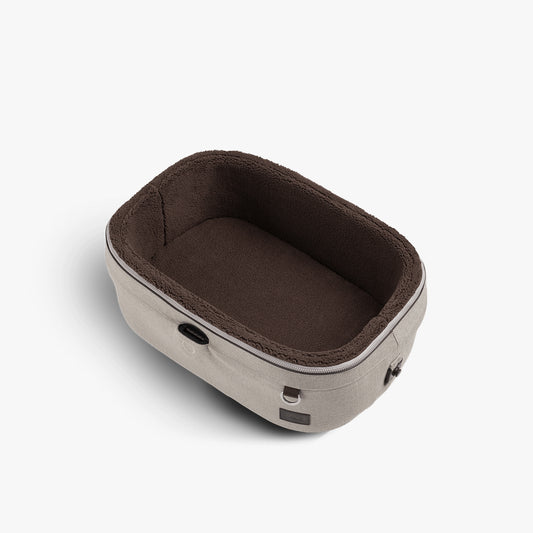
    Setting up your puppy's crate for nighttime success involves more than just placing a blanket inside and hoping for the best. From choosing the perfect location to creating a soothing bedtime routine, learning how to set up a puppy crate at night properly transforms those sleepless early weeks into peaceful nights for both you and your furry friend. We'll walk you through everything from essential comfort items to handling those inevitable midnight whimpers, so you can create a cozy sanctuary your puppy will actually love. Why a Cozy Crate is Your Puppy's Safe Haven Think of your puppy's crate as their very own bedroom retreat, a place where they can curl up and feel completely secure. Just like children find comfort in their own special spaces, puppies naturally seek out cozy dens where they feel protected from the world around them. When you learn how to set up a puppy crate at night properly, you're giving your little one that essential safe haven they instinctively crave. The magic of crate training lies in working with your puppy's natural denning instincts rather than against them. In the wild, dogs seek out small, enclosed spaces for rest and safety. Your puppy's crate becomes their modern version of this ancient comfort zone. Once they've settled into their nighttime routine, you'll often find them choosing their crate for afternoon naps even when the door stays open—a sure sign you've created something truly special. For anxious puppies especially, a well-prepared crate offers emotional security during those overwhelming first weeks in a new home. I've watched countless nervous little ones transform from trembling bundles into confident sleepers once they realize their crate means safety and peace. The secret lies in making that space genuinely inviting rather than feeling like punishment. Beyond comfort, nighttime crate training builds the foundation for house training success. Puppies naturally avoid soiling their sleeping area, so a properly sized crate encourages them to hold their bladder through gradually longer periods. This creates a genuine win for everyone involved. The beauty of crate training extends to you as well. Knowing your puppy rests safely in their cozy space means you can actually get some sleep too. No more midnight worries about chewed furniture or bathroom accidents. Instead, you both wake up refreshed and ready to tackle another day of puppyhood adventures together. Creating that perfect nighttime setup makes all the difference in building positive associations that last a lifetime. Choosing the Perfect Spot for Your Puppy's Crate Where you place your puppy's crate can make or break your nighttime routine. The perfect spot helps your furry friend feel secure and connected to the family while giving everyone the peaceful sleep you desperately need. Think of it as choosing the best bedroom in the house for your newest family member. Here are the key factors to consider when selecting your puppy's nighttime spot: Temperature control: Pick a location away from heating vents, air conditioning units, and drafty windows. Puppies can't regulate their body temperature as well as adult dogs, so consistent warmth without overheating is essential. Noise levels: Choose a spot that's quiet enough for rest but not completely isolated. A corner of your bedroom or a nearby hallway often works perfectly, letting your puppy hear your breathing without being disturbed by every creak and footstep. Proximity to family activity: Your puppy shouldn't feel banished to the basement or garage. Placing the crate within earshot of where you sleep helps reduce separation anxiety while still maintaining healthy boundaries. Easy access for nighttime potty breaks: Position the crate where you can quickly and quietly reach it for those inevitable 2 AM bathroom trips. A clear path to the door saves everyone from stumbling around in the dark. Safety from household hazards: Avoid areas near stairs, breakable items, or anything your curious puppy might try to reach through the crate bars. Temperature Tip: Keep your puppy's sleeping area between 65-75°F. Consistent temperature helps regulate their sleep cycle and prevents restless nights caused by being too hot or cold. Most pet parents find that starting with the crate in their bedroom works wonderfully for the first few weeks. Your puppy feels reassured by your presence, and you can respond quickly to any genuine needs. As your pup grows more confident, you can gradually move the crate to its permanent location if you prefer a different spot. Getting the location right sets the foundation for successful crate training and better sleep for everyone. Once you've found that sweet spot, pair it with comfortable bedding and thoughtful accessories from our crates and crate bedding collection to create a space your puppy will actually want to call home. A well-placed crate becomes your puppy's favorite retreat, never a place of punishment. Setting Up the Crate: Bedding and Comfort Essentials The right bedding and comfort items transform a bare crate into a cozy sanctuary where your puppy feels safe and secure through the night. Just like we need our favorite pillow and soft sheets for a good night's sleep, your puppy needs the right materials to settle in peacefully and develop positive associations with their crate. Here's how to set up a puppy crate at night with the perfect comfort essentials: Start with a properly sized crate mat or bed that covers most of the floor space without being too bulky. Your puppy should have enough room to stand, turn around, and lie down comfortably, but not so much space they might use one corner as a bathroom. Choose soft, washable materials that can handle frequent washing. Fleece blankets, cotton crate pads, or specially designed puppy bedding work beautifully because they're gentle on sensitive skin and easy to clean when accidents happen. Trust me, you'll appreciate this foresight at 2 AM when you're dealing with an unexpected mess. Add a comfort item with familiar scents like a small piece of your clothing or a soft toy. This helps ease separation anxiety and makes the crate feel less lonely during those first few nights. Many puppy parents find that an old t-shirt works wonders. Position a small water dish near the front of the crate if your puppy needs overnight access to water. Use a spill-proof bowl or clip-on water bottle to prevent soggy bedding disasters that'll have you changing everything in the middle of the night. Include one safe chew toy to give your puppy something appropriate to gnaw on if they wake up feeling restless. Avoid anything small enough to swallow or toys with parts that could break off. Tuck blankets snugly around the bedding to prevent bunching or tangling that might disturb your puppy's sleep. Think of it like making a proper bed—smooth surfaces help everyone rest better. Quick Tip: Washable materials are your best friend during crate training. Nighttime accidents are completely normal for young puppies, so having bedding you can easily toss in the washing machine saves you stress and keeps the crate fresh and inviting. When you nail the bedding setup, you're setting the foundation for successful nighttime crate training. The Lords & Labradors boucle cosy calming puppy crate bed set captures this approach perfectly, combining luxury comfort with practical washability to support both peaceful puppy sleep and easy maintenance for busy pet parents. To Cover or Not to Cover: Creating a Cozy Den Many puppies sleep better when their crate feels like the cozy den they instinctively seek. Think of it this way: in the wild, dogs gravitate toward enclosed spaces that offer security and calm. A crate cover can transform your puppy's sleeping area from an open cage into a peaceful retreat that blocks distractions and signals bedtime. That said, covering isn't right for every puppy. Some love the snug, cave-like feeling, while others prefer to see their surroundings. Your puppy's personality and a few safety considerations should guide your decision. Pros of Covering Cons of Covering   Reduces visual distractions and household noise Risk of overheating, especially in warm climates Creates calming den-like atmosphere Some puppies feel claustrophobic in enclosed spaces Helps anxious puppies feel more secure Can trap odors or reduce air circulation Blocks morning light for longer sleep Makes it harder to monitor your puppy's behavior Establishes clear "bedtime" signal May increase humidity inside the crate If you want to try covering your puppy's crate at night, safety comes first: Always leave at least one side partially open for ventilation Choose breathable materials like cotton or purpose-made crate covers Watch for overheating signs like excessive panting or restlessness Start with just partial coverage to see how your puppy reacts Remove the cover immediately if your puppy seems stressed Quality crate covers strike the perfect balance between cozy and practical. Look for designs with breathable fabrics that maintain airflow while creating that essential den feeling. Many feature adjustable panels and machine-washable materials that make your nighttime routine simpler. Remember, there's no one-size-fits-all approach here. If your puppy seems happier without a cover, trust their preference. The goal is helping them feel secure and comfortable, whatever that looks like for your particular pup. Handling Nighttime Whimpers: Comforting Your Puppy Those little whimpers and soft cries in the middle of the night are completely normal for new puppies adjusting to their crate. Remember, your puppy has just left their littermates and is learning to feel secure in their new space. The key to success lies in staying consistent with your approach while offering gentle comfort that doesn't reward the crying behavior. Here's how to soothe your puppy through those first challenging nights: Place a piece of your worn clothing in the crate so your scent provides comfort throughout the night. An old t-shirt works perfectly and helps your puppy feel less alone. Use white noise or soft music to mask household sounds that might startle your puppy awake. A fan or calming playlist can work wonders for creating a peaceful sleep environment. Implement a gradual response approach by waiting a few minutes before responding to whimpering. If the crying continues, offer quiet reassurance with your voice rather than immediately opening the crate. Keep nighttime interactions calm and minimal. If your puppy needs a bathroom break, take them out quietly without making it an exciting playtime experience. Position yourself nearby initially if needed. Some pet parents find sleeping on the couch near the crate for the first few nights helps ease the transition. Stick to your routine even when it feels difficult. Consistency in your nighttime puppy crate routine helps your puppy learn what to expect and feel more secure. I remember those exhausting first weeks with my own puppy, lying awake at 2 AM wondering if the whimpering would ever stop. Here's the truth that kept me going: most puppies adapt to their nighttime routine within one to two weeks when you stay consistent. Those sleepless nights feel endless in the moment, but they're building something beautiful—a confident, secure pup who knows their crate is a safe haven. If you're struggling to establish those consistent bedtime habits, our guide on creating the perfect puppy sleep routine offers additional strategies for building a calming nighttime schedule. Encouraging Fact: Studies show that 85% of puppies sleep through the night within two weeks when their crate is properly set up and a consistent routine is maintained. Your patience during these early nights is building the foundation for years of peaceful sleep ahead. Building a Nighttime Routine for Peaceful Sleep Establishing a consistent nighttime routine transforms crate training from a nightly struggle into a peaceful ritual that both you and your puppy can count on. Think of it like bedtime stories for children – the predictability becomes comforting rather than boring. Start your routine about 30 minutes before you want your puppy settled for the night. Begin with a final potty break outside, followed by a few minutes of calm interaction. Skip the energetic play during this wind-down period. An overstimulated puppy will take ages to settle, and you'll both pay for it later. Instead, try gentle petting or quiet talking while you guide them toward their crate area. Create positive associations by offering a special treat or chew toy that only appears at bedtime. Many pet parents find that a small training treat or a puzzle toy helps their puppy view crate time as something to anticipate rather than endure. Place this inside the crate while your puppy watches, then use a consistent verbal cue like "bedtime" or "crate time." The secret to success lies in your own consistency and calm energy. Puppies are emotional sponges – they absorb our stress levels instantly. So approach bedtime with quiet confidence. If your little one fusses initially, resist the urge to immediately respond. Most puppies settle within 10-15 minutes once they realize the routine is non-negotiable. Learning how to set up a puppy crate at night extends beyond the physical setup to include these daily habits. Some nights will go more smoothly than others, especially during those first exhausting weeks. Adjust your timing as needed, but stick to the same sequence of events. As your puppy grows more comfortable, you might find certain steps become unnecessary. Still, maintaining some version of this routine helps reinforce the crate as a positive, restful space throughout their life. Consider pairing it with a cozy calming bed that becomes part of this nightly ritual – familiar comfort they can count on every single night.
    By Adele Busby

    Read more
  • Your Puppy’s First Vet Visit: Everything You Need to Know and Bring
    25.08.25 August 25, 2025 Getting A Puppy

    Your Puppy’s First Vet Visit: Everything You Need to Know and Bring

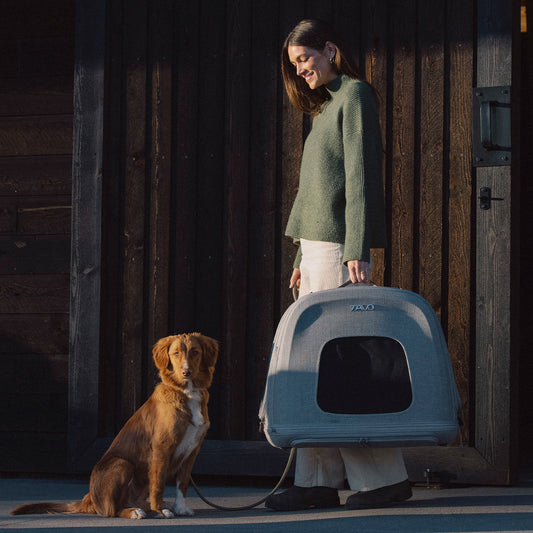
    Bringing home a new puppy is a joyful experience full of cuddles, playful tumbles, and plenty of learning opportunities. One of the most important early steps in ensuring a long, healthy life for your little furry friend is scheduling that very first vet appointment. Here, we will walk you through everything you need to know—from choosing the right vet to packing essential items—so you can confidently make your puppy’s debut clinic visit a positive, stress-free experience. When to Schedule the First Vet Visit Making a timely vet appointment is crucial to kickstart your puppy’s healthcare routine. Most puppies should visit a vet within the first week or two of arriving home, particularly if you have limited information about their vaccination or medical history. This ensures: A thorough health check A clear vaccination schedule Early detection of any existing health concerns A chance to address fleas, worms, or other parasites right away Even if your breeder or rescue provided initial records, scheduling a vet consult soon after you bring your puppy home guarantees you stay on track with recommended treatments and helps your new pup settle confidently into their forever home. Choosing the Right Veterinary Practice Finding the right vet is about more than simply picking the nearest clinic. You’ll want a team that resonates with your approach to pet care, offers comprehensive services, and is conveniently located. Here are a few considerations: 1. Recommendations and Reviews Ask friends, family, or local pet communities about their experiences. Research online reviews to see what other pet owners say about the clinic’s staff and services. 2. Location and Accessibility Close proximity to your home can be crucial during emergencies or for regular checkups. Check if the clinic has easy parking or access to public transport. 3. Clinic Environment Does the clinic have separate waiting areas for dogs and cats? Is the staff friendly and accommodating when you phone or visit? 4. Additional Services Some practices also offer grooming, training, or boarding—bonus points if you’d like one-stop convenience. We recommend asking plenty of questions beforehand. A good vet will welcome your curiosity and ensure you feel well informed about their protocols and expertise. Preparing Your Puppy for the Vet Your puppy’s first vet visit can be a big event, and the best way to ensure it goes smoothly is by acclimating them beforehand. Our team of pet experts suggests the following to help set your puppy up for success: Practice Being Handled Gently handle your puppy’s paws, ears, and mouth at home to build their comfort with touch. Get them used to being lifted onto low tables or countertops (safely) so the vet’s exam table won’t feel too foreign. Desensitise Through Short Trips Take quick car rides or walk your puppy past the vet clinic so they can experience these environments without any medical procedures involved. Reward them with treats and praise during these “practice runs” to create positive associations. Positive Reinforcement Reinforce calm behaviour with gentle praise and occasional treats. If your puppy seems anxious, remain calm and reassuring—your demeanour sets the tone for how they interpret new situations. What to Bring on Vet Day Being well-prepared helps make the experience smooth for both you and your pup. A few essentials include: Medical Records or Documentation - Bring any paperwork from breeders, rescues, or previous owners detailing vaccines and treatments. Comfortable Carrier or Bed - Our Easy Traveller Bed is perfect for a cosy, secure ride. It’s designed to help your puppy feel snug and calm on the go. Treats and Toys - Small, tasty treats will help with positive reinforcement, while a familiar toy can offer comfort in unfamiliar surroundings. Stock up on tasty training treats here Lead and Harness - Always secure your puppy, even if you have a carrier. This ensures you can safely guide them around the waiting area. Stool Sample (If Requested) - Check if your vet wants a fresh sample for parasite testing. If so, collect it just before the appointment. Travelling to the Vet Safety First Secure your puppy in a travel crate, carrier, or on a harness fastened in the car. This prevents distractions and keeps them safe during the journey. A bed like the Easy Traveller Bed can be buckled in or placed in a stable spot so your pup feels at ease. Short Familiarisation Drives If your puppy is new to car rides, start with short, fun trips around the block or to a local park. Gradually increase the distance and reward calm behaviour along the way. Keep the Atmosphere Calm Use a soft tone of voice and, if possible, a quiet environment in the car (lower radio volume, for instance). Avoid sudden stops or erratic driving—gentle, steady driving helps your puppy remain relaxed. Handling the Waiting Room Vet waiting rooms can be bustling places, filled with unfamiliar scents and animals. Here’s how to keep the experience positive: Stay Close - Keep your puppy on a short lead or in their carrier to prevent unwanted interactions with other pets. If they haven’t been vaccinated yet we’d recommend keeping them in their carrier or sat on your lap to minimise infection risk. Pick a Calm Spot - Some clinics separate dogs and cats—choose the dog-friendly side if it’s less hectic. Offer Comfort - Speak reassuringly, stroke your puppy gently, and provide a treat for good behaviour. What to Expect During the Exam Once called in, the vet will likely perform a thorough check to assess your puppy’s overall health. This involves examining the ears, eyes, nose, mouth, heart, and lungs. Making your pup feel comfortable on the exam table is crucial: Place a familiar toy or blanket on the table to ease any nerves. A lot vets will also provide your puppy with treats during the exam to help reassure them and build trust Stay relaxed and speak soothingly; puppies pick up on your energy. Reward calm behaviour with gentle praise—or a small treat if the vet allows. Key Procedures at the First Vet Visit Your puppy’s inaugural appointment often covers a few foundational treatments and discussions: Physical Examination - A nose-to-tail check ensures your puppy has no underlying medical issues that need attention. Vaccinations - Puppies typically start their core vaccinations around 6–8 weeks old, with boosters scheduled in the following weeks or months. Your vet will clarify the exact timeline. Microchipping - If your puppy isn’t already chipped, the vet can usually do it on site. This quick, relatively painless procedure provides your pet with permanent identification. Flea & Worm Prevention - Young puppies can be prone to parasites. Your vet will recommend treatments to guard against fleas, ticks, and worms, and outline an ongoing preventative routine. Nutritional & Behavioural Advice - Vets can guide you on puppy-appropriate foods, treats, and basic training tips. Don’t hesitate to ask questions! Essential Tips in a Nutshell Book Early: Schedule a vet appointment soon after bringing your puppy home. Practice Handling: Get them used to gentle touches and being lifted. Travel Prep: Use a comfortable, secure carrier or bed like our Easy Traveller Bed. Waiting Room Strategy: Keep them on a lead or in a carrier, choose a quiet corner, and reassure them with a calm voice. Follow Vet Guidance: Stick to the recommended vaccination, microchipping, and parasite prevention schedules. Final Thoughts Your puppy’s first vet visit lays the groundwork for a lifetime of good health. By choosing a reputable veterinarian, preparing your pup with gentle handling, and bringing the right essentials—from carriers to treats—you can make this inaugural trip a positive milestone rather than a stressful one. We at Lords & Labradors believe every puppy deserves a great start in life, and our team of pet experts are always here to support you with advice, products, and resources. Remember, the better the experience at this early stage, the more likely your puppy will feel comfortable during future checkups. A little preparation today goes a long way toward ensuring a lifetime of wagging tails and happy vet visits in the years to come! Shop all the puppy essentials you will need for your pups first vet visit and beyond at Lords & Labradors.

    By Megan Willis

    Read more

loyal customer in 17 countries

Why Shop With Us?

  • Free Delivery

    Orders over £75 qualify for free standard UK delivery. Orders under £75 will be calculated at the checkout.

  • Shopping Made Easy

    Gain exclusive access to sales and shop all your pets favourites on the go by downloading our app.

  • Designed in the UK

    Our own brand products are lovingly designed in our specialist UK workshop to our exacting standards.

  • We're Here For You

    Contact our Pet Experts on Chat or by email at sales@lordsandlabradors.co.uk