Will This Dog Bed Be The Right Size For My New Puppy?
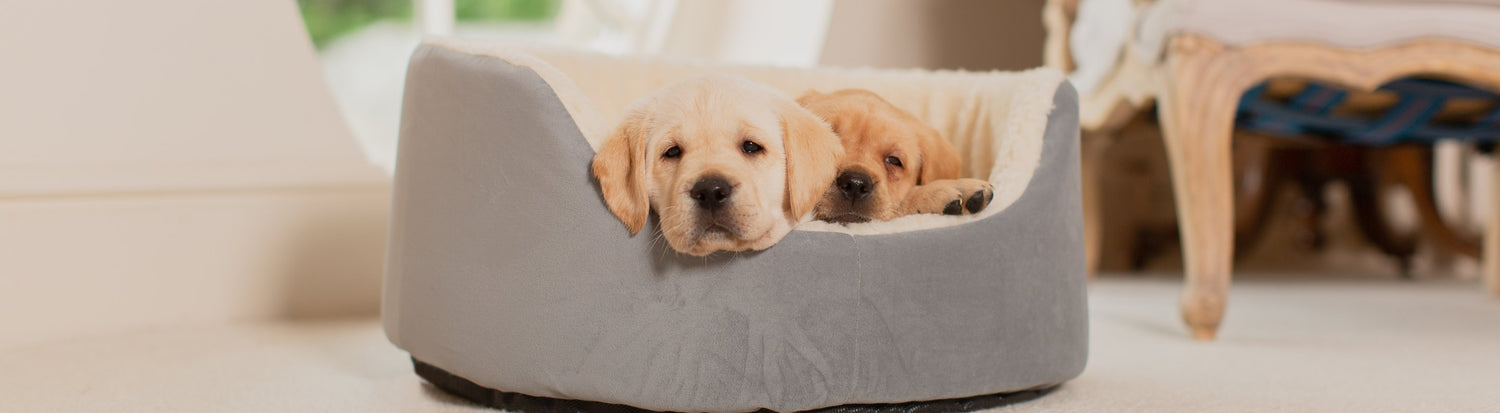
You’re preparing to bring home a new puppy; there are super exciting times ahead, but also lots of things to consider and prepare. You might be wondering what size you need for everything to buy! Well don’t panic, we’re here to help and hopefully take some of the stress of the preparation away. In this blog we look at beds for puppies, the various sizes available and which will be right for you and your breed of pup. There are many types of beds in all shapes and sizes, but we particularly like soft, cosy beds for our puppies as they can snuggle into them and they can also be used inside crates.
Lords & Labradors Cosy & Calming Puppy Crate Beds
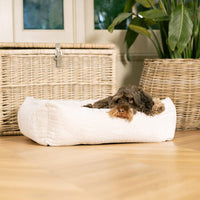
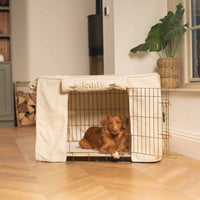
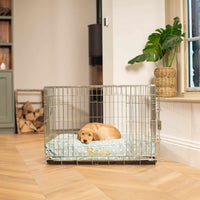
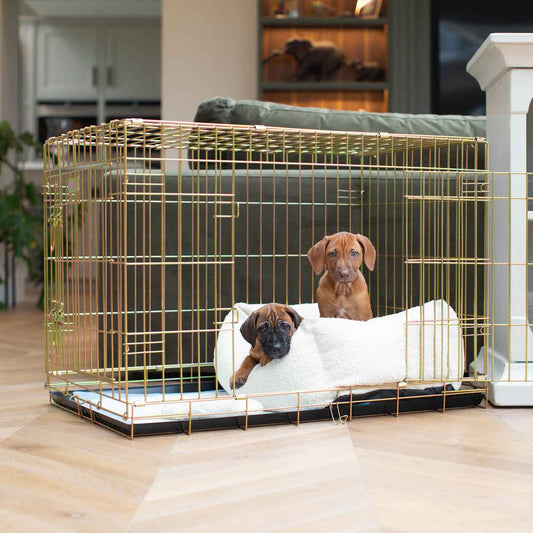
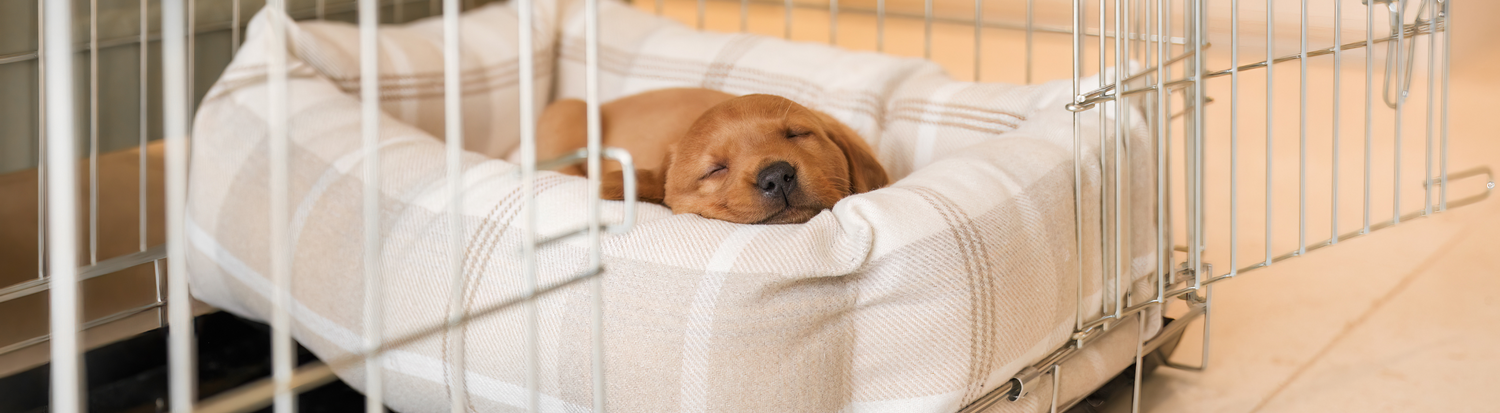
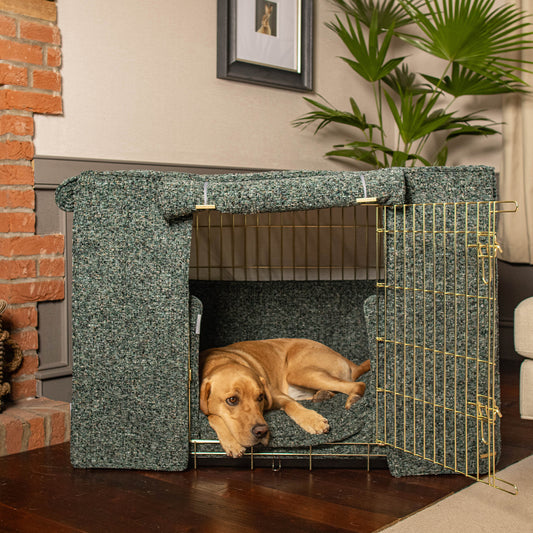
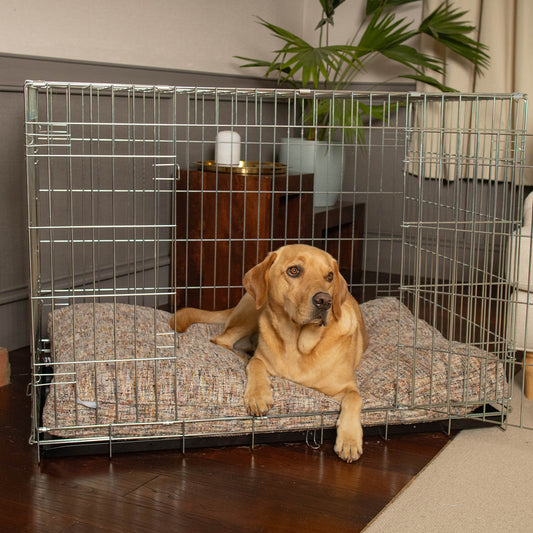
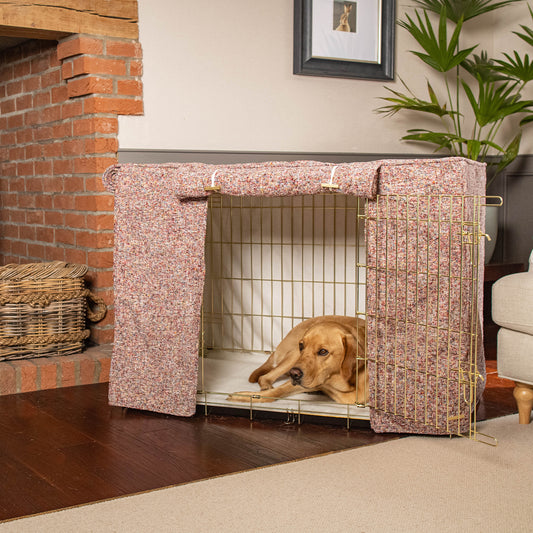
We have designed the perfect puppy crate bed - our Cosy & Calming Puppy Crate Beds fit into exactly one half of your crate leaving room for a puppy pad and water bowl in the other half - the best crate set-up for crate training and the nighttime routine. The beds are super squishy and comfortable with a padded donut allowing your puppy to snuggle in the walls. Available in all of our Lords & Labradors fabrics so you can choose one to match your crate cover... the puppy bed of dreams!
The bed can even be used outside the crate - pop it anywhere your puppy enjoys sleeping around the house! Available in small, medium and large, extra large and extra extra large to fit your chosen size crates respectively.
Grow With Me Bed
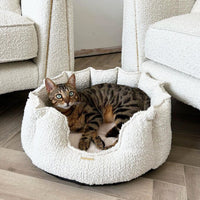
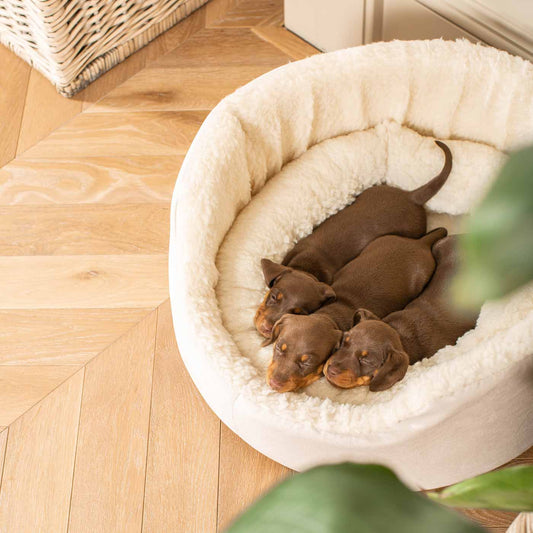
The Lords & Labradors Grow With Me bed is a super snuggly round shaped bed, with an inner ring designed to grow with your tiny puppy - they're so soft and perfect for little puppies. It's a good first soft beds for little puppies settling into their new home. Available in 2 neutral colours the bed will look great in any interior.
Zoon Bedding
The Zoon collection of beds are great for puppies as they come in really fun prints and designs, which look too cute with puppies. They're durable and washable so will withstand puppy use up to adulthood. They come in a variety of sizes too, so perfect for puppies of all ages.
If you have any other questions about the beds, or want to know something else puppy related, do get in touch. We are here every weekday during in office hours and will be happy to assist in way way we can. If you are looking for other puppy things then have a little look around our Puppy Section which includes our Welcome to the World Puppy Packs. These include a selection of essentials to help prepare you for your new arrival.
You’re preparing to bring home a new puppy; there are super exciting times ahead, but also lots of things to consider and prepare. You might be wondering what size you need for everything to buy! Well don’t panic, we’re here to help and hopefully take some of the stress of the preparation away. In this blog we look at beds for puppies, the various sizes available and which will be right for you and your breed of pup. There are many types of beds in all shapes and sizes, but we particularly like soft, cosy beds for our puppies as they can snuggle into them and they can also be used inside crates.
We have designed the perfect puppy crate bed - our Cosy & Calming Puppy Crate Beds fit into exactly one half of your crate leaving room for a puppy pad and water bowl in the other half - the best crate set-up for crate training and the nighttime routine. The beds are super squishy and comfortable with a padded donut allowing your puppy to snuggle in the walls. Available in all of our Lords & Labradors fabrics so you can choose one to match your crate cover... the puppy bed of dreams!
The bed can even be used outside the crate - pop it anywhere your puppy enjoys sleeping around the house! Available in small, medium and large, extra large and extra extra large to fit your chosen size crates respectively.
The Lords & Labradors Grow With Me bed is a super snuggly round shaped bed, with an inner ring designed to grow with your tiny puppy - they're so soft and perfect for little puppies. It's a good first soft beds for little puppies settling into their new home. Available in 2 neutral colours the bed will look great in any interior.
The Zoon collection of beds are great for puppies as they come in really fun prints and designs, which look too cute with puppies. They're durable and washable so will withstand puppy use up to adulthood. They come in a variety of sizes too, so perfect for puppies of all ages.
If you have any other questions about the beds, or want to know something else puppy related, do get in touch. We are here every weekday during in office hours and will be happy to assist in way way we can. If you are looking for other puppy things then have a little look around our Puppy Section which includes our Welcome to the World Puppy Packs. These include a selection of essentials to help prepare you for your new arrival.
SIGN UP FOR USEFUL TIPS & GUIDES STRAIGHT TO YOUR INBOX
Sore gums, mystery teeth marks on the furniture, a puppy who seems a little off but you can’t quite put your finger on why — puppy teething symptoms have a way of creeping up before you’ve even thought to look for them. In this guide, we’ll walk you through what’s actually happening inside your puppy’s mouth, what the teething timeline looks like, and how to tell normal discomfort from something worth a vet call. You’ll also find some genuinely simple ways to soothe sore gums at home and keep the chewing pointed in the right direction.
What puppy teething symptoms look like in everyday life
Most puppy parents notice something is off before they even think to connect it to teething. The shoes have mysteriously acquired teeth marks, your puppy is mouthing your hands more than usual, and they seem a little out of sorts in general. Sound familiar? Once you know what to look for, the whole picture starts to make sense.
The most obvious sign is a sudden surge in chewing. Everything becomes fair game: furniture corners, skirting boards, your favourite jumper. Alongside this, you might notice your puppy dribbling more than usual or pawing at their mouth. If you gently lift their lip, look for gums that appear a little red or puffy, especially around the spots where new teeth are starting to push through.
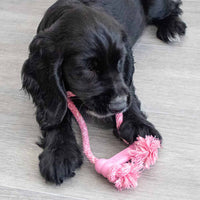
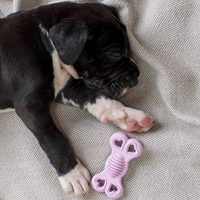
Nipping tends to increase too, and it can feel more frantic than playful. This is not your puppy being difficult or defiant. Their gums are genuinely uncomfortable, and chewing brings relief. Giving them appropriate things to gnaw on, like textured puppy toys designed with teething in mind, makes a real difference at this stage.
A fussier mood is also completely normal. Some puppies go off their food for a day or two, sleep more restlessly, or simply seem a little flat compared to their usual bouncy selves. It will pass.
Spotting these puppy teething signs for what they actually are helps you respond with patience rather than frustration. That is better for your puppy, and honestly, better for you too.
When puppy teething starts and when it usually ends
Puppy teething symptoms can feel like they’ve come out of nowhere, but the process actually begins earlier than most people realise. Baby teeth start pushing through from around 3 to 8 weeks of age, and by 12 to 16 weeks, adult teeth begin replacing them. The whole stage typically wraps up by around 6 to 7 months, so as relentless as it feels right now, it really is temporary.
Here’s how the puppy teething timeline usually unfolds:
0 to 3 weeks — Puppies are born without teeth. Gums are soft, and there’s no discomfort yet.
3 to 8 weeks — Baby teeth (also called milk teeth) begin coming through. Most puppies have their full set of 28 by around 8 weeks.
12 to 16 weeks — Adult teeth start pushing through. This is when puppy teething signs tend to become most noticeable, with chewing and drooling ramping up noticeably.
4 to 6 months — Adult teeth continue replacing baby teeth. Don’t be surprised if you find a tiny tooth on the kitchen floor.
6 to 7 months — The full set of 42 adult teeth is usually in place.
Worth knowing: Most puppies have all 42 adult teeth by 6 to 7 months. That’s the finish line, and it will arrive.
How long puppies teethe and how intensely they feel it does vary. Larger breeds sometimes experience more pronounced discomfort, and some puppies are just more sensitive than others. If your pup seems particularly restless or chew-obsessed, that’s usually why.
Getting the right supplies together early makes the whole stage far more manageable. Lords & Labradors’ puppy collection is a great starting point if you’re building your teething toolkit.
Why teething makes puppies chew, bite, and act out
If your puppy seems to be chewing everything in sight, nipping at your hands, or waking you up at odd hours, take a breath — this is not a sign that you’ve got a troublesome pup on your hands. These are classic puppy teething symptoms, and they’re almost always your puppy’s way of telling you their mouth is uncomfortable.
During teething, the gums become inflamed as adult teeth push through the tissue. That pressure and sensitivity is genuinely uncomfortable, and chewing provides just enough counter-pressure to bring some relief. Think of it like a human baby reaching for anything they can gnaw on. Your puppy isn’t acting out — they’re coping.
The most common behavioural signs linked to teething discomfort include:
Chewing furniture, skirting boards, and shoes — anything firm that creates that satisfying counter-pressure
Destroying bedding or soft furnishings, which tends to ramp up at night when there’s nothing else to redirect their attention to
Mouthing or grabbing hands during play, often more persistently than usual
Eating more slowly or briefly going off food because chewing feels sore
Drooling more than normal, thanks to increased saliva production during teething
Seeming restless or unsettled at bedtime, especially during the most intense teething weeks
All of this is temporary. Once you understand it’s physical discomfort driving the behaviour rather than wilfulness, it becomes a lot easier to respond with patience and redirect your puppy calmly.
How to soothe sore gums at home
Once you’ve started recognising the puppy teething symptoms your pup is showing, the focus naturally shifts from spotting the signs to actually making them feel better. The good news? There’s plenty you can do at home, and most of it is simple.
Offer puppy-safe chew toys designed with teething in mind. Softer rubber or nylon options give sore gums something satisfying to work on without causing damage. It’s worth having a few different styles on the go — browse puppy-safe chew toys to find options suited to your pup’s size and chew strength.
Try a briefly chilled damp flannel. Wet a cloth, pop it in the fridge for 20 minutes, then let your puppy gnaw on it. The gentle coolness soothes inflamed gums without the risks that come with frozen items.
Rotate toys regularly. Puppies lose interest quickly, so swapping things out every day or two keeps chewing directed at the right targets rather than your skirting boards.
Stay nearby during chewing sessions. Supervising means you can calmly redirect your pup the moment they switch from their toy to your favourite chair leg — and they will try.
Redirect rather than just remove. When your puppy goes for something off-limits, swap it straight away with an appropriate toy. A firm “no” on its own rarely gets the message across at this age.
What to avoid:
Hard bones or antlers, which can crack sensitive puppy teeth
Frozen solid items like ice cubes, which are too harsh on sore gums
Small objects that could become a choking hazard
Human teething gels, particularly anything containing xylitol, which is toxic to dogs
With the right puppy teething remedies to hand and a little consistency, this phase is genuinely manageable — for your puppy and for your home.
When puppy teething symptoms need a vet check
Most puppy teething symptoms are completely normal, and the vast majority of what you’ll see at home doesn’t need anything more than patience and a good chew toy.
A little blood on a toy? Perfectly expected. The odd wobbly or missing tooth? All part of it. Mild drooling, pink-tinged gums, and a puppy who’s grumpier than usual during peak teething weeks are nothing to panic about.
That said, a few signs are worth watching more closely:
Gums that look very swollen, deeply red, or are bleeding heavily and not settling
A baby tooth that hasn’t fallen out after the adult tooth has already come through
Persistent refusal to eat, even soft or wet food
Breath that smells genuinely foul — not just normal puppy breath, but sharp or rotten
Lethargy, a fever, or anything else that makes your puppy seem off in a general way
If one of these pops up, give it a day and see whether things settle. If they don’t, trust your gut and call your vet. You know your puppy better than anyone.
For everything else, the right support and a few good chews will carry you both through. Just getting started with a new pup? Our guide to bringing a puppy home covers those early weeks brilliantly.