


French Bulldogs: The Ultimate Guide
02.08.22 August 02, 2022 Dog Breed Guide

French Bulldogs: The Ultimate Guide

Frenchie’s are an increasingly popular breed amongst pet owners. A small breed of domestic dog, first bred in the 1800s as a result of a cross between bulldog ancestors imported from England and local ratters in France. Like many companion breeds, French Bulldogs make wonderful lapdogs and thrive on human interaction. They are also good with children, having patient and affectionate temperaments. If you are looking to bring a French Bulldog home for the first time or already have one, take a look at our ultimate Frenchie guide and learn everything you need to know about Frenchie’s and all the essentials you need.   Features  Breed  French Bulldog  Breed Group  Utility Breed Group  Breed Size  Small  Height   15.5"-18.5"/46cm - 55cm  Length   18" - 21.5" / 46cm - 55cm  Weight Range  7.3kg - 12.7kg  Coat Length  Short  Coat Colours  Brindle, Light Brindle, Dark Brindle, Brindle & White, Fawn, Fawn & White, Fawn Pied, Fawn With Black Mask, Pied  Lifespan  10-12 Years How Big Does A French Bulldog Get? French Bulldogs are small breed dogs and when fully grown they usually measure between 39 and 47cm when standing. Male Frenchie’s usually weigh between 9 and 12.7 kg and female Frenchies 7.3 – 10.9kg. Being small dogs we usually recommend a medium size in L&L products but check the products sizing guides or speak to our customer service team for more guidance.  What Do French Bulldogs Look Like? Frenchie’s are known for their flat faces and bat like ears. They are sturdy, well-built dogs with smooth, fine coats. Common coat colours include Brindle, Light Brindle, Dark Brindle, Brindle & White, Fawn, Fawn & White, Fawn Pied, Fawn With Black Mask and Pied. Are French Bulldogs Easy To Train French bulldogs may be small, but they are highly intelligent. This makes them great to train, as long as you keep the training fun, they will be highly receptive to training. They will thrive on positive reward-based training, having plenty of treats and praise will make training them so much easier! They are a clean breed making them on the easier side to toilet train. However, remember that as a small breed they have small bladders (especially as puppies) so taking them out regularly is key to successfully toilet training your Frenchie. As with all dogs, consistency is key! Establish a routine from the day they come home and stick to it as much as possible.  Health Issues Keeping any potential health issues in mind from the start is a great idea, it means you can put preventative measures in place and pick up on any warning signs early on. Being a flat-faced breed one of the main health issues that Frenchie’s may have is breathing problems due to not being able to pant properly to cool themselves down. You’ll likely notice them breathing a little heavier when exercising or in warmer weather. You can help their symptoms by putting them in a harness to walk rather than a collar which may put added pressure on their neck, keep them inside and cool on warmer days and keep their walks short and sweet. Frenchies can be prone to dry, cracked noses and paws, especially in cold weather. Nose Balm and Paw Balm will help keep their skin moisturised and help any cracks heal. We have some great options here at L&L and particularly love the Animology Paw and Nose Balm or the Be:Soft Nose and Paw Balm. Other health problems to watch out for with Frenchie’s are skin allergies such as dermatitis, corneal ulcers, intervertebral disc disease (IVDD) and Degenerative Myelopathy.   How To Groom A Frenchie As we mentioned above, Frenchies are usually a clean breed so don’t need weekly washes, we recommend washing them when they are visibly dirty. Frenchies can be prone to skin allergies so a shampoo for sensitive skin can help to manage them. We love the PetPlex Derma Doctor shampoo for sensitive skin. With all their fabulous folds on their face, it’s important to be careful whilst washing them, any moisture that gets trapped in between them may lead to an infection. Why not try using a dog-friendly wipe such as the Earth Rated Grooming wipes to clean in between them? We recommend a weekly brush just to help remove any excess fur and debris which may have built up in their coat. For fine Frenchie coats rubber brushes or gloves are great, the Ancol Ergo Grooming glove is a pawfect fit for your bulldogs luscious locks. To help keep eye problems at bay try Vet’s Best Eye Cleaning Pads, they are safe and easy to use and contain aloe vera which helps to soothe their eyes and remove any tear stains.    How Much Exercise Should A Frenchie Have What doggy doesn’t love walkies? Whilst French Bulldogs don’t require the longest walks of all dog breeds, they do need some short walks to help keep them healthy. Fully grown French bulldogs will need up to an hour’s exercise a day. We recommend splitting this into a few shorter walks to help with their breathing.  It’s a great idea to let your Frenchie have some time to play off-lead to help keep their mind active, this will give them plenty of opportunities to sniff around and will keep them mentally stimulated.  Being such intelligent dogs they need plenty of things to keep their mind active, a great boredom buster is the Nina Ottosson Dog Casino Puzzle. Being a smaller dog, they aren’t suited to intense canine sports like agility in the same way that larger breeds are. They’re better for a slower-paced workout that is short and sweet. We would suggest a harness rather than a collar, as collars can restrict their breathing. Harnesses also offer great comfort and control when lead training.   Frenchie Nutrition Bowls are a necessity for every breed of dog. Keep water down at all times and feed your dog according to the guidelines set out by your chosen food brand.  We suggest a raised design for French Bulldogs and other breeds with deep chests to make them comfortable at feeding time. These Scruffs bowls are designed specifically for flat-faced breeds so are perfect for feeding your Frenchie.  Some great food options for your Frenchie are James Wellbeloved Fish & Rice Adult Dog Food or the Royal Canin French Bulldog range – they have both puppy and adult varieties so can follow your Frenchie’s growth and development. Best Toys For French Bulldogs French Bulldogs are not the most active breed of dog, but they do require some exercise and will enjoy some playtime too. A couple of different dog toys will keep them occupied, aid brain development and stop them from chewing furniture in boredom. The Little Buddy Heart Beat Sheep is absolutely for puppies. It will mimic the heartbeat of mum to help settle your new arrival. We also love KONG toys as they are good for chewers and promote healthy teeth whilst relieving boredom.   Best Beds For French Bulldogs There are a number of styles to consider when buying a bed for your new French Bulldog. The best option for puppies is a dog crate with matching cushion, cover and bumper set. The crate will keep them safe if you need to leave them on their own and is also great for potty training. The cover set will turn the bare, draughty cage into a sumptuous, cosy bed. When your puppy first comes home, you could buy a cosy & calming puppy bed and place puppy pads in the other half. Then as they grow older and become home trained, you can swap to a full size cushion. We’d suggest the medium size crate as this will then last them into adulthood.   Other options if you’re not looking to crate train your Frenchie or if you have an grown up Frenchie who no longer wants to sleep in their crate are our high-wall beds or box beds. High walls are great for frenchies who love to snuggle and curl up, where as box beds suit those who love to stretch out. Whichever bed you go for we recommend a medium size in L&L beds so they have plenty of room.   Frenchie Shopping List Hopefully this guide will have given you some ideas of the key things to buy when getting ready for your new French Bulldog. Oh and if you want to treat yourself why not get the Wagging Tail French Bull Dog Clock by The Labrador Company? For even more suggestions, visit our French Bulldog Breed Page which has some must-have items for all Frenchie owners. If you need any help or advice with your order don’t hesitate to contact us, we’re always happy to help as best we can.  
By Megan Willis

Read more

Frenchie’s are an increasingly popular breed amongst pet owners. A small breed of domestic dog, first bred in the 1800s as a result of a cross between bulldog ancestors imported from England and local ratters in France. Like many companion breeds, French Bulldogs make wonderful lapdogs and thrive on human interaction. They are also good with children, having patient and affectionate temperaments. If you are looking to bring a French Bulldog home for the first time or already have one, take a look at our ultimate Frenchie guide and learn everything you need to know about Frenchie’s and all the essentials you need.


Features

 Breed  French Bulldog
 Breed Group  Utility Breed Group
 Breed Size  Small
 Height   15.5"-18.5"/46cm - 55cm
 Length   18" - 21.5" / 46cm - 55cm
 Weight Range  7.3kg - 12.7kg
 Coat Length  Short
 Coat Colours  Brindle, Light Brindle, Dark Brindle, Brindle & White, Fawn, Fawn & White, Fawn Pied, Fawn With Black Mask, Pied
 Lifespan  10-12 Years

How Big Does A French Bulldog Get?

French Bulldogs are small breed dogs and when fully grown they usually measure between 39 and 47cm when standing.

Male Frenchie’s usually weigh between 9 and 12.7 kg and female Frenchies 7.3 – 10.9kg.

Being small dogs we usually recommend a medium size in L&L products but check the products sizing guides or speak to our customer service team for more guidance. 

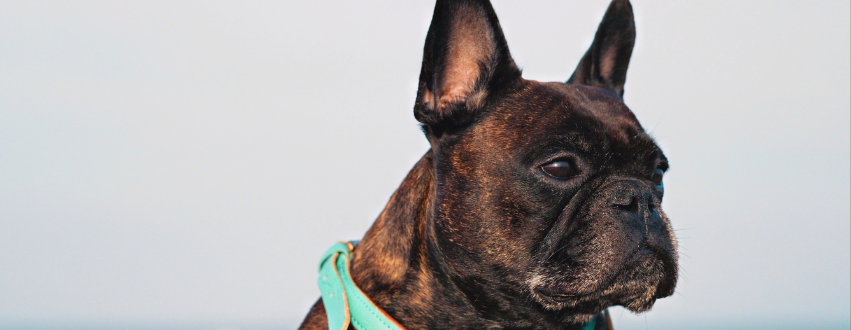
French bulldog in a blue collar

What Do French Bulldogs Look Like?

Frenchie’s are known for their flat faces and bat like ears. They are sturdy, well-built dogs with smooth, fine coats.

Common coat colours include Brindle, Light Brindle, Dark Brindle, Brindle & White, Fawn, Fawn & White, Fawn Pied, Fawn With Black Mask and Pied.

Are French Bulldogs Easy To Train

French bulldogs may be small, but they are highly intelligent. This makes them great to train, as long as you keep the training fun, they will be highly receptive to training. They will thrive on positive reward-based training, having plenty of treats and praise will make training them so much easier!

They are a clean breed making them on the easier side to toilet train. However, remember that as a small breed they have small bladders (especially as puppies) so taking them out regularly is key to successfully toilet training your Frenchie.

As with all dogs, consistency is key! Establish a routine from the day they come home and stick to it as much as possible. 

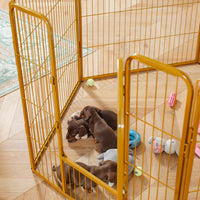
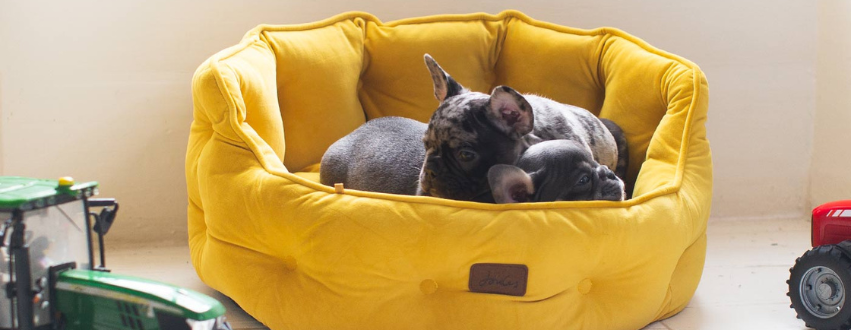
Two french bulldog puppies in a yellow dog bed

Health Issues

Keeping any potential health issues in mind from the start is a great idea, it means you can put preventative measures in place and pick up on any warning signs early on.

Being a flat-faced breed one of the main health issues that Frenchie’s may have is breathing problems due to not being able to pant properly to cool themselves down. You’ll likely notice them breathing a little heavier when exercising or in warmer weather. You can help their symptoms by putting them in a harness to walk rather than a collar which may put added pressure on their neck, keep them inside and cool on warmer days and keep their walks short and sweet.

Frenchies can be prone to dry, cracked noses and paws, especially in cold weather. Nose Balm and Paw Balm will help keep their skin moisturised and help any cracks heal. We have some great options here at L&L and particularly love the Animology Paw and Nose Balm or the Be:Soft Nose and Paw Balm.

Other health problems to watch out for with Frenchie’s are skin allergies such as dermatitis, corneal ulcers, intervertebral disc disease (IVDD) and Degenerative Myelopathy.


How To Groom A Frenchie

As we mentioned above, Frenchies are usually a clean breed so don’t need weekly washes, we recommend washing them when they are visibly dirty. Frenchies can be prone to skin allergies so a shampoo for sensitive skin can help to manage them.

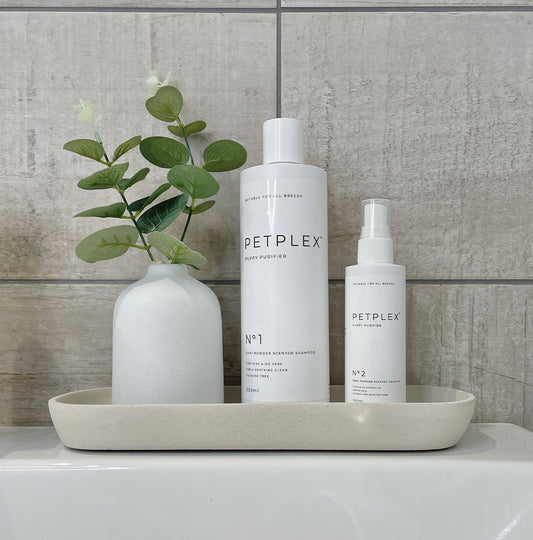
We love the PetPlex Derma Doctor shampoo for sensitive skin.

With all their fabulous folds on their face, it’s important to be careful whilst washing them, any moisture that gets trapped in between them may lead to an infection. Why not try using a dog-friendly wipe such as the Earth Rated Grooming wipes to clean in between them?

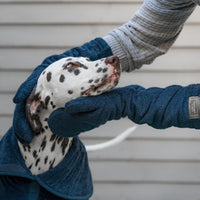
We recommend a weekly brush just to help remove any excess fur and debris which may have built up in their coat. For fine Frenchie coats rubber brushes or gloves are great, the Ancol Ergo Grooming glove is a pawfect fit for your bulldogs luscious locks.

To help keep eye problems at bay try Vet’s Best Eye Cleaning Pads, they are safe and easy to use and contain aloe vera which helps to soothe their eyes and remove any tear stains. 


How Much Exercise Should A Frenchie Have

What doggy doesn’t love walkies? Whilst French Bulldogs don’t require the longest walks of all dog breeds, they do need some short walks to help keep them healthy.

Fully grown French bulldogs will need up to an hour’s exercise a day. We recommend splitting this into a few shorter walks to help with their breathing. 

It’s a great idea to let your Frenchie have some time to play off-lead to help keep their mind active, this will give them plenty of opportunities to sniff around and will keep them mentally stimulated. 

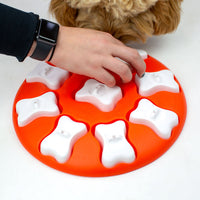
Being such intelligent dogs they need plenty of things to keep their mind active, a great boredom buster is the Nina Ottosson Dog Casino Puzzle.

Being a smaller dog, they aren’t suited to intense canine sports like agility in the same way that larger breeds are. They’re better for a slower-paced workout that is short and sweet.

We would suggest a harness rather than a collar, as collars can restrict their breathing. Harnesses also offer great comfort and control when lead training.


Frenchie Nutrition

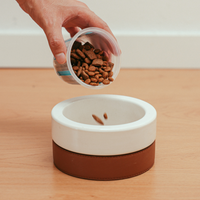
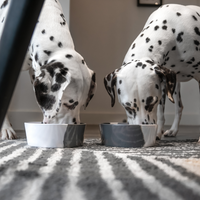
Bowls are a necessity for every breed of dog. Keep water down at all times and feed your dog according to the guidelines set out by your chosen food brand. 

We suggest a raised design for French Bulldogs and other breeds with deep chests to make them comfortable at feeding time.

These Scruffs bowls are designed specifically for flat-faced breeds so are perfect for feeding your Frenchie. 

Some great food options for your Frenchie are James Wellbeloved Fish & Rice Adult Dog Food or the Royal Canin French Bulldog range – they have both puppy and adult varieties so can follow your Frenchie’s growth and development.

Best Toys For French Bulldogs

French Bulldogs are not the most active breed of dog, but they do require some exercise and will enjoy some playtime too. A couple of different dog toys will keep them occupied, aid brain development and stop them from chewing furniture in boredom.

The Little Buddy Heart Beat Sheep is absolutely for puppies. It will mimic the heartbeat of mum to help settle your new arrival.

We also love KONG toys as they are good for chewers and promote healthy teeth whilst relieving boredom.


Best Beds For French Bulldogs

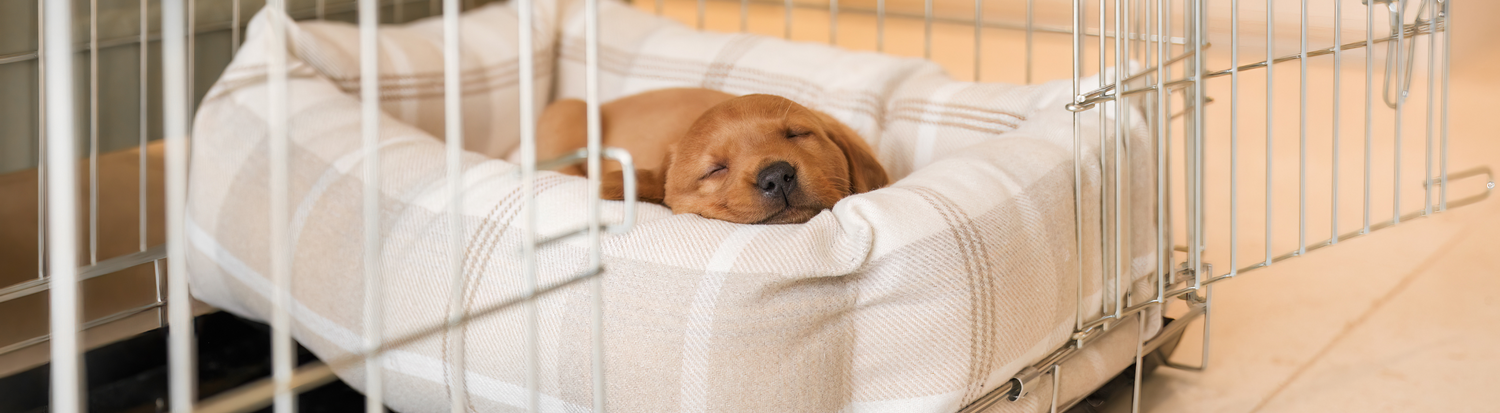
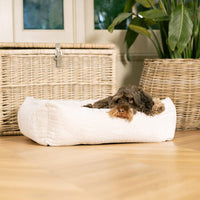
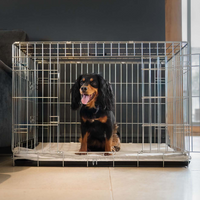
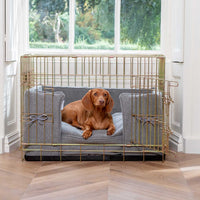
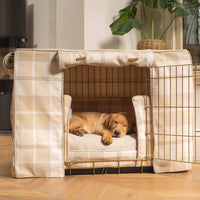
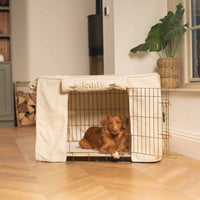
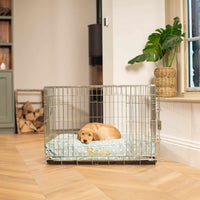
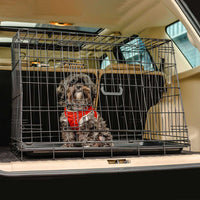
There are a number of styles to consider when buying a bed for your new French Bulldog. The best option for puppies is a dog crate with matching cushion, cover and bumper set. The crate will keep them safe if you need to leave them on their own and is also great for potty training. The cover set will turn the bare, draughty cage into a sumptuous, cosy bed. When your puppy first comes home, you could buy a cosy & calming puppy bed and place puppy pads in the other half. Then as they grow older and become home trained, you can swap to a full size cushion. We’d suggest the medium size crate as this will then last them into adulthood.  

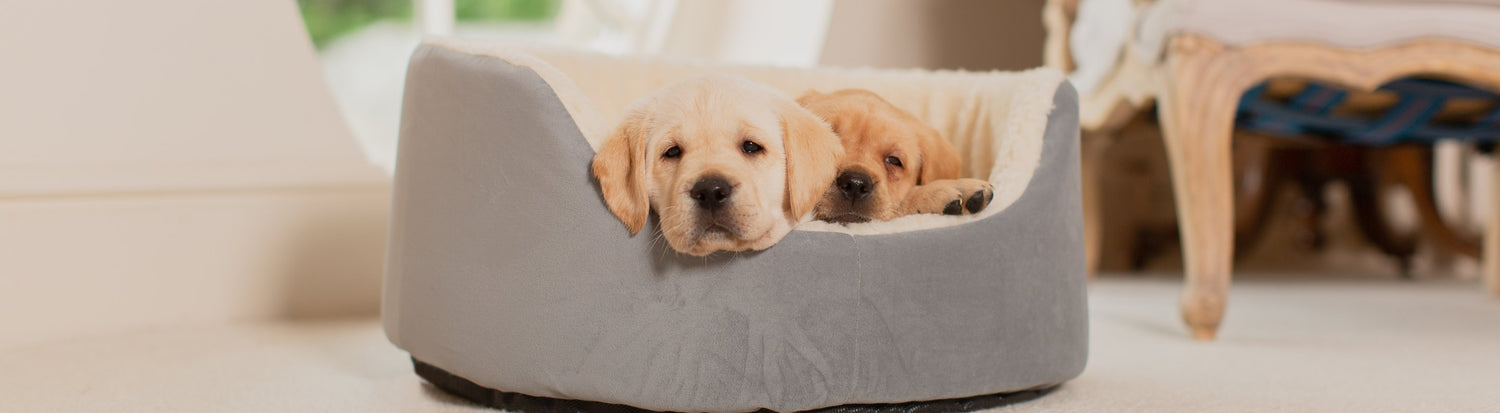
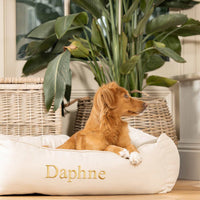
Other options if you’re not looking to crate train your Frenchie or if you have an grown up Frenchie who no longer wants to sleep in their crate are our high-wall beds or box beds. High walls are great for frenchies who love to snuggle and curl up, where as box beds suit those who love to stretch out. Whichever bed you go for we recommend a medium size in L&L beds so they have plenty of room.


Frenchie Shopping List

Hopefully this guide will have given you some ideas of the key things to buy when getting ready for your new French Bulldog. Oh and if you want to treat yourself why not get the Wagging Tail French Bull Dog Clock by The Labrador Company? For even more suggestions, visit our French Bulldog Breed Page which has some must-have items for all Frenchie owners. If you need any help or advice with your order don’t hesitate to contact us, we’re always happy to help as best we can.


Related Products

Related Collections

New Puppy Essentials

At Lords & Labradors, we understand how important it is to provide... 

Next Article
5 Easy Frozen KONG Recipes To Keep Your Dog Cool This Summer

Related Articles

  • How Much Exercise Does a Beagle Need
    15.05.26 May 15, 2026 Dog Breed Guide

    How Much Exercise Does a Beagle Need

    If you've ever watched your Beagle bounce around the house like a furry pinball machine, you're probably wondering exactly how much exercise does a Beagle need to channel all that energy. The answer isn't as simple as a daily walk around the block—these spirited hunting dogs require a thoughtful blend of physical activity and mental challenges that evolves throughout their lives. From puppyhood through their golden years, we'll help you create the perfect exercise routine that keeps your Beagle happy, healthy, and blissfully tired at the end of each day. Understanding Your Beagle's Exercise Needs Beagles are natural athletes with boundless curiosity, originally bred to hunt alongside humans for hours at a time. This heritage means your Beagle comes hardwired with impressive stamina and an insatiable need to explore the world through movement and scent. When you're wondering how much exercise does a beagle need, think beyond just a quick walk around the block. These spirited dogs thrive on both physical activity and mental challenges to stay balanced and content. You'll likely notice that a tired Beagle is a happy Beagle—while an under-exercised one might redecorate your living room or serenade the neighbors with their famous howl. The wonderful thing about Beagles is their adaptability. Whether you're training for a marathon or prefer gentle evening strolls, your Beagle can match your rhythm with the right routine. Their daily activity needs shift dramatically throughout their lives, from the careful pacing required for bouncy puppies to the modified activities that keep senior dogs comfortable and engaged. Getting these evolving needs right makes all the difference in creating a sustainable exercise plan that keeps your Beagle physically fit, mentally sharp, and genuinely happy. Regular exercise becomes the cornerstone of everything from healthy joints to good behavior, setting you both up for years of adventures together. Exercise Requirements by Age: Puppies, Adults, and Seniors Understanding how much exercise a Beagle needs isn't straightforward since their energy levels and capabilities change as they grow. A playful eight-week-old puppy has very different requirements from a gentle nine-year-old senior. Striking the right balance is crucial to keeping your furry friend healthy and content. Puppies (2-12 months) Beagle puppies are bundles of energy, but protecting their growing joints from overexertion is key: - Follow the "5-minute rule": Allow 5 minutes of exercise per month of age, twice daily (e.g., a 3-month-old should get 15 minutes, twice daily). - Focus on short, frequent play sessions rather than long walks. - Include games like hide-and-seek and puzzle toys. - Avoid repetitive activities such as jogging or jumping until growth plates close, around 12-18 months. - Rest is just as important as activity for healthy development. Callout: The 5-Minute Rule This helpful guideline prevents joint damage as your puppy grows. For example, a 4-month-old Beagle should get about 20 minutes of structured exercise twice daily, along with plenty of nap time. Creating proper crate training routines ensures your puppy rests adequately between active periods. Adults (1-7 years) Adult Beagles have impressive stamina and high energy levels, needing regular outlets: - Aim for 60-90 minutes of varied activity throughout the day. - Include two structured walks and additional playtime. - Mix activities like hiking, fetch, agility training, or scent work. - Embrace these years as a time for exciting adventures and new experiences together. Seniors (8+ years) Older Beagles still require exercise, but comfort becomes more important: - Scale back to 30-60 minutes of gentler daily exercise. - Opt for softer surfaces and shorter distances on walks. - Swimming offers excellent low-impact exercise for aging joints. - Watch for signs of stiffness and adjust the routine as needed. Adapting your Beagle's routine to their life stage ensures they remain healthy and happy, protecting their joints while they enjoy many years of tail-wagging adventures. Mental Stimulation: Keeping Your Beagle's Mind Active While figuring out how much exercise your beagle needs, it's easy to focus purely on walks and runs while forgetting about their mental workout requirements. Beagles were bred as hunting hounds, which means their brains crave just as much engagement as their bodies do. Without proper mental stimulation, even a well-exercised beagle can turn into a four-legged tornado of destruction—think excessive barking, crater-sized holes in your garden, or your favorite slippers becoming unrecognizable chew toys. Here are tried-and-tested ways to challenge your beagle's brilliant mind: Puzzle feeders and treat-dispensing toys that transform mealtime into an engaging brain game Scent work games like hiding treats around the house or teaching them to find specific toys by smell Snuffle mats that tap into their natural foraging instincts Hide-and-seek with family members or favorite toys throughout your home Short training sessions focusing on new tricks or polishing existing commands (keep these upbeat and brief) Toy rotation system where you swap out playthings weekly to keep things fresh and exciting Did You Know? Just 15 minutes of focused mental stimulation can tire your beagle as much as a 30-minute walk. Mental enrichment isn't an add-on to your beagle's exercise routine—it's absolutely fundamental. A mentally satisfied beagle tends to be calmer, more responsive to training, and genuinely easier to live with. Watch for those telltale signs of contentment after brain games, because understanding your dog's body language helps you recognize when they're truly fulfilled rather than just physically knackered. This insight makes determining your beagle's ideal exercise balance much more tailored to their unique personality and energy levels. Off-Lead Safety Tips for Beagle Adventures Beagles were born to follow their noses across open countryside, and off-lead adventures let them express these natural hunting instincts while burning off their abundant energy. These moments of freedom transform routine walks into the kind of beagle daily activity that truly satisfies both their physical needs and their deep-rooted desire to explore. Safety comes first when transitioning to off-lead exercise: Master recall training before going lead-free - Start indoors, then move to a securely fenced garden. Your Beagle should return immediately when called, even when distracted by the most tantalizing smells. Choose enclosed spaces initially - Fenced dog parks, tennis courts, or secure fields give your Beagle freedom while keeping them contained when their nose inevitably takes over their brain. Start with short off-lead sessions - Five minutes of freedom beats an hour of your anxiety. Build up gradually as both your confidence and their reliability improve. Watch for "scent lock" - You'll know it when you see it: nose down, ears off, completely oblivious to your existence. Be ready to intervene before they follow that fascinating trail into the sunset. Keep high-value treats handy - A pocket full of something irresistible makes you infinitely more interesting than whatever they're investigating. Remember: A rock-solid recall isn't just helpful—it's your Beagle's lifeline during off-lead adventures. During training sessions, a reliable lead like the Lords & Labradors Essentials Herdwick Dog Lead gives you confidence while practicing recall work, knowing you have secure control when needed. With proper preparation, off-lead time becomes the crown jewel of how much exercise your beagle needs, delivering the mental stimulation and physical activity that keeps them genuinely content. Incorporating Lords & Labradors Accessories into Your Routine The right gear makes every Beagle adventure more enjoyable and safe for both of you. A well-fitted harness distributes pressure evenly across your Beagle's chest—especially helpful when they catch an interesting scent and suddenly pull toward it. This gentle control lets you guide them back to your walking routine without any discomfort. Interactive toys transform ordinary walks into engaging mental workouts. I love bringing a puzzle ball filled with treats on longer walks, giving your Beagle brain-stimulating breaks between physical activity. These moments satisfy their natural foraging instincts while helping you manage your Beagle's daily activity levels throughout the day. A hands-free lead attachment can be a game-changer during those energetic morning walks when your Beagle's ready to explore everything at once. You get better balance and control while allowing the natural movement patterns that support healthy exercise habits. Our Lords & Labradors Essentials Collection includes thoughtfully designed accessories that work with your Beagle's natural energy levels and physical activity needs. The key is choosing gear that enhances your routine rather than complicating it, making those daily walks something you both genuinely look forward to.  

    By Adele Busby

    Read more

loyal customer in 17 countries

Why Shop With Us?

  • Free Delivery

    Orders over £75 qualify for free standard UK delivery. Orders under £75 will be calculated at the checkout.

  • Shopping Made Easy

    Gain exclusive access to sales and shop all your pets favourites on the go by downloading our app.

  • Designed in the UK

    Our own brand products are lovingly designed in our specialist UK workshop to our exacting standards.

  • We're Here For You

    Contact our Pet Experts on Chat or by email at sales@lordsandlabradors.co.uk