

































































When the temperature drops, many pet parents wonder how to tell if their dog is feeling chilly inside their own homes. Understanding your pup's unique comfort signals and knowing how to create the perfect cozy environment can make all the difference between a shivering companion and a contentedly snuggled furry friend. From recognizing subtle behavioral changes to choosing the right warming solutions for your dog's specific needs, we'll guide you through everything you need to keep your four-legged family member comfortable year-round.
Recognizing the Signs: Is Your Dog Feeling Chilly Indoors?
Dogs are remarkably expressive when they're uncomfortable, and catching those early signs that your pup is feeling chilly can spare them from hours of discomfort. The most obvious tell? Shivering, just like we do when we're cold. You'll see your dog's whole body trembling, particularly if you've got a smaller breed or a pup with a thinner coat.
Pay close attention to how your dog positions themselves around the house. Cold dogs instinctively curl up into tight little balls, tucking their nose under their tail and pulling their legs close to conserve heat. My neighbor's Whippet, Bella, transforms into what we lovingly call "the perfect donut" whenever the temperature dips even slightly indoors.
Your dog's choice of hangout spots tells quite the story too. If your usual floor-loving companion suddenly starts chasing sunny patches by windows, camping out near heating vents, or attempting to burrow under every available blanket, they're clearly on a mission for extra warmth. Some dogs become surprisingly persistent about claiming spots on furniture or snuggling closer to their favorite humans.
Don't overlook the subtler behavioral shifts either. Chilly dogs often move with less enthusiasm or seem genuinely reluctant to abandon their cozy spots. They might dial down their energy during indoor play sessions or show hesitation about walking on cold tile floors, doing that telltale paw-lifting dance we've all witnessed.
Physical signs go well beyond shivering. Cold dogs sometimes develop visible goosebumps along their skin—especially noticeable on shorter-coated breeds. Their ears and paw pads might feel surprisingly cold when you touch them, and you'll notice some dogs adopt a hunched posture to minimize heat loss.
Getting familiar with your dog's personal communication style becomes invaluable here. Some dogs offer soft whines when they're uncomfortable, while others simply fix you with those impossibly expressive eyes that clearly say "a little help here, please." Learning to read your dog's body language means you can respond to their needs before discomfort sets in.
Smaller dogs, senior pups, and thin-coated breeds like Greyhounds or Chihuahuas typically show these signs more readily than their fluffier housemates, making careful observation especially important for these more vulnerable groups.
Understanding Your Dog's Comfort Needs
Just like people, every dog has unique comfort needs that depend on their physical makeup and natural traits. While your Golden Retriever might happily sprawl on cool kitchen tiles, your friend's Italian Greyhound could be shivering in the same room temperature.
Some dogs are naturally more susceptible to feeling cold indoors:
- Short-haired breeds like Greyhounds, Whippets, and Boxers lack the dense coat protection that keeps other dogs warm
- Small dogs including Chihuahuas, Yorkshire Terriers, and Toy Poodles have less body mass to generate and retain heat
- Senior dogs often experience slower metabolisms and reduced circulation, making them feel chilly more easily
- Puppies haven't yet developed fully mature temperature regulation systems
- Lean, athletic breeds with minimal body fat struggle to maintain warmth compared to their fluffier counterparts
Several key factors influence how comfortable your dog feels inside your home. Coat thickness makes a huge difference—single-coated breeds feel temperature changes much more dramatically than their double-coated cousins. Body size plays a role too, since smaller dogs lose heat faster through their relatively larger surface area.
Age and health status matter more than many pet parents realize. Medical conditions like arthritis or thyroid issues can throw off your dog's natural temperature regulation. Less active dogs also generate less body heat throughout the day, while those who love lounging on tile floors or camping out near drafty windows face their own comfort challenges.
Recognizing these individual factors helps you understand your specific dog's needs. That cozy blanket that works perfectly for one pup might be completely unnecessary for another. When you know your dog's breed traits and personal quirks, you can create an indoor environment that truly keeps them comfortable—whether that means adding extra warmth or simply staying more tuned in to their body language and behavior throughout the day.
Creating a Cozy Environment for Your Pup
Once you've mastered recognizing when your dog feels chilly indoors, it's time to turn your home into their personal comfort zone. The beauty lies in simple tweaks that make a huge difference—no major renovations required.
Here's how to create the perfect cozy retreat for your pup:
- Position beds near natural heat sources like radiators, heating vents, or those gorgeous sunny windows your dog already loves. Just keep them a safe distance away to prevent overheating
- Layer soft blankets they can actually use—think materials your dog can burrow into, push around, or kick off when they get too toasty
- Block those sneaky drafts with door stoppers or window treatments, especially in your dog's favorite lounging spots where cold air loves to creep in
- Get them off cold floors with elevated beds or thick mats. Hard surfaces like tile and hardwood are notorious heat thieves, even on mild days
- Choose bedding that works as hard as you do—memory foam with plush, insulating covers that naturally hold warmth without feeling stuffy
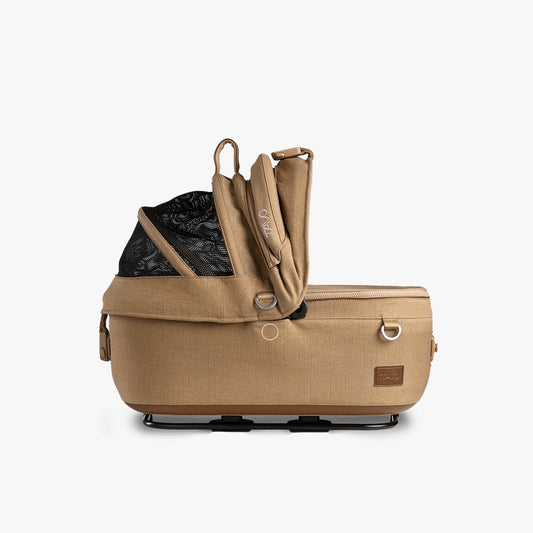
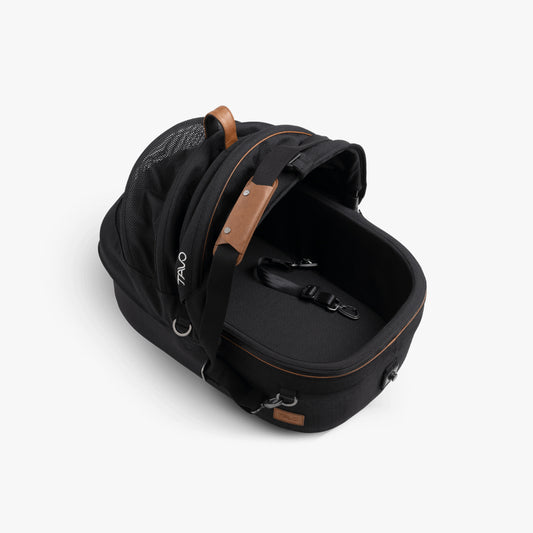
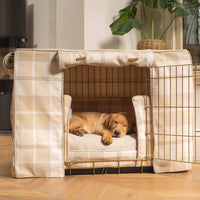
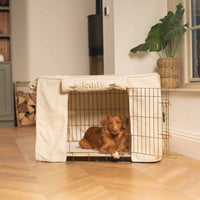
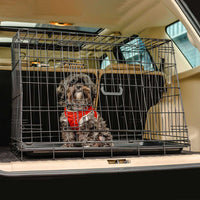
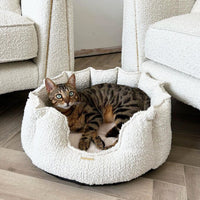
- Design a dedicated comfort zone with something like our cozy calming cage bed in mink boucle, creating a secure retreat where temperature stays just right
Quick Temperature Guide: While most dogs feel great between 68-72°F, smaller breeds, senior pups, and short-coated dogs often prefer things closer to 72°F. When in doubt, watch their behavior—they'll tell you what feels right.
The magic happens when these elements work together, giving your dog options throughout the day. Maybe they want to stretch out on a cool morning, then snuggle deep into blankets by evening. By staying tuned into those subtle signs your dog is cold and responding with thoughtful comfort solutions, you're creating an environment that adapts to their needs naturally, season after season.
The Role of Dog Apparel in Keeping Warm
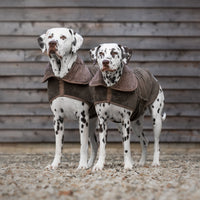
Dog apparel can be a wonderful solution for keeping your pup comfortable indoors, especially if you have a short-haired breed, senior dog, or small companion who naturally runs cold. I know it might seem odd to think about sweaters and coats as indoor essentials, but they're absolute lifesavers when you're trying to figure out how to keep your dog warm without cranking up the thermostat for the whole house.
When choosing indoor clothing for your dog, focus on these key elements:
- Breathable materials like cotton blends or lightweight fleece that provide warmth without turning your pup into a furry furnace
- Proper fit that lets them move naturally—you want snug but not restrictive around the chest and shoulders
- Easy on, easy off design for quick adjustments when they warm up or need potty breaks
- Comfort for extended wear with soft seams that won't irritate sensitive skin during afternoon naps
- Machine washable fabrics because let's be honest, convenience matters in our busy lives
You'll find indoor apparel most helpful in situations that probably sound familiar. Those chilly mornings before your heating system catches up, drafty spots near sliding doors, or when your dog's recovering from illness and needs extra TLC. My friend's senior golden retriever practically lives in her soft fleece sweater during evening hours, while another friend's Italian greyhound needs his lightweight shirt year-round in their air-conditioned apartment.
Think of clothing as one tool in your comfort toolkit rather than a complete solution. Watch how your dog responds—some absolutely love being bundled up, while others prefer warming strategies like heated beds or sunny window spots. The key is finding what works for your specific situation. Quality dog apparel gives you options to experiment with different materials and styles until you discover what makes your pup happiest and most comfortable.
Monitoring and Adjusting: Keeping Your Dog Comfortable Year-Round
Learning to recognize when your dog feels cold indoors becomes instinctive once you start paying attention to their seasonal rhythms. Each dog has their own way of signaling discomfort, and tuning into these cues helps you maintain that perfect cozy atmosphere regardless of what Mother Nature throws your way.
Key monitoring strategies to watch for:
- Check their body language regularly - Notice if they're hunting for warm spots, curling up tighter than usual, or camping out near radiators and sunny windows
- Feel their ears and paw pads - Cool extremities often mean your dog's working overtime to keep their core warm
- Observe their sleeping habits - Chilly dogs often relocate to different spots, burrow deeper into blankets, or seem unusually restless at bedtime
- Watch for behavioral shifts - Extra clinginess, reluctance to leave warm areas, or sudden demands for cuddles can all signal they're feeling the chill
- Monitor their energy levels - Some dogs become less enthusiastic about play or move more deliberately when conserving body heat
Seasonal adjustment strategies:
- Layer their sleeping areas - Extra blankets or a plush bed work wonders during colder months, particularly in their favorite lounging spots
- Create strategic warm zones - Position resting areas away from drafty windows and doors, keeping in mind how your heating affects different rooms
- Adapt routines to weather patterns - When outdoor temperatures make walks uncomfortable, dogs spend more time indoors and may need additional warmth
- Make gradual environmental changes - Dogs adjust better to small tweaks rather than dramatic overhauls of their comfort setup
The best pet parents develop a sixth sense for reading these subtle temperature cues, creating homes where their four-legged family members stay perfectly comfortable through every season's ups and downs.
Taking Action: Simple Steps to Ensure Your Dog's Warmth
Now that you know how to spot the signs your dog is cold and understand their comfort needs, it's time to put this knowledge into action. Start by doing a quick daily temperature check of your home, especially during colder months. I like to do mine first thing in the morning when I'm letting my dog out, just running my hand along the floor where she likes to sleep.
Create a simple routine that works for your lifestyle. Maybe it's adjusting the thermostat before bedtime or moving your pup's bed away from drafty windows when the weather turns chilly. Small changes make a huge difference. If you notice your dog seeking out warm spots repeatedly, consider adding a cozy blanket to their favorite lounging area or investing in a quality dog bed with better insulation.
Keep an eye on how your dog responds to these adjustments. Every pup is different, and what works for a Golden Retriever might not suit a Whippet. Some dogs love curling up in sweaters indoors, while others prefer the freedom of a warm, draft-free corner with a soft blanket.
Remember, creating a comfortable environment for your dog is an ongoing process, not a one-time fix. As seasons change and your dog ages, their needs might shift too. When you're bringing home a new puppy, these comfort considerations become even more important as they adjust to their new environment.
The goal is simple: a warm, happy dog who feels secure and comfortable in their home. Trust your instincts as a pet parent, and don't hesitate to make adjustments when you notice your furry friend needs a little extra warmth.