






How To Clicker Train A Puppy
09.01.23 January 09, 2023 Top Tips

How To Clicker Train A Puppy

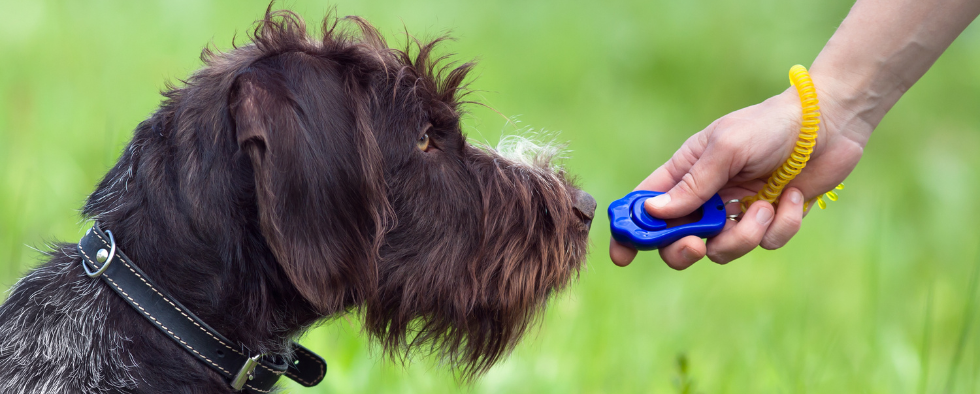
For those of you aware of Pavlov’s dog, you can understand why classical conditioning is an effective training mechanism. Replace Pavlov’s bell with a clicker and use dog treats as a reward for good behaviour and you’re left with the premise of clicker training. Clicker training is a reward-based training method in which a clicker notifies your dog that they have done the right thing. A clicker is a small device that makes a distinct clicking sound. This device is used to form an association with a reward, such as a dog treat or a toy - Police scent dogs will often work for a tennis ball. Whereas at first a reward is always given after a click, over time your dog will eventually begin to interpret the click as a reward in itself for showing positive behaviour. While many people question why they should use a clicker at all instead of a reward, a clicker lets your dog know exactly when they’ve shown the right behaviour, helping them to learn at a faster rate than more traditional training methods. For instance, when you reward your dog with a treat for responding to a sitting command, they have done other things such as stand up by the time they receive their treat. As a result, they can get confused, as they may have misinterpreted the reward for standing instead of sitting. The sound of a click should be implemented while your dog is showing good behaviour, not afterwards. Unlike the traditional method mentioned above, a clicker can mark the exact moment your pet has responded correctly to a command.   When To Start Clicker Training A Puppy You can start to train your puppy as early as eight weeks, however, you should note that the time it takes to train your puppy could depend on their age, temperament, gender and breed. It’s important to not get frustrated if your puppy isn’t learning the commands as quickly as you hoped, for it’s all about repetition and patience. Rely on the positive reinforcement of the clicker and treat and eventually, your puppy will begin to pick things up.   How To Start Clicker Training A Puppy Remember that when it comes to clicker training, timing is everything - click at the exact moment your dog responds correctly to your demand. Also, if the treat you are offering is food, you should cut down the amount of food they consume daily so that they don’t put on weight, you can even use some of their dry food to help them with their training. With that in mind, implement the following steps to clicker-train your puppy: Before starting the training process, you need to teach your dog that the click means a reward. Simply take your dog somewhere quiet (without any distractions), press down the clicker just once and give them a reward immediately after. Do not click if your dog is showing discouraging behaviour. Repeat this process for a few days, in bouts of around two minutes a few times throughout the day. Continue this step until they look at you as if to expect a reward immediately after you click, now you can start to teach them new tricks! Once your dog has associated a click with a reward, you can move on to some basic training. Start with a simple command like sitting down. Hold the thing that motivates your four-legged friend, whether that’s a treat or dog toy, and move it back over your dog’s head slowly. This method is called lying and should make your dog sit back instinctively. Press your clicker as soon as their bottom touches the floor so they become aware of the command they are being rewarded for. Give them their reward immediately after the click.  Once you have succeeded in luring your dog to sit down, add the word ‘sit’ and continue the training with a reward. Each time you lure your dog, say ‘sit’ in a loud but affirmative tone and as you did in Step Two, click and give your dog their treat as soon as their bottom touches the floor. After you have practised this a few times throughout the day, try and command them by saying ‘sit’ without the lure and see if they have learnt the association. Continue doing these exercises in short bursts of up to 10 minutes, although younger puppies may need shorter training sessions. Eventually, your dog will learn to automatically sit when they hear the ‘sit’ command. Once you are confident your dog has learnt to sit properly, start to reduce the number of times you reward your dog with a treat after the click. By now, the click will have become a reward in itself and you won’t need to acknowledge their good behaviour with a treat every time. There you have it - the simple process of click training.    Top Clicker Training Tips Timing is key! - Make sure to click as soon as your dog performs the command so they associate the click with what they've just done Reward every time - when they first start training rewarding every time is key, as they get more advanced you can begin to gamble with treats but to start with consistency is key. Studies have shown the key difference between professional dog trainers and your average pet owners is the number of treats and rewards, professional dog trainers tend to give their dogs many more treats when practising commands with them. Word Association - Saying 'sit' or 'down' won't mean anything to your dog to start with, it will take them time to begin associating the words with the action Keep the treats small - treats are great but you don't want your dog to put on loads of weight either, reducing their food intake or using their dry food as a treat is a great way to reward them and keep their calorie intake down End on a positive note - to keep training fun for both you and your pet make sure to end every session on a positive so even if they haven't quite gotten the hang of everything you've done that day they still go away feeling happy  Phase the treats out - once your pup has mastered a trick start slowly phasing the treats out, they will begin to associate the sound of the click as a reward and won't need the treat every time   How Does Clicker Training Help? Teaching your dog to sit using a clicker is just one example of a command they can learn. There are other behaviours that can be taught with this method and many other training accessories available for your puppy. However, teach your dog only one or two commands at a time and don’t move on until they are fully confident with them. Other examples include: Look - training your dog to look at you. Stay - asking your dog to stay in the same place without moving. Paw - opening your hand and ask your dog to place his paw in it. Lie down - luring your pet into a lying position. Roll over - encouraging your dog to roll over from a lying position Drop - getting your dog to drop something from its mouth. Leave it - getting your dog to move away from something they're about to pick up  Bed - getting your dog on their bed Heel - getting your dog to walk in line with your heel Clicker training provides an easy and efficient way to reward positive behaviours in your dog. Keep in mind that it will take time and keep the sessions short so that it’s an enjoyable experience for both you and your pet.
By Megan Willis

Read more

For those of you aware of Pavlov’s dog, you can understand why classical conditioning is an effective training mechanism. Replace Pavlov’s bell with a clicker and use dog treats as a reward for good behaviour and you’re left with the premise of clicker training.

Clicker training is a reward-based training method in which a clicker notifies your dog that they have done the right thing. A clicker is a small device that makes a distinct clicking sound. This device is used to form an association with a reward, such as a dog treat or a toy - Police scent dogs will often work for a tennis ball. Whereas at first a reward is always given after a click, over time your dog will eventually begin to interpret the click as a reward in itself for showing positive behaviour.

While many people question why they should use a clicker at all instead of a reward, a clicker lets your dog know exactly when they’ve shown the right behaviour, helping them to learn at a faster rate than more traditional training methods.

For instance, when you reward your dog with a treat for responding to a sitting command, they have done other things such as stand up by the time they receive their treat. As a result, they can get confused, as they may have misinterpreted the reward for standing instead of sitting. The sound of a click should be implemented while your dog is showing good behaviour, not afterwards. Unlike the traditional method mentioned above, a clicker can mark the exact moment your pet has responded correctly to a command.


When To Start Clicker Training A Puppy

You can start to train your puppy as early as eight weeks, however, you should note that the time it takes to train your puppy could depend on their age, temperament, gender and breed. It’s important to not get frustrated if your puppy isn’t learning the commands as quickly as you hoped, for it’s all about repetition and patience. Rely on the positive reinforcement of the clicker and treat and eventually, your puppy will begin to pick things up.


How To Start Clicker Training A Puppy

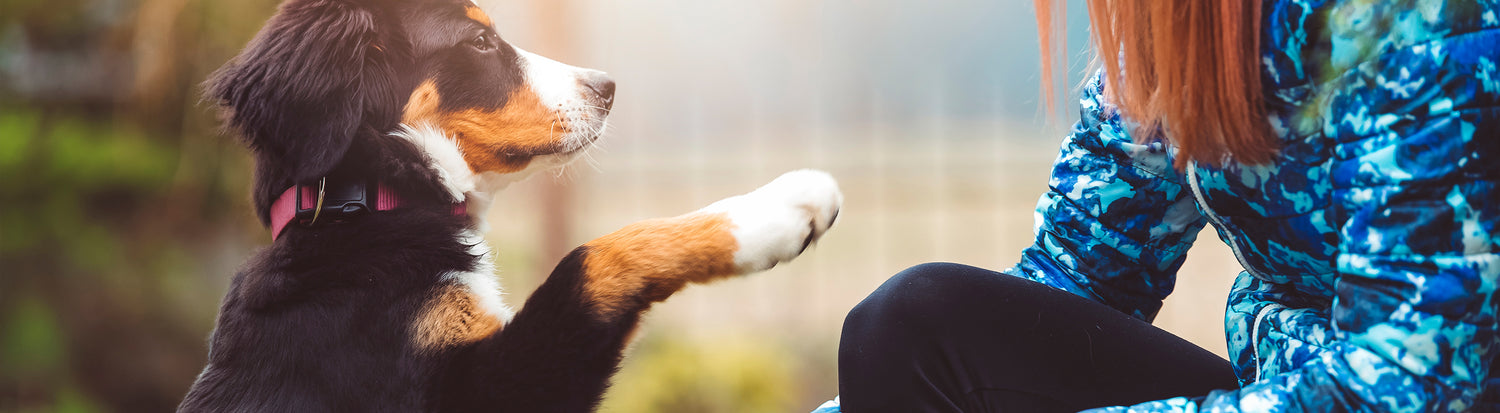
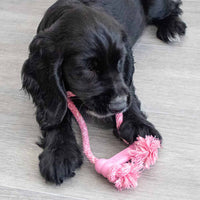
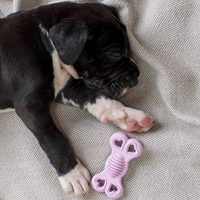
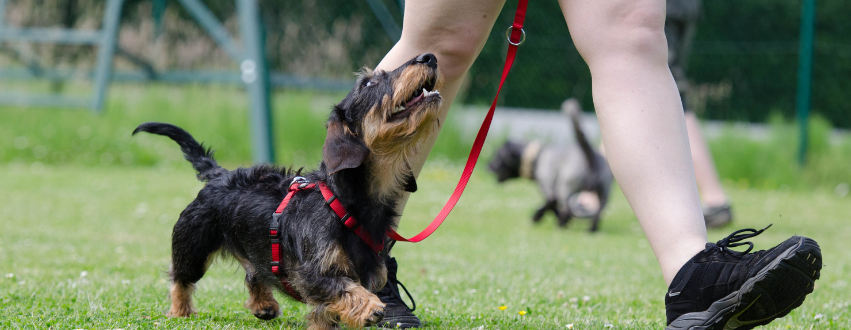
Puppy in a training session

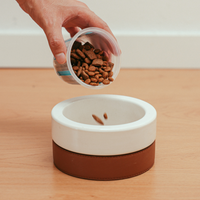
Remember that when it comes to clicker training, timing is everything - click at the exact moment your dog responds correctly to your demand. Also, if the treat you are offering is food, you should cut down the amount of food they consume daily so that they don’t put on weight, you can even use some of their dry food to help them with their training. With that in mind, implement the following steps to clicker-train your puppy:

  1. Before starting the training process, you need to teach your dog that the click means a reward. Simply take your dog somewhere quiet (without any distractions), press down the clicker just once and give them a reward immediately after. Do not click if your dog is showing discouraging behaviour. Repeat this process for a few days, in bouts of around two minutes a few times throughout the day. Continue this step until they look at you as if to expect a reward immediately after you click, now you can start to teach them new tricks!
  2. Once your dog has associated a click with a reward, you can move on to some basic training. Start with a simple command like sitting down. Hold the thing that motivates your four-legged friend, whether that’s a treat or dog toy, and move it back over your dog’s head slowly. This method is called lying and should make your dog sit back instinctively. Press your clicker as soon as their bottom touches the floor so they become aware of the command they are being rewarded for. Give them their reward immediately after the click. 
  3. Once you have succeeded in luring your dog to sit down, add the word ‘sit’ and continue the training with a reward. Each time you lure your dog, say ‘sit’ in a loud but affirmative tone and as you did in Step Two, click and give your dog their treat as soon as their bottom touches the floor. After you have practised this a few times throughout the day, try and command them by saying ‘sit’ without the lure and see if they have learnt the association.
  4. Continue doing these exercises in short bursts of up to 10 minutes, although younger puppies may need shorter training sessions. Eventually, your dog will learn to automatically sit when they hear the ‘sit’ command. Once you are confident your dog has learnt to sit properly, start to reduce the number of times you reward your dog with a treat after the click. By now, the click will have become a reward in itself and you won’t need to acknowledge their good behaviour with a treat every time. There you have it - the simple process of click training. 


Top Clicker Training Tips

  1. Timing is key! - Make sure to click as soon as your dog performs the command so they associate the click with what they've just done
  2. Reward every time - when they first start training rewarding every time is key, as they get more advanced you can begin to gamble with treats but to start with consistency is key. Studies have shown the key difference between professional dog trainers and your average pet owners is the number of treats and rewards, professional dog trainers tend to give their dogs many more treats when practising commands with them.
  3. Word Association - Saying 'sit' or 'down' won't mean anything to your dog to start with, it will take them time to begin associating the words with the action
  4. Keep the treats small - treats are great but you don't want your dog to put on loads of weight either, reducing their food intake or using their dry food as a treat is a great way to reward them and keep their calorie intake down
  5. End on a positive note - to keep training fun for both you and your pet make sure to end every session on a positive so even if they haven't quite gotten the hang of everything you've done that day they still go away feeling happy 
  6. Phase the treats out - once your pup has mastered a trick start slowly phasing the treats out, they will begin to associate the sound of the click as a reward and won't need the treat every time


How Does Clicker Training Help?

Teaching your dog to sit using a clicker is just one example of a command they can learn. There are other behaviours that can be taught with this method and many other training accessories available for your puppy. However, teach your dog only one or two commands at a time and don’t move on until they are fully confident with them. Other examples include:

  • Look - training your dog to look at you.
  • Stay - asking your dog to stay in the same place without moving.
  • Paw - opening your hand and ask your dog to place his paw in it.
  • Lie down - luring your pet into a lying position.
  • Roll over - encouraging your dog to roll over from a lying position
  • Drop - getting your dog to drop something from its mouth.
  • Leave it - getting your dog to move away from something they're about to pick up 
  • Bed - getting your dog on their bed
  • Heel - getting your dog to walk in line with your heel


Clicker training provides an easy and efficient way to reward positive behaviours in your dog. Keep in mind that it will take time and keep the sessions short so that it’s an enjoyable experience for both you and your pet.

Related Products

Related Collections

New Puppy Essentials

At Lords & Labradors, we understand how important it is to provide... 

Puppy Training Accessories

One of the most important parts of a puppy's daily routine will be... 

Next Article
Clumping vs Non-Clumping Cat Litter

Related Articles

  • How to Clean Urine from a Foam Dog Bed
    10.04.26 April 10, 2026 Top Tips

    How to Clean Urine from a Foam Dog Bed

    Foam dog beds and accidents are an inevitable combination. Especially if you share your home with a puppy, a senior dog, or simply a pup who got caught short. The good news is that foam, even the premium memory foam kind, is far more forgiving than it looks. The difference between a bed that comes out fresh and one that's permanently ruined almost always comes down to those crucial first few minutes and knowing which steps to take in which order. Here's exactly how to handle it — from the moment you discover the accident all the way through to a fully clean, dry, odor-free bed your dog will be happy to curl up on again. How to clean urine from a foam dog bed without ruining the filling With the right approach, you can absolutely save that bed and have it smell fresh again, even if it's a beloved memory foam mattress that sets you back considerably. The secret to cleaning urine from a foam dog bed successfully lies in staying methodical rather than panicking and dousing everything with whatever cleaning products you have under the sink. Foam handles proper care beautifully, but it does need a gentler touch since you can't simply toss the whole thing in the washing machine like a regular cushion. This guide covers everything you need: your immediate game plan when you spot that dreaded wet patch, deep-cleaning the foam insert itself, eliminating stubborn odours that signal "toilet" to your pup instead of "cosy bed," and ensuring thorough drying to prevent mold taking hold. Memory foam dog beds get special attention here—these premium fills need extra care but respond wonderfully when treated right. We'll also help you recognise when it's time to retire a bed rather than wage an endless cleaning battle. Sometimes, particularly with older foam or repeated heavy soiling, starting fresh becomes the healthier choice for your dog. Here's the encouraging truth: most accidents are completely salvageable with patience and proper technique. Whether you're dealing with a one-off puppy mishap or your senior dog's occasional leak, that favourite napping spot can be restored to its former glory. What to do first when you find pee on the bed Finding pee on your dog's beloved foam bed can feel overwhelming, but taking the right first steps makes all the difference between a successful clean-up and a lingering mess that haunts you for weeks. Acting quickly and methodically prevents urine from soaking deeper into the foam, where it becomes nearly impossible to remove completely. Here's exactly what to do the moment you discover the accident: Strip everything immediately - Remove any removable covers, blankets, or washable outer layers from the bed. Speed matters here because urine continues spreading through fabric and foam every second it sits. Blot, don't rub - Using clean paper towels or old towels, press firmly into any wet spots to absorb as much liquid as possible. Resist the urge to scrub or wipe, which only pushes urine deeper into the foam's tiny air pockets. Separate washable from non-washable parts - Set aside covers and removable pieces that can go in your washing machine. Keep the foam insert separate since most foam requires different cleaning methods. Check care labels before doing anything else - Some memory foam breaks down with certain cleaners or too much water. A quick label check now saves you from accidentally destroying an expensive bed. Key mistake to avoid: Never immediately soak or saturate the foam with water or cleaning solutions. This drives urine deeper into the material and creates perfect conditions for mold and mildew. I learned this the hard way when my Labrador Max had an overnight accident on his memory foam bed. I panicked and doused the whole thing with water, thinking I was diluting the mess. Instead, I created a soggy disaster that took days to dry and still smelled faintly of pee weeks later. Now that you've contained the situation and separated your materials, you're ready to tackle the actual cleaning process. The specific method depends on whether the foam itself got wet, but these first steps give you the best foundation for whatever comes next. How to clean urine from the foam itself step by step Cleaning foam inserts requires a gentle touch because too much moisture can break down the structure, trap odors deep inside, and create the perfect breeding ground for mold. Memory foam is particularly vulnerable since it's designed to absorb and hold its shape—which unfortunately means it can also absorb and hold those unwanted smells. The key is removing the urine without drowning the foam completely. Blot up fresh urine immediately using paper towels or clean cloths. Press firmly and repeatedly to pull as much liquid as possible from the foam before it soaks deeper. Think of it like pressing water out of a sponge—you want to work quickly while the accident is still surface-level. Check both sides of the foam insert to locate the full affected area. Urine has a sneaky way of seeping straight through, so you'll likely need to treat the entire contaminated section, not just where you can see the stain. Mix your cleaning solution using one part white vinegar to two parts water, or combine a few drops of enzyme cleaner with water in a spray bottle. Skip harsh chemicals that could irritate your dog's skin later—they'll be sleeping on this bed, after all. Spray lightly on the soiled area without creating a soggy mess. You want the solution to penetrate where the urine went, but over-wetting will make drying nearly impossible and could damage the foam's structure permanently. Work the solution in gently using your fingers or a soft cloth. Press and massage the cleaning solution into the foam, focusing on the most heavily soiled spots. You're trying to break up the urine so you can lift it out. Blot with clean, damp cloths to remove the cleaning solution and dissolved urine. This step prevents soap residue from attracting more dirt and odors down the line—trust me, you don't want to create a magnet for future messes. Extract as much moisture as possible by pressing dry towels into the foam. For thick inserts, don't be shy about applying pressure or even standing on the towels. You might need several rounds of this. Do the sniff test once the area is slightly drier. If you still catch a whiff of urine, repeat steps 3-7 before moving on to drying. Memory Foam Alert: Never oversaturate memory foam—it can take days to dry completely and may never bounce back to its original shape. Use minimal liquid and focus on thorough moisture extraction. A fan helps speed things along, but avoid direct heat which can crack or damage the foam. Most accidents clean up beautifully with patience and this method. If the foam still smells strongly after a complete clean and dry, or feels permanently different, replacement might be your kindest option for your dog's comfort. How to get rid of lingering urine smell and stains Once you've tackled the initial mess, it's time to move on to the next challenge: making sure there's no lingering smell or pesky yellow stain on your dog's foam bed. Even when you think you've cleaned it thoroughly, urine crystals might still be hiding deep within the material. Dogs have a nose for these things, so let's ensure they have their comfy spot back odor-free. Here's a step-by-step guide on how to clean urine from a foam dog bed effectively, focusing on neutralizing those odors and stains: Apply enzyme cleaner liberally on the affected area, using your hands to work it into the foam. These specialized cleaners break down the uric acid crystals responsible for that familiar, persistent smell. Give the cleaner around 10-15 minutes to work. This wait time is crucial, so don't rush through it. Allowing the enzymes to do their job can save you from having to clean the same spot over and over again. Sprinkle baking soda over the damp area. This not only helps absorb any remaining moisture but also tackles odors as it dries. Leave it for 2-3 hours, then vacuum thoroughly to remove all traces of the baking soda from the foam surface. Spritz with clean water using a spray bottle, and then gently blot the area with clean towels. This step helps eliminate any remaining cleaner residue. Pro tip: Opt for enzyme cleaners specifically made for pet urine. They contain a blend of bacteria and enzymes that completely break down uric acid crystals, unlike general household cleaners that merely mask the smell temporarily. When using cleaning products, avoid mixing them—particularly vinegar with enzyme cleaners or bleach with ammonia-based products, as these can neutralize each other or even create hazardous fumes. Lastly, ensure the foam dries completely before letting your dog use the bed again. Damp foam can encourage mold growth and exacerbate those unwanted urine odors instead of getting rid of them. For more tips on maintaining your dog's bed, check out our guide on dog bed care. Drying the bed properly so mould and smells do not come back After you've tackled the cleaning process, proper drying becomes absolutely critical to your success. Even the most thorough cleaning job falls flat if moisture gets trapped inside the foam, creating the perfect breeding ground for mold and bacteria that will bring those unpleasant smells right back. Think of drying as the final step that locks in all your hard work. Here's how to dry your foam dog bed completely: Position the foam in a well-ventilated area with good air circulation—ideally outdoors on a covered porch or near open windows if weather permits. Place clean towels underneath and on top of the foam initially to absorb excess moisture, replacing them when they become saturated. Ensure airflow reaches both sides by propping the foam on a drying rack, clean outdoor furniture, or rotating it every few hours. Use fans or a dehumidifier to speed the process, especially in humid conditions or during winter months. Allow 24-48 hours for complete drying, depending on foam thickness and weather conditions. Avoid direct sunlight or heat sources like radiators, which can break down foam structure over time. Quick Drying Test: Squeeze the center of the foam gently. If it feels cool, heavy, or releases any moisture, it needs more time. Completely dry foam should feel light and spring back immediately. While your bed dries, set up a temporary sleeping area using spare blankets or a backup bed. Your dog won't mind the temporary arrangement, and you'll thank yourself for the patience later. Many pet parents find that waterproof mattress protectors under the regular cover make future cleanups much easier. This waiting period might feel long, but rushing back to a damp bed will undo all your efforts and potentially create bigger problems down the road. When to replace the bed and how to make the next clean-up easier Sometimes even the most thorough cleaning can't bring a foam dog bed back to life. If your pup has had multiple accidents on the same bed, or the foam has started breaking down into crumbly pieces, it's time to say goodbye. Persistent odours that return even after deep cleaning usually mean urine has penetrated too deeply into the foam's structure to ever fully eliminate. You'll also want to replace beds where the foam has lost its shape or developed permanent staining that won't budge. Memory foam beds are particularly tricky since their dense structure traps odours more stubbornly than regular foam. If you're dealing with an elderly dog or a puppy still learning house training, a bed that's weathered several accidents might simply become unhygienic to keep. Making future clean-ups easier starts with choosing the right bed design. Look for beds with removable, machine-washable covers that zip off completely. Waterproof liners between the cover and foam create an extra barrier against accidents—think of them as insurance for your sanity. Some pet parents swear by placing a waterproof mattress protector under the entire bed for added peace of mind. When shopping for your next bed, consider how you'll clean urine from the foam dog bed before you even bring it home. Beds with memory foam inserts that can be removed entirely make the whole process much simpler. Multiple cover options mean you can rotate them during washing, so your pup always has a clean, dry spot to curl up. The key is being proactive rather than reactive. A little prevention goes a long way toward keeping both you and your dog happy when accidents happen. Because let's be honest. If you have a dog long enough, they absolutely will happen.  

    By Adele Busby

    Read more
  • Orthopaedic Dog Beds: Are They Worth It?
    01.09.25 September 01, 2025 Health

    Orthopaedic Dog Beds: Are They Worth It?

    When it comes to giving our dogs the very best in comfort and care, their bed is one of the most important investments we can make. While any soft cushion might seem like enough, for certain dogs, especially seniors or breeds prone to joint issues an orthopaedic dog bed can make a world of difference. But are they really worth it? Let’s explore the benefits, the dogs who need them most, and what to look for in the best dog bed for arthritis and joint support. What Is an Orthopaedic Dog Bed? An orthopaedic dog bed is designed with supportive materials such as memory foam or high-density foam, which contour to your dog’s body. Unlike traditional beds, these don’t simply flatten under pressure. Instead, they distribute your dog’s weight evenly, reducing strain on sensitive joints, hips, and muscles. For dogs with arthritis, hip dysplasia, or recovering from surgery, this type of support can be invaluable. But many younger and active dogs benefit too, as it helps prevent wear and tear over time. Benefits of Orthopaedic Dog Beds  Pain Relief for Senior Dogs - As dogs age, their joints naturally become stiffer. Arthritis is particularly common in older dogs, and getting up and down from hard or unsupportive surfaces can become uncomfortable. An orthopaedic dog bed cushions their joints, making resting and rising easier. Support for Breeds Prone to Joint Problems - Certain breeds are genetically more likely to develop joint issues. Large dogs such as Labradors, German Shepherds, and Golden Retrievers are especially prone to hip dysplasia and arthritis. For these breeds, an orthopaedic dog bed isn’t just a luxury, it’s a proactive step to support their health. Improved Sleep Quality - Just like humans, dogs need deep, restorative sleep. When their body is properly supported, they are less likely to toss and turn. A well-rested dog is a happier, healthier dog. Prevention of Pressure Sores - Dogs that lie for long periods whether due to age, illness, or limited mobility, can develop pressure sores on hard surfaces. Orthopaedic foam reduces this risk by spreading weight evenly and minimising pressure points. Long-Term Investment - Although an orthopaedic dog bed is usually more expensive than a standard cushion, its durability and health benefits make it a cost-effective choice. Quality foam won’t sag or flatten quickly, meaning you won’t need to replace it as often. Orthopaedic vs. Standard Dog Beds: What’s the Difference? To help decide whether an orthopaedic dog bed is worth the investment, here’s a side-by-side look: Feature Standard Dog Bed  Orthopaedic Dog Bed Filling Polyester stuffing, fibre, or basic foam Memory foam or high-density foam layers Support Can flatten over time, offering uneven support Even weight distribution, contours to body Joint Care Minimal – may aggravate arthritis or joint pain Reduces pressure on joints, ideal for arthritis Durability May lose shape quickly Designed to last longer without sagging Price Lower initial cost Higher cost but long-term value Best For Young, healthy dogs with no mobility issues Senior dogs, large breeds, or those with arthritis This comparison shows that while standard beds are suitable for many younger, healthy dogs, orthopaedic beds are the clear winner when it comes to comfort, joint care, and longevity. What Materials Are Used in Orthopaedic Dog Beds? The best orthopaedic dog beds are made from memory foam, which adapts to your dog’s shape and returns to its original form after use. High-density foam layers are often combined with memory foam to provide extra firmness and stability. Other features to look for include: Removable, washable covers – essential for hygiene. Water-resistant liners – to protect against accidents or spills. Raised edges or bolsters – perfect for dogs who like to rest their heads while still supporting their joints. Is an Orthopaedic Dog Bed Worth It? For dogs with arthritis, joint problems, or in their golden years, the answer is almost always yes. These beds can significantly improve comfort and quality of life, helping your dog stay mobile and pain-free for longer. Even if your dog is still young and sprightly, investing in a supportive bed now can help protect their joints as they age. Think of it as preventative care, just as you’d choose a supportive mattress for yourself. Choosing the Best Dog Bed for Arthritis When shopping for the best dog bed for arthritis, consider the following: Size: Ensure your dog can stretch out fully without hanging off the edges. Thickness: The thicker the foam, the better the support—ideally at least 4 inches. Ease of cleaning: Removable covers make life much easier. Design: Flat beds are best for dogs with severe mobility issues, while bolstered beds suit those who like extra head support. At Lords & Labradors, we offer a range of orthopaedic dog beds crafted with comfort, support, and style in mind, so you don’t have to compromise between practicality and luxury. Overall… An orthopaedic dog bed is more than just a comfy place for your pet to snooze. For senior dogs, those with arthritis, and breeds prone to joint problems, it’s a vital part of their care. The right bed can ease pain, improve sleep quality, and protect long-term joint health, making it a truly worthwhile investment. If you’re ready to give your dog the restful sleep they deserve, explore our collection of orthopaedic dog beds at Lords & Labradors, where comfort and quality go paw in paw.

    By Emily Sawer

    Read more
  • Dog Crate Training 101: Tips for a Happy, Calm Pup
    01.09.25 September 01, 2025 Owning a Dog

    Dog Crate Training 101: Tips for a Happy, Calm Pup

    For many dog owners, the idea of putting their beloved pup in a crate can feel a little daunting. But when introduced correctly, a crate is not a punishment, it’s a safe haven. Dogs are den animals by nature, and the right crate can become their personal sanctuary: a cosy, secure space to rest, sleep, and relax. In this guide, we’ll explore how to crate train a dog step by step, share essential crate training tips, and highlight a few accessories that can make the process smoother and more comfortable for your four-legged friend. Why Crate Training Matters Crate training offers countless benefits, both for you and your pup: Safety & Security: Keeps your dog safe when you can’t supervise them. House Training: Encourages bladder control and helps prevent accidents indoors. Travel-Friendly: A crate-trained dog feels calmer on journeys, whether in the car or at the vet. Personal Space: Gives your dog somewhere quiet to retreat when they need downtime. When approached positively, a crate becomes a comforting place your dog chooses voluntarily, not a space they associate with being locked away. Choosing the Right Crate Before diving into training, selecting the right crate is essential. Size Matters: Your dog should be able to stand up, turn around, and lie down comfortably. Too small is restrictive; too large can encourage toileting accidents. Material Choices: Wire crates are durable and well-ventilated, plastic crates feel cosy and enclosed, and fabric crates are lightweight for travel. Add Comfort: A soft crate mat, plush bedding, or an orthopaedic insert makes the crate more inviting. Crate covers can also help reduce stimulation and create a calm, den-like environment. How to Crate Train a Dog: Step-by-Step Step 1: Introduce the Crate Slowly Place the crate in a busy but calm area of the home, such as the living room. Keep the door open and allow your pup to explore at their own pace. Toss in a few treats or toys to create positive associations. Step 2: Build Positive Associations Feed your dog meals in the crate, gradually encouraging them to spend more time inside. A special chew or favourite toy reserved just for crate time can work wonders. Step 3: Short Sessions First Begin with just a few minutes of crate time while you’re at home. Gradually increase the duration as your dog becomes more comfortable. Always reward calm behaviour with praise or treats. Step 4: Extend Time Gradually Work up to leaving your pup crated while you step out briefly. Avoid making departures or arrivals too dramatic—this helps prevent anxiety. Step 5: Crating Overnight Once your dog is comfortable during the day, you can try crating overnight. Many puppies prefer having the crate in your bedroom at first to feel reassured. Crate Training Tips for Success Never Use the Crate as Punishment: It should be a happy place, never a “time-out zone.” Patience is Key: Some dogs adapt quickly, others take weeks. Go at your pup’s pace. Exercise First: A tired dog settles more easily, so ensure they’ve had a walk or play before crate time. Use Cue Words: Teach a command like “bed” or “crate” to help them associate the word with going inside. Consistency Matters: Stick to a routine so your pup knows what to expect. Common Challenges (and Fixes) Whining or Barking: If your pup cries, resist rushing to them immediately. Wait until they’re calm before opening the door, so they don’t learn that whining equals freedom. Chewing the Crate: Provide a safe chew toy to keep them occupied. Reluctance to Enter: Make the crate more inviting, try a cosy blanket, familiar scent, or a treat-dispensing toy. Making the Crate a Home Accessories can turn a crate from a metal box into a proper haven: Crate Mats & Bedding: Provide cushioning for joints and a snug sleeping surface. Crate Covers: Help block out light and noise, creating a calm den-like retreat. Toys & Chews: Keep your dog occupied and happy during crate time. These little additions make a big difference in helping your dog view the crate as their safe, comfortable space. Final Thoughts Learning how to crate train a dog takes patience, consistency, and lots of positivity, but the payoff is enormous. A crate-trained pup is calmer, happier, and more adaptable in everyday life. With the right crate training tips, and the addition of soft mats, cosy covers, and comforting accessories, you can turn your dog’s crate into a cherished den they’ll love to spend time in. At Lords & Labradors, we stock a wide range of luxury dog crates, crate mats, and accessories to help you on your training journey. Explore our collection and give your pup the perfect combination of security and comfort.

    By Emily Sawer

    Read more
  • Dog Crate Size Guide: Find the Perfect Fit for Your Breed
    11.08.25 August 11, 2025 Owning a Dog

    Dog Crate Size Guide: Find the Perfect Fit for Your Breed

    Choosing the right crate for your dog is more than just picking the right size, it’s about creating a safe, comfortable space your pet can call their own. Whether you're crate training a new puppy, helping your adult dog settle into a routine, or providing a calm retreat for an anxious pooch, the size and type of crate matters. In this UK dog crate size guide, we’ll help you determine what size dog crate your breed needs, how to measure for the perfect fit, and what features to look out for. Let’s make crate shopping simple and stress-free! Why Crate Size Matters A crate that’s too small can feel cramped and uncomfortable. On the other hand, a crate that’s too large might make your dog feel insecure, especially during training, when you want to discourage accidents and help them settle. Here’s what the perfect crate should allow your dog to do: Stand up without crouching Turn around comfortably Lie down and stretch out fully For growing puppies, it’s often best to buy a larger crate, so they can grow into the space! How to Measure Your Dog for a Crate Before browsing crates, grab a tape measure and note the following: Length: Measure from the tip of the nose to the base of the tail (not the tip). Height: Measure from the ground to the top of your dog’s head (or ears if upright). Width: This generally follows suit, but ensure there’s room for your dog to turn and stretch. Add 5–10cm to each measurement to ensure a comfortable fit, especially for puppies or breeds prone to stretching out. Dog Crate Size Chart (UK) Below is a general crate size guide, with approximate measurements and breed examples to help you find the right fit. Tip: Always consider your dog’s individual size and build, as not all dogs of the same breed are identical, especially if they are a cross breed.  Breed-by-Breed Crate Size Recommendations Here’s a quick-reference list for popular UK dog breeds: Cockapoo – Large  Labrador Retriever – X Large  French Bulldog – Medium  Border Terrier – Medium  Cavapoo – Medium  Golden Retriever – Extra Extra Large  Springer Spaniel – Large  Miniature Dachshund – Medium  Staffordshire Bull Terrier – Large  German Shepherd – Extra Extra Large  Remember: if you’re still unsure, go one size up. It’s always better to have more space than less! Crate Types & Features to Consider Once you’ve settled on the right size, think about the type of crate and extra features that might suit your lifestyle: Metal wire crates: Great for ventilation and visibility; ideal for indoor use and training. Plastic travel crates: Better for travel, especially by car or plane. Soft fabric crates: Lightweight and foldable, but not ideal for chewers or crate training. Furniture-style Wooden Dog Crates: Blend into home décor and double as stylish side tables. Look for crates with: Removable trays for easy cleaning Multiple doors for flexible placement Soft crate mats or beds for comfort Crating Comfortably: Bedding Matters Even the perfect size crate needs the right bedding. A soft crate liner or supportive dog bed makes all the difference — especially for puppies, seniors, or dogs recovering from injury. Consider temperature too: fleece mats for winter, or breathable cotton covers for warmer months. At Lords & Labradors, our handpicked selection of crate cushions, mats, and bedding options are tailored to fit our luxury dog crates beautifully — so your pup sleeps like royalty, wherever they are. Final Tips: What Size Dog Crate Is Best? Measure first – use your dog’s size, not just their breed. This is key! Think ahead – allow room for growth in puppies Comfort is key – soft bedding and security go hand-in-hand Don’t forget lifestyle – if you travel often, look for crates suited to transport Create the Perfect Crate Setup with Lords & Labradors Ready to find the perfect crate for your pooch? Explore our beautifully crafted dog crates, crate bedding, and crate accessories, all designed with both luxury and practicality in mind. Whether you’ve got a teeny Terrier or a gentle giant, we’ve got everything you need to create a safe, stylish space they’ll adore.

    By Emily Sawer

    Read more

loyal customer in 17 countries

Why Shop With Us?

  • Free Delivery

    Orders over £75 qualify for free standard UK delivery. Orders under £75 will be calculated at the checkout.

  • Shopping Made Easy

    Gain exclusive access to sales and shop all your pets favourites on the go by downloading our app.

  • Designed in the UK

    Our own brand products are lovingly designed in our specialist UK workshop to our exacting standards.

  • We're Here For You

    Contact our Pet Experts weekdays 9am - 5pm on +44 (0) 1790 720900 or sales@lordsandlabradors.co.uk