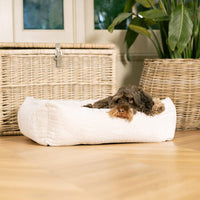
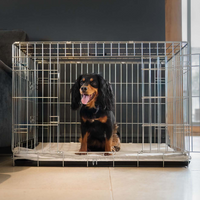
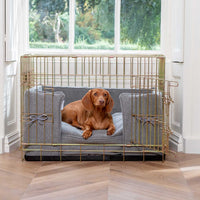
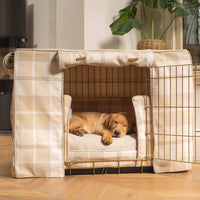
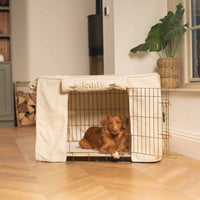
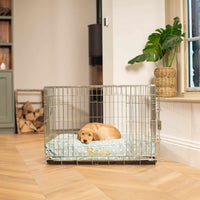
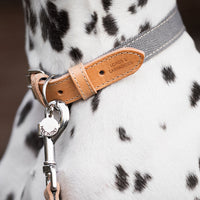
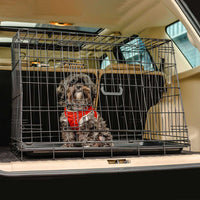
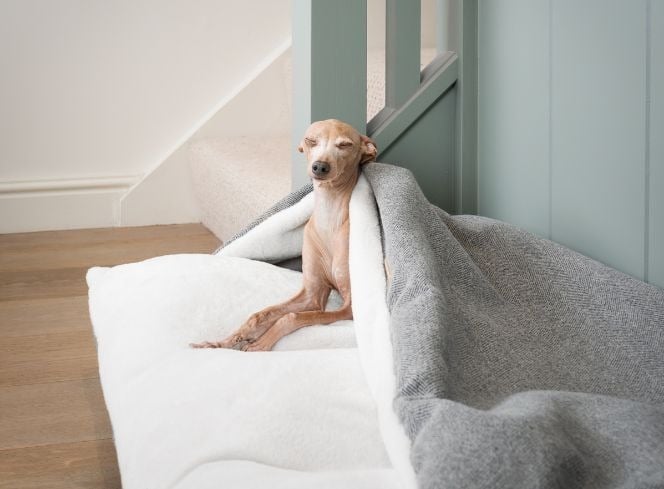
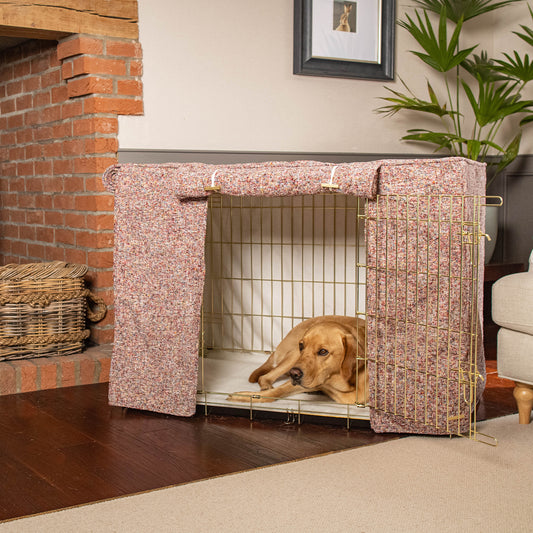
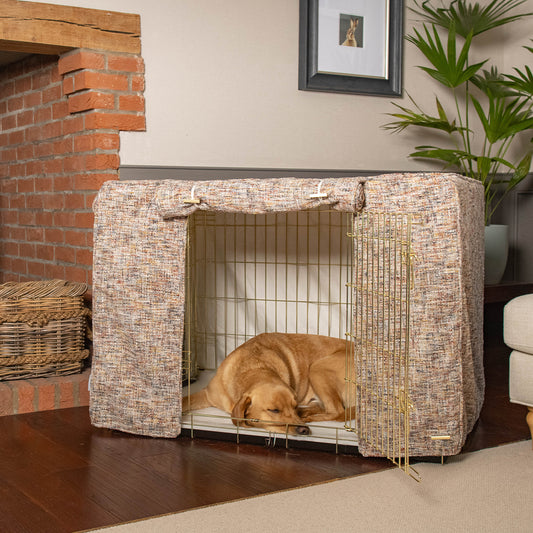
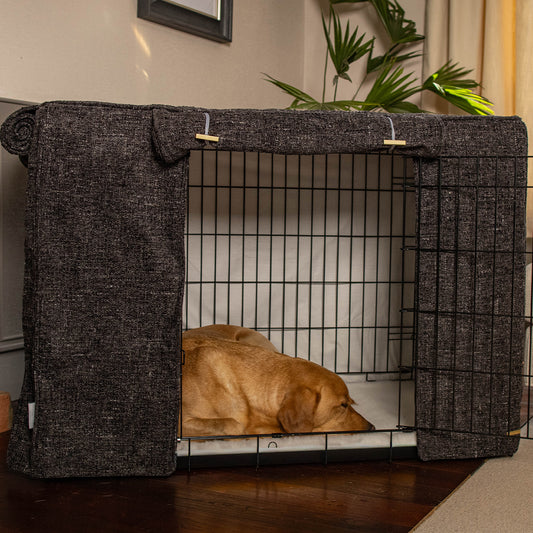
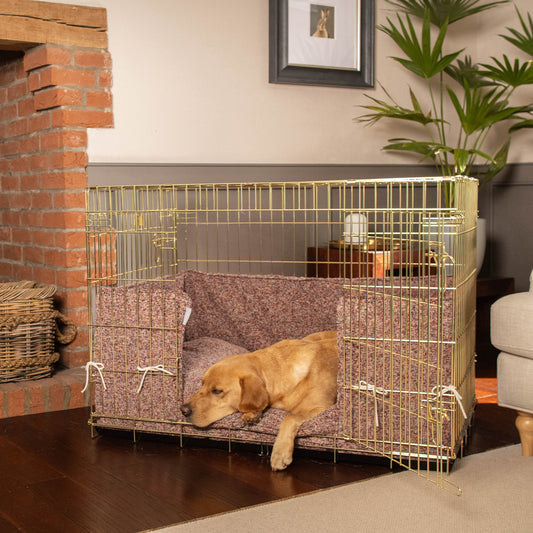
Did you know dogs spend 12 to 14 hours a day sleeping? That's a lot of time in bed so it's no surprise that their bed might be looking a little worse for wear. Dogs are creatures of comfort so making sure they have a a clean and supportive bed is essential for their overall well-being. In this guide, our Pet Experts explore the signs that indicate it's time to change your dog's bed and share expert tips on how to care for your canine's cherished sleeping spot.
How Often Should You Replace Your Dog’s Bed?
Determining how often to replace your dog's bed depends on several factors including the quality of the bed, your dog's size and activity level, and any specific health considerations. As a general guideline, it's advisable to replace your dog's bed every 1 to 3 years, or sooner if signs of wear and tear become noticeable.
Signs It's Time to Change Your Dog's Bed:
Visible Wear and Tear: Over time, your dog's bed may start showing signs of wear and tear, such as flattened cushions, lumps, or torn fabric. If you notice any significant damage, it's a clear indication that it's time to consider a replacement.
Lingering Odours: Despite regular cleaning, dog beds can accumulate odours over time, especially if your furry friend enjoys outdoor adventures or has accidents indoors. Lingering smells that persist even after washing could signal the need for a new bed.
Loss of Support: Just like humans, dogs require proper support for their joints and muscles, especially as they age or if they have existing health conditions. If your dog's bed no longer provides adequate support or has become too soft, it's time to invest in a new one to ensure their comfort and well-being. It might be worth investing in an orthopaedic dog bed if your dog’s breed is prone to joint issues.
Allergies and Skin Irritations: Dogs can develop allergies or skin irritations from prolonged exposure to dust mites, pet dander, or other allergens that accumulate in their beds over time. If you notice your dog scratching more than usual or experiencing skin issues, a new bed with hypoallergenic materials may offer relief.
Preference for Alternative Sleeping Spots: Dogs are creatures of habit, and if you notice your furry friend opting for alternative sleeping spots around the house instead of their bed, it could indicate that they're no longer comfortable or satisfied with their current sleeping arrangements. It’s worth looking at how your dog likes to sleep so you can get the best bed shape to suit their sleeping style, our Information Hub has a guide on how to choose the perfect dog bed for your dog.
Top Ways to Care for Your Dog's Bed:
Regular Washing: Establish a routine for washing your dog's bed to remove dirt, hair, and odour-causing bacteria. Most of our Lords & Labradors dog beds are machine washable, we have a handy guide on how to wash your dog’s bed here.
Use a Removable Cover: Opt for dog beds with removable, machine-washable covers for easy cleaning. Having a spare cover on hand allows you to swap them out while one is being laundered, ensuring your pup always has a fresh and clean place to sleep. We also sell bamboo bed covers which are great for popping over your dog’s bed to help keep them clean especially after a muddy dog walk, they will act as an additional layer of defence against moisture and stains, extending the life of the bed!
Vacuum and Spot Clean: In between washings, use a handheld vacuum or lint roller to remove hair and debris from the surface of the bed. Spot clean any stains or spills promptly to prevent them from setting into the fabric.
Rotate and Fluff: Just like flipping a mattress, periodically rotate your dog's bed to distribute wear evenly and prevent premature sagging. Fluffing the bed's filling helps maintain its loft and support over time.
Sun and Air Dry: On sunny days, take advantage of natural sunlight by airing out your dog's bed outdoors. Sunlight helps eliminate odours and kills bacteria, leaving the bed feeling fresh and revitalised.
Inspect Regularly: Take time to inspect your dog's bed for any signs of damage, loose seams, or worn-out stuffing. Promptly address any issues to prevent further deterioration and ensure your pup's safety and comfort.
By recognising the signs that it's time to change your dog's bed and implementing proper care and maintenance techniques, you can provide your furry friend with a clean, comfortable, and supportive sleeping environment. Remember, a happy and well-rested pup makes for a happier pet parent too!
If you’re looking to upgrade your dog’s bed why not check out our collection of luxury dog beds? Bedding is our speciality, we design and craft all of our bedding here in our Lincolnshire workshop so you can be sure your dog will be getting the best sleep possible in one of our luxury dog beds.
The Importance Of Correct Nutrition For Dogs And Cats!
Ensuring optimal nutrition for our beloved pets is paramount for their overall health and well-being. As responsible pet owners, it is crucial to understand the significance of providing nutritionally complete and balanced meals to our furry friends. In this comprehensive guide, we will delve into the world of dog and cat nutrition, exploring the importance of the right food choices, nutritionally complete homemade recipes, and the best commercial options available.
Understanding Dog and Cat Nutrition
Your pet's nutrition plays a pivotal role in their vitality and longevity. Just like humans, dogs and cats require a balanced diet that fulfils their specific dietary needs. A well-rounded diet supports their immune system, maintains a healthy weight, and promotes optimal organ function. Pet food ranges from being more processed to being raw and rich in natural ingredients, finding the right fit for your pet is important!
Dog Food Nutrition
Choosing the right dog food is a key aspect of canine care. With an abundance of options available, it's essential to prioritise nutritionally complete choices. To make an informed decision, consider using a dog food nutrition calculator and comparing different products. Look for the best nutritional dog food that meets your pet's unique requirements, taking into account factors such as breed, size, and age. Our favourite nutritionally rich dog foods are Orijen, Carnilove and Acana, they are all designed with your dogs nutrition in mind.
Dog Nutrition Facts and Guide
Understanding dog nutrition facts is imperative for providing the best care. Refer to a dog food nutrition guide to navigate through the plethora of choices available in the market. Learn about your dog's daily nutritional requirements and make informed decisions that contribute to their overall health and happiness.
Cat Food Nutrition
Cats, being obligate carnivores, have unique nutritional requirements. The best cat food for nutrition considers their need for high-quality protein and essential nutrients. Explore dry cat food nutrition labels to ensure your feline friend receives a balanced diet that supports their specific dietary needs. For a cat food which is high in protein and great for fussy felines we love Carnilove, they all have at least 80% wild origin meat content and contain No grains, potatoes, GMO, soy, sugar, preservatives or colourants.
Daily Nutritional Requirements for Cats
Cats require a carefully balanced diet to thrive. Knowing the daily nutritional requirements for cats is essential for choosing the right cat food. Consult with your vet to understand the specific needs of your cat, such as the importance of taurine and other essential nutrients crucial for their health.
In conclusion, the importance of correct nutrition for dogs and cats cannot be overstated. Whether choosing commercial options or crafting homemade recipes, prioritising nutritionally complete meals is key to ensuring your pet's health and happiness. Stay informed about dog and cat nutrition, consult with professionals, and make choices that align with your pet's unique requirements. By providing the best nutritional dog food or cat food, you contribute to a longer, healthier life for your furry companions. Here at Lords & Labradors we have a large range of both cat and dog food so you can pick the best option for you and your pet
Crate training is an important part of settling in a new puppy. A crate provides a safe, quiet space for your pup and will help them to get used to their nighttime routine and with toilet training. A dog crate can be made into a cosy den that will be loved by your new four-legged friend for a lifetime. In this article we will explain the best crate set-up for puppies, how to change the set-up as they grow up and also how to look after your crate and crate bedding.
How To Make The Perfect Crate Set-Up For A Puppy
Crate training your puppy will have lots of advantages, helping them to settle and feel safe in their home as well getting them into a consistent bedtime routine. The perfect crate for a puppy will feel safe, warm and cosy. It’s important that it’s inviting so that they feel compelled to use it.
With this in mind we’d suggest the following items:
Crate Cover
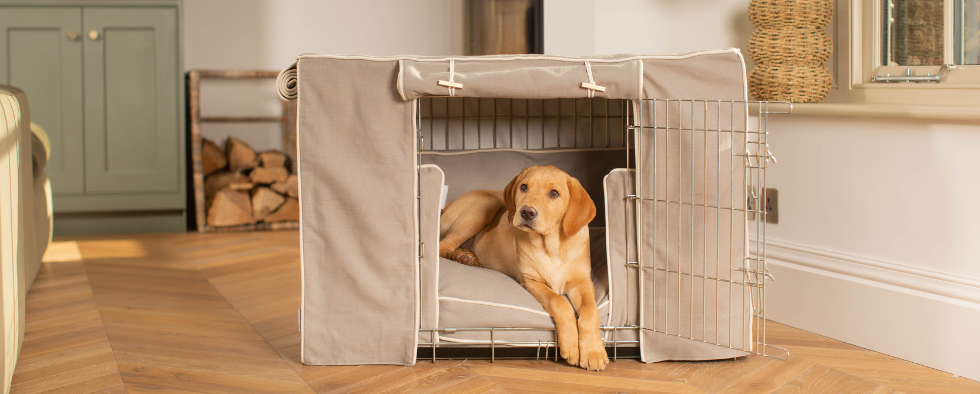
[product]Crates in their basic form can be rather draughty and a little bit unsightly! A crate cover will not only make the crate look stylish, but it will make the crate feel cosy inside. Our crate covers feature roll down doors which can be lowered when it’s time for bed. Puppy will soon learn when they should be sleeping (doors rolled down) and when it’s time to get up (doors rolled up). Our crate covers come in a range of fabrics which have been designed to match your home and they're all machine washable, making them brilliant for puppies!
Cosy & Calming Puppy Crate Bed
[product]
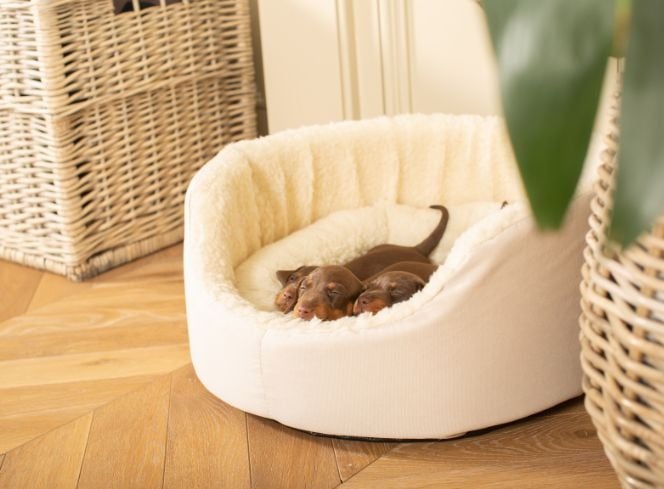
Our cosy and calming beds have been designed with crate training in mind. Each size is made to fill exactly one half of the corresponding crate size. So if you have a small crate for a Chihuahua for example, the small bed will fit in exactly one half of the crate. This then leaves room for a puppy pad in the other half along with a bowl for water. They come in a range of our printed cotton fabrics and feature a reversible cushion pad inside - one side covered in super plush sherpa!
Puppy Pads
Whilst we don’t want to encourage puppies to pee in the crate, it’s also important to note that they can’t hold themselves for very long at all. Whilst you will be able to take them outside at regular intervals during the day, this may not be the case at night. When you put them to bed, putting a puppy pad in one half of the crate will help to stop any accidents from dirtying their bed or crate tray.
Crate Bowls
Puppies will need access to water at all times and a crate bowl is a brilliant accessory as it can be fastened to the crate walls. This will ensure it doesn’t get tipped over or knocked like a standard bowl might.
The Perfect Crate Set-Up For An Adult Dog
As your dog becomes toilet trained and they begin to need the full space of the crate for their bed, you will need to consider swapping out the puppy accessories for their proper adult bed. At Lords & Labradors we specialise in crate bedding that will make your dog’s den look stunning as well as super comfortable inside.
Crate Cushion
Our crate cushions are designed to fit our crates perfectly. They come in a range of fabulous fabric designs from luxurious tweeds to printed cottons. There really is something to suit every taste and home.
Crate Bumper
Crate walls aren’t the most comfortable things to snuggle up to, and if your dog likes to curl in the corner of their bed, they will need something other than metal bars! That’s where our fabulous bumpers come in. They sit around the edge of the crate cushion and create a spongey layer of warmth around the walls. Perfect for snuggling up in the corner when nap time calls!
Crate Cover
Our crate covers are perfect for setting a routine with your dog, when the doors are rolled down it will signal to them it's time to sleep. Our crate covers are fully lined to help keep light out and come in matching fabrics to our bumpers and cushions to you can be sure crate will look stylish!
Crate Set Aftercare and How To Clean A Crate
With a little love and care your crate set will last a long time. Here we detail how to look after your crate set:
The Crate - The crate is made of sturdy metal and is really easy to keep clean. Our crates are easy to wipe clean and the tray is removable so you can get into the corners properly. It’s really important to make sure the crate is completely dry before setting back up and allowing your pet back in, we recommend drying your crate to avoid any rusting.
Lords & Labradors Cushion & Bumper Covers - For our bedding from our core collection you will be able to remove the covers on the cushions and bumpers. Turn the cover inside out and machine wash on a 20 degree gentle cycle. Allow the covers to air dry (do not tumble dry). Once dry return the inner cushion to the cover.
Essentials Plush Collection Bumpers & Cushions - Our bumpers and cushions from the Essentials Plush Collection don't have removable covers, we recommend spot washing your essentials plush bumpers and cushions.
Lords & Labradors Crate Covers - Our crate covers are all machine washable on a 20 degree gentle cycle, apart from our oil cloth crate covers. After washing, we recommend air drying your crate cover over your crate to help keep it in shape and to make sure it doesn't shrink. A cool iron on the reverse of the cotton fabrics is fine if necessary, but often they won’t even need that. Our tweeds and Savanna fabrics are super fast drying and they will come out of the spin almost dry. Just give them an air and they’ll be ready to use again in no time at all!
Cushion and bumper inners - The cushion and bumper inners are protected by waterproof interlinings, so won’t need washing. This will preserve the inner fillings. The waterproof liners are wipe clean. If they become soiled, simply wipe down with a mild pet-safe detergent and they’ll be as good as new again.
Cosy and Calm Puppy Bed - Our puppy beds are fully machine washable. You can put the whole bed in the machine and wash on a 20° cycle. When removed, simply shake and plump the cushion back into shape and leave to air dry.
Follow these simple steps and your crate sets will last and look stunning for years to come!
We’re getting to that time of year again where we’re travelling more with our pets to the beach, staycations and even trips to a different location for a long walk. No matter how long the journey - even if it’s a trip to the local vets - you should ensure your dog is properly restrained and safe to travel. Here in the UK it’s the law when travelling by car your dog needs to be restrained. In this blog, we breakdown how to travel safely with your pet.
What Is The Law With Dogs In Cars?
The Highway Code states in their Rules about Animals, when in a vehicle, dogs are to be suitably restrained so they cannot distract you while you’re driving or injure you, or themselves, if you should need to stop quickly. If you were in an accident caused by your dog distracting you whilst you were driving, this could be considered as ‘dangerous driving’. It’s also good to check your insurance policy, as car insurance providers may require you to restrain your pet.
Is It The Law To Restrain A Dog In A Car?
It is the law to restrain your dog when travelling in your car. So as fun as it is for your pooch to sit with their head out of the window, they must be suitably restrained so they cannot distract you and potentially hurt either you or themselves. When it comes to where your dog should be when travelling, although there are no laws against your dog travelling in the footwell of the car, unfortunately they would not be properly restrained and if you did have an accident, you may be prosecuted for ‘dangerous driving’.
When choosing where your dog should be properly restrained, no matter what method you choose, your dog should not sit in the front seat - securing them in the boot or back seat behind a front seat is considered a safer option.
How To Secure A Dog In The Car
There are many safety products you can choose from, which can help with travelling safely in the car. It’s most important you choose a solution that’s suitable and comfortable for your pooch, and it has been installed and executed correctly to ensure the safety of your pet. Here at Lords & Labradors, we’d recommend the following for safe travel.
Dog Carriers
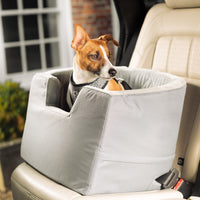
Our pet carriers come in different sizes and weights which will vary for the suitability for you and your dog. It’s a lighter option to our metal crates and are easily packed away if you’re staying away from home. Carriers are great when travelling by car and when taking your dog from the car into a safe place to let them out and stretch their legs. They keep your pooch safe and settled whilst travelling.
Travel Harnesses
Our pet-friendly harnesses come in a variety of sizes, suitable to your dogs breed and size. Travel harnesses are easy to fit onto your dog and it’s quick to clip them into place. They’re specially designed to prevent your dog from moving around whilst in the car, all whilst keeping your pet safe and comfortably restrained.
Travel Crates
Crating your dog keeps them safe & secure - using a crate to transport your pet has the added benefit if they’re already used to being crated at home. If your dog is used to being crated, often when travelling they’ll feel safer and their surroundings will reduce any anxiety your dog may have around travelling.
How Long Can A Dog Travel In A Car
Being stuck in the car can be hard for your dog! Not only will your dog need regular toilet breaks, they’ll also need to stretch their legs and get some of their energy out. When stopping for your dog to toilet and stretch their legs, you could also give them some food and water to avoid any spillages whilst travelling. Ideally you should try to keep to your dogs routine where possible (even when travelling) - every 2 to 4 hours for about 15 to 30 minutes is a good guide to follow, however you’ll know what is best for your dog and how they travel. If you’re planning a lengthy trip, try to go on few shorter journeys to see how your dog is likely to react.
You may be preparing for the all important ‘Gotcha Day’, the day celebrated by all dog parents as the day you brought your pup home. Taking your puppy home for the first time is exciting, especially if you have prepared for their arrival. Puppy shopping can be so much fun, but also overwhelming if you’re a new pet parent, or if you’ve not had a puppy for a few years. There will be some things you do need to buy for necessity and some things that are worth buying for your new pup. Here at Lords & Labradors we’ve put together the 10 puppy essentials you’ll need to get your new puppy settled.
Our Top 10 Items To Buy For Your New Puppy
1) What crate to buy?
Firstly, if you’ve decided to crate train your puppy, you’ll need a crate that will see you through from puppyhood to adulthood. You’ll need a crate the appropriate size so you can fit a puppy bed at one end and a puppy training pad the other incase they need to toilet when left in their crate. It also gives your pup enough room to stretch, play and sleep if crated during the daytime. Depending on your training methods, you may want to place the crate somewhere the puppy can be near to you, but also not directly in a high traffic area of your home. Remember the crate is your puppy’s den, so discourage any children from climbing inside.
2) Where should my puppy sleep?
We recommend a puppy bed that’s easy for your pup to get in and gives them enough support and comfort whilst they sleep. Our Cosy & Calm Puppy Box Beds have been carefully designed with your puppy in mind. The beds are super squishy and soft, and have the most comfortable sides for your pup to snuggle right into. If you have chosen to crate train your pup, our vet bed is really popular, as it’s cosy, comfortable, robust and relatively puppy proof - it’s easily washed and dried too. It can be used with or without our Cosy & Calm puppy box bed.
3) What will my new puppy eat?
It’s recommended you initially use the same food that your puppy comes home with, in order to avoid any tummy upset during their first few days with you. Once your puppy has settled, you can gradually introduce a new food to their diet. It’s good to check the food guidelines of the food you choose to feed your pup, as often they’ll give you the correct guidelines on how to introduce the new food to your pup.
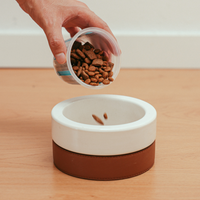
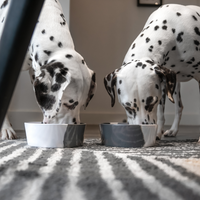
Make sure you have a clean bowl for water and a clean bowl for food, you can opt for a slanted water bowl if you have a spaniel breed to reduce your dogs ears from getting soaked in their water.
4) Puppy Toilet Training
Top of your list should be a reliable pack of puppy training pads, not only are they great for training your young pup, but they are invaluable when travelling (pop in the bottom of their carrier/crate to catch any travel sickness or accidental toilet trips). You can also use them to absorb muddy, wet paws after your pup has had a play in puddles!
5) How to settle my new puppy at night
When settling your new puppy at night, our heart beat sheep will be your puppy's new best friend. The heart beat sheep features a beating heart inside that mimics the beat of Mum's heart. They're designed to offer comfort and calm to new puppies who may feel nervous in their new home; they help to stop separation anxiety too. Alongside the heart beat sheep, you could pop in a heat pad under your dogs bed/cushion to keep them warm and to mimic the feeling of having siblings/mum near. Both the heat and the heart beat sheep will provide comfort for your puppy, especially whilst they are settling in and adjusting overnight.
6) How to keep your new puppy entertained
Toys will provide something to chew on for your pup, which you’ll find are essential if you want to avoid your puppy chewing on your furniture. Choose a variety of textures, styles and sizes to keep your puppy engaged and interested. You may want to keep a toy box so your pup can choose what they’d like to play with, or keep a few toys in rotation so your puppy doesn’t get bored with them.
You can also buy toys you can fill with treats or their food. If you want/need to leave your puppy - remember to build this up slowly, and don’t leave your new puppy for a long period of time - you could try freezing a peanut butter filled KONG (remember to use doggy/puppy friendly peanut butter). Freezing the toy will take them longer to work through and will give some relief to their sore teething gums and teeth.
7) Does my new puppy need a collar?
You may want to purchase your dogs collar before they arrive home with you, however it’s advised to purchase the correct size collar for your puppy, which you may have to wait until they’re here to measure them properly. It is a legal requirement to have a tag with your details on incase your puppy gets lost or strays away, but it’s advised not to add your puppy’s name to the tag.
8) How will I get my new puppy home?
Collecting your puppy to take them home is really exciting, but it’s best to be prepared. Make sure you have a suitable carrier/crate to store them in safely for the journey. It’s important your dog is restrained as it is the law to keep your puppy properly restrained whilst driving. In your carrier, you may want to pop in a blanket that smells like home and a scent blanket that smells like their mum and litter mates. It’s also good to have some puppy training pads to hand incase of any car sickness or accidental toilet trips.
9) When to start training my new puppy?
You can start with bonding and training your puppy almost straight away, get some high quality, puppy training treats (make sure to check the guidelines), and enjoy teaching them new tricks - you’ll be amazed at how quick they learn!
10) When do I start grooming my puppy?
It’s recommend that even if your pup won’t require grooming at first, you should regularly brush them to get them used to being groomed and handled. Choose a simple, soft brush and/or comb for the first couple of months. There will be a time you will need to wash your puppy, make sure you’re not using human shampoo as this will upset your puppy's PH levels and may not be compatible with your puppy flea treatment. It’s best to invest in a puppy shampoo that you can use when and if you need to bathe your puppy. We have our own puppy grooming set in our Petplex collection called the 'Puppy Purifier' it has a shampoo and a cologne to help keep your puppy smelling fresh.
That soft, rhythmic pawing your cat does just before they curl up and drift off is one of those behaviours that’s easy to love but harder to explain. In this article, we’ll walk you through why do cats knead before sleeping, what it says about how your cat is feeling, and when it’s worth keeping a closer eye on things. We’ll also share a few simple ways to make the whole bedtime ritual cosier and more comfortable for both of you.
Why cats knead before sleeping
If you’ve ever watched your cat rhythmically push their paws into a blanket, your lap, or a soft cushion just before curling up, you’ve witnessed one of the most endearing things cats do. It’s called kneading — and if you’ve heard it referred to as “making biscuits,” you’ll immediately understand why.
So why do cats knead before sleeping specifically? The short answer: it’s deeply tied to comfort and the physical ritual of winding down. As your cat shifts into sleep mode, their body starts signalling that it’s time to feel safe and settled. Kneading is part of that signal. It’s rhythmic, self-soothing, almost meditative.
You’ll usually notice it happening on soft surfaces — your favourite jumper, a cosy throw, or a well-loved cat bed. That softness isn’t incidental. It triggers something instinctive that tells your cat this is the right place to rest.
Cat kneading meaning does shift depending on the situation, but in a pre-sleep context it’s almost always a sign of contentment. Your cat isn’t unsettled or confused. They’re doing exactly what a happy, comfortable cat does when they feel truly at home — and honestly, once you understand that, it’s hard not to find it completely charming.
The kittenhood instinct cats never quite outgrow
Most cats knead before they drift off, and the habit usually starts right back in kittenhood. Newborn kittens press their paws against their mother’s belly to help stimulate milk flow, and that gentle, repetitive motion becomes wrapped up in some of their earliest feelings of warmth, safety, and being cared for.
That is a big part of why cats knead before sleeping as adults. It is not always about one single trigger. For many cats, it is a soothing routine that links sleep with comfort and security.
Here is why that early instinct often sticks around:
Self-soothing: the steady, rhythmic motion can help a cat relax, especially when they are getting ready to settle for the night
Recreating early security: kneading can bring back that sense of closeness and reassurance they felt as kittens
Winding down for sleep: just like circling before lying down, kneading can become part of a familiar bedtime ritual
Soft textures encourage it: cosy, plush spots often bring out the behaviour more than firm surfaces, which is why many cats love a soft cat blanket before bed
Bonding with you: if your cat kneads on your lap, chest, or blanket, it is often a sign they feel deeply safe in your company
So if you have ever wondered, “why does my cat knead me right before falling asleep?”, the answer often comes back to comfort, memory, and instinct. Cat kneading meaning can be layered, but before sleep it is very often a quiet little sign that your cat feels secure, settled, and completely at home.
Comfort, scent marking, and making the perfect sleep spot
If you’ve ever caught yourself wondering why cats knead before sleeping, the honest answer is that it’s rarely just one thing. When your cat works away at your duvet, kneads a soft blanket into just the right shape, or spends a solid minute pressing at your lap before finally settling, they’re doing several things at once. It’s self-soothing, nest-building, and a quiet little territorial claim on their favourite spot, all bundled into one rhythmic, deeply satisfying routine.
Here’s what’s really going on during those pre-sleep biscuit-making sessions:
Instinctive nest-building. Cats are hardwired to shape a surface before lying down on it. It’s a throwback to wild ancestors who’d pat down grass or leaves to create a safe, comfortable resting place — and that instinct hasn’t gone anywhere.
Stress relief and self-soothing. The repetitive motion is genuinely calming. At its core, cat kneading is often simply a cat winding down and regulating their own emotions after a long, exhausting day of napping and quietly judging you.
Scent marking their space. Cats have scent glands in their paws, so every knead leaves a subtle “this is mine” message behind. It’s exactly why they return to the same blanket, the same cushion, the same corner of your lap, night after night.
A sign they feel safe. When your cat makes biscuits on you or right beside you, they’re completely relaxed and at home. That’s worth appreciating.
Together, these behaviours are your cat’s version of pulling back the duvet and fluffing the pillows. Giving them a dedicated cat blanket to knead and scent-mark can work beautifully here — something soft that becomes entirely, unmistakably theirs.
When kneading is completely normal — and when to pay closer attention
For most cats, kneading before sleeping is as routine as a human fluffing their pillow — one of their most natural, self-soothing habits, and rarely anything to worry about.
Normal Kneading Behaviour
Signs Worth Monitoring
Rhythmic, relaxed pawing on bedding or your lap
Frantic or compulsive kneading that doesn’t settle
Quiet purring or soft trilling
Vocalising with distress, whimpering, or growling
Loose, relaxed body posture
Stiff limbs, hunched back, or visible tension
Kneading on soft, supportive surfaces
Repeatedly kneading on hard or unsuitable surfaces
Consistent, occasional frequency
A sudden increase or complete stop in kneading habits
A few things worth mentioning to your vet:
Kneading paired with persistent restlessness or an inability to settle
Skin irritation, hair loss, or soreness around the paws from over-kneading
A sudden change in kneading behaviour with no obvious cause
Kneading accompanied by excessive vocalising or signs of pain
The reassuring truth is that the vast majority of pre-sleep kneading simply means your cat feels safe and comfortable. If they’re obsessively pawing at a hard or scratchy surface, the surface is usually the problem, not the behaviour itself. Cats instinctively seek out something soft and secure to knead into, and when they find it, they tend to settle more quickly and calmly. Something like the Sleepy Burrows Calming Bed is designed with exactly that in mind — giving them the kind of cosy, enveloping surface that makes the whole bedtime ritual feel just right.
How to make kneading time safer and more cosy for both of you
A few small tweaks can make kneading time much more enjoyable for everyone involved — claws and all.
Start with regular claw trims. It doesn’t have to be a big deal. Little and often works well, and most cats tolerate it far better once it becomes part of the routine. Blunter claws mean you can actually enjoy those slow, rhythmic presses without quietly bracing for the moment your cat finds a thin patch of blanket.
Speaking of blankets, giving your cat their own dedicated kneading spot makes a genuine difference. A thick, soft layer they can claim as their own protects your lap, your sofa, and your sanity. If your cat likes to knead before settling down, a plush bed gives them something satisfying to sink into. The Cornell Feline Health Center notes that cats like to seek out warm places to rest, so having a cosy spot ready after a kneading session is always worth it. Our High Wall Boucle Bed for Cats fits the bill beautifully — soft texture, snug high sides, and the kind of enclosed feel cats tend to gravitate towards.
Ultimately, cat kneading before sleeping is one of those small, quiet habits that says something rather lovely: your cat feels safe, settled, and completely at home with you. A few claw marks on the blanket is a pretty fair trade for that.
Frequently Asked Questions
Are cats happy when they knead?
Yes — when cats knead before sleeping, it’s usually a strong sign they feel happy, safe, and comfortable. The motion is soothing, often linked to kittenhood, and commonly shows up as part of a relaxed bedtime routine on soft blankets, beds, or even your lap.
Should you pet a cat while kneading?
Yes, if your cat seems relaxed and enjoys it, gentle petting can fit naturally into kneading time. Kneading before sleep usually means your cat feels safe and settled, so soft strokes can add to that cosy moment — just pay attention to their body language and let them set the pace.
Getting the right fit for your dog’s crate makes a bigger difference than most people realise, and knowing how to choose the right size dog crate is simpler than it looks once you have a few key numbers to hand. This guide walks you through measuring your dog properly, planning ahead for a growing puppy, and thinking about how the crate will fit into your everyday life. You’ll also find advice on the extras that help a crate feel like a proper den rather than just a box your dog happens to sleep in.
How to choose the right size dog crate without second-guessing yourself
Choosing the right crate size comes down to one simple idea: your dog needs enough room to stand up, turn around, and stretch out comfortably — but not so much space that it stops feeling like a cosy den and starts feeling like a draughty hallway.
That balance matters more than most people expect. A crate that’s too large can leave a dog feeling unsettled, particularly during those early weeks of getting used to it. Dogs are naturally drawn to snug, enclosed spaces, and a well-fitted crate tends to feel far more reassuring than one with room to spare.
The most common mistake? Sizing by breed name alone. A “Labrador-sized” crate sounds like it should cover it, but two Labs can look completely different in build. A lean working type and a stockier show dog might need very different dimensions. So before you start comparing products, get your dog’s actual measurements: length from nose to tail, and height from the floor to the top of their head when standing. Those two numbers will do most of the work for you.
The other key decision is whether you’re buying for a puppy or a fully grown dog. Puppies grow quickly — sometimes faster than you’d think — so crate sizing for a puppy involves a little more forward planning than sizing for an adult.
Get clear on those two things first: your dog’s measurements and their life stage. Once you have both, the rest of the decision becomes much more straightforward. Our dog crate sets are a great place to start browsing once you’ve got your numbers to hand.
Start with your dog’s measurements, not the breed label
Breed labels are a helpful starting point, but they’re not reliable enough to base a purchase on. A Cocker Spaniel can come in wildly different shapes and sizes depending on their lineage and build, and the same goes for almost every breed. Getting your dog’s actual measurements is the only way to feel genuinely confident about how to choose the right size dog crate.
Here’s how to do it properly:
Body length: Measure from the tip of the nose to the base of the tail (not the tip). This gives you the minimum internal length the crate needs to be.
Standing height: Measure from the floor to the top of the head or ears while your dog stands naturally. This tells you how tall the crate needs to be.
Natural posture: Notice whether your dog stands tall and upright or carries themselves low and compact. Two dogs with identical measurements can still need slightly different headroom depending on how they naturally hold themselves.
A note on weight: Useful as a rough guide, but never the whole story. Two 30kg Labradors can easily need different crate sizes based on build and bone structure alone.
Once you have your dog’s measurements, add around 10cm to both figures. Your dog should be able to stand up, turn around, and stretch out comfortably without brushing the sides. That’s the sweet spot. If you’re still finding your feet with crates generally, our introduction to dog crates is a great place to start before you buy.
Getting the fit right for a puppy who’s still growing
Figuring out what size crate to buy for a puppy is one of the trickier parts of those early weeks. You want something that fits them now without being so roomy it sets back toilet training, but you also don’t want to find yourself buying a second crate six months down the line. The good news is you don’t have to.
A crate with a divider panel is the most practical solution for a growing pup. Start with the panel positioned to give your puppy just enough room to stand, turn around, and lie down comfortably, then gradually move it back as they grow. The space stays snug and den-like throughout, without you having to start from scratch.
A few things worth keeping in mind as you work out the right crate sizing for your dog:
Base your crate choice on your breed’s expected adult measurements, then work backwards
Measure your puppy every two to three weeks, particularly during fast growth phases
Adjust the divider when they start looking cramped or can no longer stretch out fully
Resist jumping up a size too soon — a crate that feels vast rarely feels safe to a young dog
If your pup is a mix, ask your vet for a realistic adult size estimate rather than guessing
Those in-between months go quickly, and a bit of forward planning makes the whole thing far less stressful. Pairing a well-sized crate with a grow-with-me puppy bed means the sleeping space keeps pace with your pup too, so nothing ever feels too big or too sparse along the way.
Choose the crate size for how you’ll actually use it day to day
Knowing how to choose the right size dog crate isn’t just about measuring your dog from nose to tail. Where the crate will live and what you’ll actually use it for each day shapes the decision just as much as the numbers do.
Overnight sleeping. For nighttime use, a snug, den-like fit works best. A crate that’s too roomy can feel unsettling rather than secure, especially for dogs who take a while to wind down.
Toilet training a puppy. Keep it cosy. Too much space and a puppy may decide one end is the bathroom. Crate sizing for dogs in training works best when there’s just enough room to stand, turn, and lie down comfortably.
Quiet time or a safe retreat. If the crate doubles as your dog’s go-to calm spot throughout the day, a little extra room to stretch out is a genuinely kind choice.
Car travel. Consider boot space and how often the crate needs moving. A lightweight, collapsible option will usually serve you better than a heavier everyday crate.
A permanent spot in a shared living space. Here, aesthetics matter alongside fit. You want something that looks as good in your home as it feels for your dog.
Think through your typical week before you decide. Browse the Lords & Labradors crate collection to find options designed around how real dogs and families actually live.
Don’t forget the extras that make the crate feel right
Once you’ve settled on the right crate size, what you put inside it matters just as much as the dimensions themselves. The right extras can turn a plain wire box into somewhere your dog genuinely wants to spend time — but bulky or mismatched accessories can eat into the floor space you carefully measured. It’s worth thinking about each one before you buy.
Here’s what to keep in mind:
A well-fitted bed or mattress gives your dog a comfortable surface without bunching up against the sides. Flat, supportive options tend to work better than thick, oversized cushions that reduce usable space.
A crate cover cuts out visual stimulation and creates a darker, den-like feel that helps many dogs settle more quickly — especially useful in busier households where there’s always something going on.
A bumper set lines the inner walls with soft padding, which is particularly helpful for puppies who tend to press or lean against the sides. It adds warmth and cosiness without dramatically reducing floor space.
Our cosy crate bed set brings all of these elements together in one thoughtfully designed package, so everything fits and works as it should from day one.
The goal is a snug interior that feels calm and safe — not a cramped one. Get both the crate size and the setup right, and your dog has the best possible foundation for settling in happily.
How to make the final choice with confidence
When you’ve done the measuring, thought about your dog’s daily routine, and browsed your options, the final choice usually comes down to a handful of simple things. Run through this quick checklist before you commit.
Start with your dog’s measurements. Nose to tail and floor to the top of the ears are your two non-negotiables. Add around 10cm to each, and you’ve got the internal crate dimensions you’re actually shopping for.
Check the fit feels cosy, not cavernous. Dogs who love to curl up in a corner often feel more settled in a snugger space. If you’re buying ahead for a growing puppy, use a divider to keep things proportional now and simply move it back as they fill out.
Think about where the crate will live. A crate destined for the car boot has different needs to one tucked into a bedroom corner. Measure doorways, check your boot space, and picture where this crate will actually spend its time.
Don’t overlook the finishing touches. A well-chosen crate cover can turn even a slightly generous-sized crate into a proper den. Take a look at the Lords and Labradors crate cover collection to find something that suits both your crate and your home.
Choosing the right size dog crate really does come down to measuring carefully, thinking practically, and trusting what you already know about your dog. You know them best.
Dogs are brilliant at keeping up appearances, and spotting the signs your dog is in pain often comes down to noticing the small, easy-to-brush-off shifts in their everyday behaviour. In this article, we cover what those hidden signals actually look like, what might be causing them, and when it’s time to pick up the phone to your vet. We’ve also pulled together some simple ways to keep your dog comfortable at home while you wait for answers.
Why dogs hide pain so well — and why it’s easy to miss
Dogs are remarkably good at hiding pain, and it has nothing to do with stubbornness or being “dramatic.” It comes down to instinct. In the wild, showing weakness could make an animal vulnerable, so dogs learned to carry on as normally as possible even when they were uncomfortable. That survival instinct is still there, even if your dog’s biggest challenge today is beating you to the best spot on the sofa.
That is what makes the signs your dog is in pain so easy to miss at first. Your dog may still greet you at the door, get excited for dinner, or trot over when you pick up the lead. On the surface, they seem mostly normal. But underneath, something may have changed.
Often, the hidden signs of pain in dogs are small. Your dog might pause before jumping into the car, settle down more slowly than usual, seem a bit quieter, or keep licking the same spot on their leg. These are not random quirks or a phase. They are dog discomfort signs, and they matter.
Spotting signs of pain in dogs early can help your vet get to the cause sooner and stop things from getting worse. It also helps you support your dog more gently at home while you work out what is going on.
The best starting point is knowing your dog’s usual habits, energy, and body language. When you know their normal, it is much easier to spot when something feels off. If you are unsure what to look for, our guide to understanding your dog’s body language is a helpful place to start.
The subtle signs your dog is in pain but hiding it
Most dogs are remarkably good at carrying on as normal even when something hurts, which means the signs your dog is in pain are often quiet, easy-to-dismiss shifts in everyday behaviour rather than dramatic yelping or obvious limping. Every dog is different too. One might go quiet and withdrawn while another becomes clingy and shadow-like. There’s no single script for how dogs show discomfort, which is exactly what makes it so easy to miss.
Here are the most common signs to watch for:
Reluctance to use stairs or jump up — if your dog hesitates at the bottom of the stairs or stops leaping onto the sofa they once claimed as their own, something may be making movement uncomfortable.
Slower on walks, or losing interest in them — a dog who used to drag you to the park but now hangs back or wants to turn home early may be hurting, not bored.
Licking or chewing one spot repeatedly — dogs often focus attention on a painful area, even when the source is internal rather than on the skin.
Panting without an obvious cause — panting after a run is normal; panting while resting on a cool evening is worth noting.
Hiding or withdrawing — choosing to sit alone in another room is a classic instinctive response to not feeling right.
Grumpiness when touched — flinching, growling, or snapping when you stroke a particular area is a clear signal that something is wrong there.
Changes in sleep — sleeping far more than usual, or seeming restless and unable to settle, can both point to discomfort.
Reduced appetite — pain is tiring and distracting, and many dogs simply lose interest in food when they’re struggling.
Unusual clinginess — some dogs do the opposite of withdrawing and become velcro-like, seeking reassurance constantly.
Postural changes — a hunched back, tucked tail, or reluctance to stand fully can all suggest that holding a normal position hurts.
Research backs up just how tuned-in owners are to these shifts. In a study where owners documented behavioural changes in dogs during the first week after clinical discharge, and veterinarians independently reviewed the videos as a reference perspective, the most commonly reported changes were in walking, playing with objects, and playing with their owner — all everyday things any dog parent would naturally pick up on.
Worth knowing: Hidden signs of pain in dogs rarely arrive all at once. More often they build gradually, or appear in small clusters. One quieter morning means little. A dog who has been slower, less playful, and off their food for several days is telling you something.
You don’t need to know what’s wrong to act on what you’re seeing. Noticing these patterns early is often the difference between catching something minor and letting it go unchecked — and no one knows your dog better than you do.
What can cause pain in dogs?
Pain in dogs can come from all sorts of everyday issues, not just major illness or obvious injury. If you’re noticing subtle signs your dog is in pain, it often helps to think about what might be going on physically as well as behaviourally.
Common causes of pain in dogs include:
Sore or stiff joints: your dog may rise more slowly, hesitate before climbing stairs, or stop jumping onto the sofa like they used to
Sprains and minor injuries: a pulled muscle, strained paw, or small cut can lead to licking, limping, or favouring one side
Dental pain: dogs with toothache might drop food, chew on one side, or go off crunchy treats
Ear problems: ear discomfort often shows up as head shaking, scratching, or seeming unusually grumpy when touched
Skin irritation: sore, itchy patches under the fur can make a dog restless, twitchy, or unsettled at bedtime
Digestive upset: tummy pain may cause pacing, a hunched posture, or less interest in meals
Age-related stiffness: older dogs can slow down so gradually that dog discomfort signs are easy to mistake for “just ageing”
Pain does not look the same in every dog. Some become quiet and clingy, while others seem restless, snappy, or less like themselves. For joint stiffness in particular, gentle daily movement can help support comfort. This guide to regular exercise for dogs is a helpful place to start.
When to call the vet — and what not to do at home
Some signs your dog is in pain are easy to dismiss as an off day — but certain symptoms should always prompt a vet call rather than a wait-and-see approach.
Pick up the phone if you notice:
Sudden changes in behaviour or movement with no obvious cause
Symptoms lasting more than 24 to 48 hours without improvement
Signs that are getting worse, not staying the same
Limping, stiffness, or reluctance to put weight on a limb
Vomiting, loss of appetite, or refusing water
Laboured, shallow, or unusually fast breathing
Whimpering, flinching when touched, or out-of-character aggression
And a really important one: never give your dog human pain relief. Ibuprofen and paracetamol are both toxic to dogs and can cause serious harm, even in small doses. Always wait for your vet’s guidance before giving anything.
In the meantime, jot down a few notes before your appointment. It sounds simple, but it genuinely helps:
When the symptoms first appeared and how they’ve changed since
Which specific behaviours feel different, even the ones that seem minor
Whether anything could have triggered it — a tumble, a new walk route, a boisterous play session
Any recent changes to their diet, routine, or environment
Your vet will get a much clearer picture from that kind of detail, and your dog gets answers faster. You’re also welcome to share your pet’s details with us at Lords & Labradors — we’re always happy to help however we can.
How to make an uncomfortable dog more comfortable while you wait
While you’re waiting for your vet appointment, there are some simple things you can do to help your dog feel more settled without risking making things worse.
Keep movement gentle and short. A slow potter around the garden is fine; long walks, boisterous play, and anything involving a lot of jumping around is best avoided for now. If your dog normally charges up the stairs or vaults onto the sofa, try to discourage that too. A ramp or set of pet steps can make a real difference here, letting them get where they want to go without putting extra strain on sore joints or muscles.
Their sleeping setup is worth thinking about too. A soft, supportive surface does a lot of quiet work when a dog is uncomfortable. If you’ve noticed them circling before lying down, hesitating to settle, or getting up more slowly than usual, those can all be dog pain symptoms centred around the joints. An orthopaedic or high-walled bed helps take pressure off the bits that are hurting and gives them somewhere genuinely comfortable to rest while they recover.
Beyond that, try to keep their routine as normal as you can. Dogs take real comfort from predictability, and familiar mealtimes and gentle outings can help keep anxiety in check while their body does its thing.
Frequently Asked Questions
How do you tell a dog is suffering?
You can often tell a dog is suffering by small changes in behaviour rather than dramatic crying or limping. Watch for slowing down on walks, reluctance to jump or use stairs, repeated licking, panting at rest, hiding, grumpiness when touched, appetite changes, restlessness, or unusual clinginess.
What position do dogs lay in when in pain?
Dogs in pain often lie or stand in ways that protect the sore area, such as with a hunched back, a tucked tail, or a reluctance to stretch out fully. You might also notice them circling, hesitating before lying down, or struggling to get comfortable and settle.
How to know if a dog is in pain or hurt?
You usually know a dog is in pain or hurt by noticing what feels different from their normal routine and body language. Common clues include stiffness, limping, slower walks, avoiding stairs or jumps, licking one area, panting without cause, eating less, withdrawing, or becoming unusually clingy or snappy.
Scratching is one of those things that feels deeply frustrating when it’s your sofa taking the hit, but the good news is that learning how to stop a cat from scratching furniture is far more about smart redirection than strict rules. In this guide, we’ll walk you through why cats scratch, how to make a scratcher genuinely appealing, and simple ways to protect your furniture while your cat builds better habits. From claw care and deterrents to rewards and routine, these are practical steps that actually work in a real home.
Why cats scratch furniture in the first place
If you have ever come home to find your sofa looking like it lost a fight, you are definitely not alone. Scratching can feel destructive from our side of things, but for cats, it is completely normal behaviour.
So, why does my cat scratch furniture in the first place? Usually, it comes down to a few very natural reasons. Scratching helps your cat stretch their whole body, especially their shoulders, back, and legs, which is why you will often see a big scratch after a nap. It also helps remove the outer layer of the claw, keeping it in good condition underneath.
There is also the territory side of things. When your cat scratches the arm of the sofa or the stair carpet, they are not being difficult for the sake of it. They are leaving both a visible mark and a scent from glands in their paws. In cat language, that is a clear little message that says, “this is mine.”
For some cats, scratching is emotional too. They may do it when they feel excited, overstimulated, unsettled, or even just full of energy. It can be a bit like us stretching, fidgeting, or pacing when we need to release tension. That is why punishment rarely helps. Scratching is not bad behaviour to “fix”, it is a normal instinct to redirect.
Understanding that makes a big difference when thinking about how to stop a cat from scratching furniture. The aim is not to stop scratching altogether. It is to give them a better place to do it, like one of these cat trees and scratch posts, and make that option easier and more appealing than the sofa.
Cornell University’s Feline Health Center notes that the only guaranteed way to stop a cat from scratching a particular area or object is to restrict access to it, which is rarely practical in a real home. The good news is that with the right setup, you really can stop cat scratching furniture becoming a daily battle.
Make the scratching post the easiest option
Most scratching posts fail not because cats are stubborn, but because they’re in the wrong place. Location, size, stability, and texture all determine whether your cat actually bothers — get those things right, and you’re most of the way there.
Here’s what to think about when choosing and positioning a scratcher:
Placement near problem areas or favourite napping spots. Cats scratch when they wake up and when they move through familiar territory. Put the post where the scratching is already happening, not tucked in a corner no one visits.
Height and size. Your cat needs to fully extend their body when they scratch. A post that’s too short simply won’t satisfy. Look for something tall enough that they can stretch right up on their hind legs.
Stability. One wobble and most cats write it off completely. The post needs to feel solid and secure every single time they use it.
Texture preference. Some cats are devoted to sisal, others love cardboard or carpet. If you’re not sure what your cat prefers, try more than one and let them lead.
Good to know: Most cats need at least two or three scratchers placed in different rooms. One near the sofa is rarely enough, particularly in a larger home.
When you’re trying to redirect scratching away from a specific piece of furniture, place the post directly beside it — almost touching. It feels counterintuitive, but you’re simply meeting your cat where they already are. Once they’re using it reliably, you can gradually shift it somewhere more convenient. A tall, sturdy option like the Lords & Labradors Back to Nature 4-Tier Cat Scratch Post works particularly well for this, giving cats a satisfying full-body stretch in something that won’t tip or shift under their weight.
Making the post the obvious, easy choice is one of the most practical steps you can take to stop cats scratching furniture — and it works best when paired with making the sofa a little less tempting at the same time.
How to make furniture less tempting
While you work on how to stop a cat from scratching furniture, it helps to make the sofa less rewarding in the meantime. These gentle deterrents are best used as a short-term backup, not a punishment. The goal is simply to protect your furniture while you show your cat where you do want them to scratch.
Double-sided tape: Many cats dislike the sticky feeling on their paws, so a few strips on the sofa arms or favourite corners can help break the habit. It is harmless, but odd enough to make them pause.
Furniture covers and throws: A thick throw, blanket, or fitted cover changes the feel of the surface and protects the fabric underneath. This can be especially helpful if your cat loves one particular arm or cushion corner.
Citrus-style deterrent sprays: Many cats dislike citrus scents, so a light mist on favourite scratching spots may help. Always check the label carefully and only use a spray that is clearly marked as cat-safe.
Blocking favoured corners: If your cat returns to the same spot every day, try placing a cushion, storage basket, side table, or another pet-safe obstacle in front of it for a while. Even a simple change in access can interrupt the routine.
Scratch-deterrent mats: These textured mats attach to or sit against the sofa and make scratching feel less satisfying. They are easy to move if your cat switches to a new target.
Quick tip: Deterrents work best when there is a better option right beside them. Put a scratching post or pad next to the area you are protecting, so your cat can immediately make the “right” choice.
If you want an extra layer of protection while training, sofa toppers can be a really practical addition. They help shield the spots cats usually target, and they make life feel a lot calmer while everyone settles into a new routine.
Trim, file, and care for their claws
Trimming your cat’s claws won’t stop them from scratching altogether, but it will make a real difference to the damage they cause. Shorter, blunter claws are far less likely to snag fabric or gouge into wood, so keeping on top of nail care is a genuinely useful piece of the puzzle when you’re trying to stop cat scratching furniture.
Start with paw handling. Before you bring out any clippers, spend some time getting your cat comfortable with you touching their paws. A gentle hold during a quiet cuddle is a good place to start — you want it to feel like nothing, not like something to brace for.
Use the right clippers. Cat-specific scissor-style or guillotine clippers give you far more control than regular nail scissors, and they make a clean cut without splitting the claw.
Find the quick. Hold the paw up to the light and look for a faint pink line running partway down the claw. That’s the quick — cut just below it and you’ll avoid any sensitive tissue.
Keep sessions short. One or two claws at a time is absolutely fine, especially while your cat is still getting used to it. There’s no rule that says all four paws have to happen in one sitting.
Always finish on a good note. A treat and a bit of fuss at the end goes a long way. Most cats come around faster than you’d expect once there’s something in it for them.
Quick tip: For most indoor cats, trimming every two to four weeks is plenty to keep claws in good shape.
Having a consistent, calm spot for grooming makes the whole routine feel less like a wrestling match. A dedicated cat washroom or grooming station keeps everything in one place, so you’re not hunting down clippers at the last minute and your cat knows what to expect when you head there together.
Use rewards and routine to build a new habit
Getting a scratching post in place is a brilliant first step, but it’s the consistent positive reinforcement that turns an occasional scratch into a genuine habit. This is honestly the most important part of learning how to train a cat not to scratch furniture, and the good news is it doesn’t need to be complicated or time-consuming.
Guide your cat to the post. Gently carry them over or dangle a toy nearby to draw them in. You’re not forcing anything — just creating the right moment.
Reward the second they scratch it. The moment their claws make contact, mark it with a bright “yes!” and follow up with a small treat. Timing really is everything here.
Try a little catnip to spark interest. A light sprinkle on or around a plush cat scratch post can make a real difference, particularly for cats who’ve been slow to engage.
Finish with a play session nearby. A few minutes with a wand toy next to the post helps build a warm, happy association with the whole area — not just the post itself.
Keep it consistent. Right after meals or when your cat first wakes up are ideal windows. Cats are natural creatures of habit, so a predictable routine makes this much easier for both of you.
Tip: Aim to reward within two seconds of your cat using the post. Any longer and they won’t connect the treat to what they just did.
Most cats show clear progress within a few weeks when you stick with this. Keep sessions short, stay upbeat, and trust the process — the habit will come.
When to upgrade your setup and keep the peace
Sometimes, despite your best efforts, your cat still makes a beeline for the sofa. Before you feel defeated, it’s worth asking whether your current setup is actually giving them what they need.
If they keep ignoring their scratcher, texture is often the culprit. Some cats are devoted sisal fans, others swear by corrugated cardboard, and a few will only scratch carpet. If you’ve only tried one material, experiment with another — it can make a surprisingly big difference.
Size matters too. A wobbly post that shifts the moment your cat leans into it isn’t going to win them over. Cats scratch to get a full, satisfying stretch through their whole body, so a scratcher that feels tall and solid enough to do that job properly is far more likely to earn regular use. If you have the wall space, something like the Lords and Labradors Malmo Sling Scratch Wall Climber offers a sturdy vertical option that doubles as a climbing spot — the kind of thing many cats find genuinely hard to resist.
Orientation is worth considering too. Not every cat wants to scratch vertically. Some prefer to stretch out horizontally on the floor, so offering both styles helps you land on what your cat actually enjoys.
In a multi-cat household, one scratcher almost never cuts it. Cats can be territorial, so dotting a few options around different rooms reduces competition and gives everyone a reliable spot to call their own.
The honest truth is that stopping cats from scratching furniture is mostly about building the right environment and sticking with it. With a little patience and the right setup, most cats genuinely do get there.
Frequently Asked Questions
What scent will deter cats from scratching furniture?
Citrus-style scents can help deter some cats from scratching furniture. A light mist of a cat-safe citrus deterrent spray on favourite scratching spots may make the area less appealing, especially if you place a sturdy scratching post right beside it so your cat has a better option.
Is furniture scratching a behavioral issue?
Not usually — scratching furniture is a normal cat behaviour, not simply bad behaviour. Cats scratch to stretch, maintain their claws, mark territory, and release energy or tension, so the kindest and most effective approach is to redirect that instinct to a suitable scratching post rather than punish it.
Picking the best dog breeds for first-time owners is genuinely one of the most important decisions you’ll make as a new dog parent, and getting it right sets you both up for a much happier start. The right match comes down to more than just looks or popularity — it’s about finding a breed whose temperament, energy levels, and care needs actually fit around your home and your life. This guide covers everything from easygoing family favourites and low-maintenance options to small breeds built for flatter living and livelier picks for active households.
Best dog breeds for first-time owners: how to choose the right fit
Bringing home your first dog is one of the most exciting things you’ll ever do — but choosing the right breed makes all the difference between settling in with confidence and feeling completely out of your depth. The best dog breeds for first-time owners tend to share a handful of qualities: a temperament that forgives the inevitable rookie mistakes, a willingness to learn, and exercise and grooming needs that actually fit around your life.
Before you fall for a breed based on looks alone, it’s worth being honest with yourself. Do you work long hours? Live in a flat? Have young children or a schedule that’s rarely the same twice? A high-energy working breed in a small home with a busy owner is hard going for everyone involved. Government guidance on dog adoption puts it simply: if you want a calm, stable dog, look for an easygoing animal; if you want an outgoing dog, look for an adventurous animal. That straightforward advice applies whether you’re adopting or buying from a breeder.
Not sure which route is right for you? Our guide on whether to get a dog from a breeder or a rescue walks you through both options.
The sections below round up the easiest dog breeds for first-time owners by lifestyle — from calm, family-friendly favourites to lower-maintenance choices and breeds that suit more active households. Think of it as a starting point rather than a rulebook. Breed traits paint a picture, but every dog is its own personality too.
Easygoing family dogs that are a joy to train
If you want a dog that slips happily into family life and enjoys learning, start with breeds that are sociable and eager to please. You might sometimes hear these described as “biddable”, which simply means they tend to listen well and want to work with you. For first-time owners, that can make everyday training feel far less overwhelming.
Labrador Retriever: Outgoing, gentle, and full of enthusiasm, Labs are one of the best dog breeds for first-time owners for a reason. They usually pick up commands quickly, love being part of the action, and are often wonderfully patient with children. Life with a Lab tends to mean a shadow at your feet, a happy walking buddy, and a dog who wants to join in with everything. If you’re planning for a puppy, have a look at everything you need for your Labrador Retriever puppy.
Golden Retriever: Friendly, affectionate, and steady-natured, Goldens are lovely family-friendly dog breeds for beginners. They respond beautifully to positive reinforcement and usually thrive when they have a clear routine and plenty of company.
Cavalier King Charles Spaniel: Sweet, adaptable, and easy to live with, Cavaliers fit into lots of different homes. They’re just as happy curling up beside you as they are joining you for a stroll, which makes daily life feel relaxed and manageable.
Bichon Frise: Cheerful and sociable, Bichons bring plenty of personality in a smaller package. They’re often a great match if you want one of the easiest dog breeds for first-time owners with a playful but gentle nature.
What these breeds have in common is simple: they like being with their people, and that makes training, routines, and family life feel much easier.
Low-maintenance breeds for busy households
If you’re weighing up the best dog breeds for first-time owners and hoping “low-maintenance” isn’t just a myth, here’s the honest truth: it’s complicated. These breeds genuinely are easier to manage day to day — no hours at the grooming table, no two-hour runs before breakfast — but they still need your time, your consistency, and real attention to thrive.
Breed
Grooming Needs
Exercise Requirements
Best For
French Bulldog
Minimal, weekly wipe-down
30–45 mins daily
Flat or small home living
Boston Terrier
Low, occasional brush
30–45 mins daily
Active city dwellers
Greyhound
Very low, short smooth coat
30–60 mins daily
Quieter homes, first-time owners
What makes these breeds so approachable for beginners:
Short coats that need little more than a quick brush and the occasional bath
Calm, settled behaviour indoors — even in smaller spaces
Adaptable temperaments that fit around a range of household routines
Lower grooming costs than longer-coated or double-coated breeds
That said, no dog just slots in without effort. Even the most laid-back Greyhound needs a proper routine and enough mental stimulation to stay happy. It’s easy to underestimate this part — lots of first-time owners focus on grooming and forget that a bored dog is rarely a well-behaved one. Getting to grips with your dog’s regular exercise needs is just as important as knowing how often to pick up a brush, so go in with clear expectations from the start.
Small dog breeds that suit flats and first homes
Living in a flat or smaller home doesn’t mean dog ownership is off the table. Some of the best dog breeds for first-time owners are compact, adaptable, and genuinely content in cosier spaces — you just need to pick a breed that suits your lifestyle from the start.
Breed
Energy Level
Grooming Needs
Barking Tendency
Miniature Schnauzer
Moderate
High (regular trimming needed)
Moderate to high
Cocker Spaniel
Moderate to high
High (frequent brushing and clipping)
Low to moderate
Shih Tzu
Low to moderate
High (daily brushing recommended)
Low
A few practical things worth thinking through before you decide:
Noise levels matter in shared buildings. A vocal breed can create friction with neighbours fast, so look closely at barking tendencies before you commit.
Small doesn’t mean low-energy. Even compact breeds need regular walks. A Cocker Spaniel will want noticeably more outdoor time than a Shih Tzu.
Grooming costs add up quickly. All three breeds above need consistent coat care, whether that’s brushing at home or a trip to the groomer every six to eight weeks.
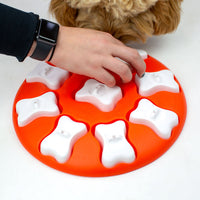
Mental stimulation counts indoors too. Puzzle feeders and enrichment toys can make a real difference for apartment dogs between walks.
Getting the breed right is only part of the picture. Our guide to bringing a new puppy home covers those first days with practical, reassuring advice, so both of you can settle in with confidence.
Breeds for active owners who still want a beginner-friendly dog
If you love getting outside and want a dog that matches your energy, some of the best dog breeds for first-time owners are actually the livelier ones. Breeds like the Staffordshire Bull Terrier, Whippet, and Poodle are all highly trainable, people-focused, and genuinely rewarding to live with — as long as you can meet their daily needs.
Breed
Exercise Needs
Beginner-Friendliness
Staffordshire Bull Terrier
1–2 hours daily
High. Eager to please, loves routine
Whippet
1 hour daily
High. Calm indoors, easy to manage
Poodle
1–2 hours daily
Very high. Exceptionally quick to learn
With higher-energy breeds, enrichment matters just as much as the walk itself. A few things that make a real difference:
Vary your outings. One longer walk plus a shorter, sniff-led amble gives their brain a proper workout, not just their legs.
Keep things interesting at home. Rotating toys and mixing in puzzle or interactive options — like those in the Lords and Labradors puppy toy collection — helps prevent boredom between walks.
Train little and often. Five minutes of positive, reward-based training a day builds a dog who is genuinely lovely to live with.
Make play count. It is one of the fastest ways to build trust and strengthen your bond.
Get the routine right and these breeds become some of the most rewarding companions a first-time owner can choose. They want to work with you — and that makes everything easier.
Which breed is best for you? A quick first-time owner shortlist
Choosing the right breed really does come down to one question: what does your daily life actually look like? Once you’re honest about that, the shortlist almost writes itself.
If you want a calm, easygoing companion who’s happy to follow your lead, a Cavalier King Charles Spaniel or a Bichon Frise is hard to beat. Both are gentle, adaptable, and genuinely lovely to train — ideal first dogs for quieter households.
For busier homes where time is stretched, a Greyhound or a Shih Tzu asks surprisingly little of you day to day. Loyal, quiet, and perfectly content with shorter bursts of activity, they fit around real life rather than demanding you reorganise it.
If you have kids and want a dog who genuinely thrives in the thick of family life, a Golden Retriever or a Labrador brings the kind of patience and warmth that makes the whole thing feel easy.
And if weekends mean long walks and muddy boots, a Border Terrier or a Cocker Spaniel will keep up with you happily, without the steep learning curve some more demanding breeds bring.
Whichever direction you’re leaning, getting the basics sorted early makes a real difference. Browse our puppy essentials collection to feel properly prepared before your new dog even comes home.
Frequently Asked Questions
What breed of dog is best for first time owners?
There isn’t one perfect breed for every first-time owner, but Labrador Retrievers, Golden Retrievers, Cavalier King Charles Spaniels, and Bichon Frises are all strong beginner-friendly choices. They tend to be sociable, trainable, and easier to fit into everyday family life than more demanding breeds.
What is the easiest dog to own for beginners?
Some of the easiest dogs for beginners are Cavalier King Charles Spaniels, Bichon Frises, Greyhounds, and Shih Tzus. They’re generally adaptable, manageable day to day, and easier to live with when their exercise, grooming, and routine match the home you’re bringing them into.
What are the calmest dog breeds?
Greyhounds, Cavalier King Charles Spaniels, and Shih Tzus are among the calmest breeds mentioned here. They’re often settled indoors, adaptable, and happy with a steadier pace of life, which can make them a lovely fit for quieter homes or first-time owners wanting an easygoing companion.
SIGN UP FOR USEFUL TIPS & GUIDES STRAIGHT TO YOUR INBOX
10.07.26July 10, 2026Featured
How to Introduce a New Puppy to a Resident Dog
Bringing a new puppy home when you already have a dog is one of those moments that can feel equal parts exciting and quietly nerve-wracking. Knowing how to introduce a new puppy to a resident dog well makes a real difference, not just in those first few minutes, but in how comfortably both dogs settle into life together over the weeks that follow. This guide covers everything from reading body language and nailing that first meeting, to building a steady first-week routine and avoiding the mistakes that can make things harder than they need to be.
Before they meet: setting up a calm first introduction
The preparation you do before your dogs ever see each other matters far more than anything that happens in those first five minutes. Think of it less like a playdate and more like a careful first impression — you want both dogs walking away feeling fine, not frazzled.
Location plays a bigger role than most people expect. Research from Ohio State University recommends that you introduce the dogs in a neutral area rather than your own home or yard, where your resident dog already has a strong sense of ownership. A quiet street nearby, a car park at a local park, or a friend’s garden can all work well. Somewhere your older dog hasn’t claimed as their territory gives both dogs a fairer, less loaded starting point.
Timing is worth thinking about too. Try to avoid making introductions when either dog is tired, hungry, or already buzzing with energy. Mid-morning often hits a sweet spot — both dogs have had a chance to settle after waking up, but the day hasn’t wound them up yet. If your resident dog has already had a good walk and is naturally a bit calmer, that’s worth factoring in.
Keep the environment as low-key as you can. Skip the audience of excitable family members, the children tearing around, the general household chaos. The fewer distractions, the more mental space both dogs have to actually focus on each other. Keep both dogs on lead, but hold the lead loosely — tension travels straight down the line and into the dog, and even a relaxed dog can feel that shift.
Most importantly, go in without a fixed idea of how it should go. Some dogs take to each other straight away. Others need days — sometimes weeks — of gradual, managed exposure before they genuinely start to settle. Neither outcome means anything has gone wrong. A good introduction isn’t about manufacturing an instant bond. It’s about creating the right conditions so both dogs feel safe enough to build one at their own pace.
If you’re still in the thick of preparation, our guide to bringing a puppy home is a great place to get the fuller picture before that first meeting happens.
What to look for in body language from both dogs
Knowing how to read what your dogs are telling you is honestly the most valuable skill when it comes to introducing a new puppy to a resident dog. Dogs communicate constantly through posture, movement, and expression, and catching early signs of stress means you can slow things down before any real tension builds.
Relaxed, positive signals to look for:
Loose, wiggly body movement
Soft, blinking eyes
A gently wagging tail (relaxed, not rigid)
Play bows — front end down, bottom in the air
Calm, curious sniffing
A relaxed, slightly open mouth
Moving freely between you and the other dog
Warning signals that mean slow down:
Stiff or frozen posture
A hard, unblinking stare
Lip licking or yawning that feels out of place
Raised hackles along the back
A tail held very high and rigid, or tucked right under
Consistently turning away or trying to avoid the other dog
Whale eye (where you can see the whites of their eyes)
When to step in: If either dog freezes, growls, or one keeps trying to get away from the other, calmly separate them and let both have a quiet break. That is not failure — it just means they need a little more time and space before trying again.
It is also worth remembering that these signals matter for both dogs, not just the one you are most worried about. Puppies have boundless energy and zero awareness of personal space, which can easily overwhelm a resident dog who has never had to share their home before. An older dog who feels repeatedly stressed will take much longer to come around. Keeping one eye on each of them is the real trick here. If you want to feel more confident reading these cues, our guide to understanding your dog’s body language is well worth a read.
How to introduce a new puppy to a resident dog step by step
Knowing how to introduce a new puppy to a resident dog can feel daunting, but with the right pacing it really is manageable. Take it one small step at a time, stay calm yourself, and trust the process — most dogs do find their rhythm together, they just need a little space and patience to get there.
Start outdoors with parallel walking. Before any face-to-face greeting, walk both dogs in the same outdoor space with a comfortable distance between them. A quiet street or park works well. This lets each dog become aware of the other without any pressure to engage. Keep the energy easy and reward both dogs for calm behaviour as you go.
Allow controlled sniffing at a distance. Gradually close the gap over several minutes, letting each dog take in the other’s scent from afar. Keep leads loose throughout — neither dog should feel restricted or cornered at this stage.
Move to a short on-lead greeting. When both dogs look relaxed, allow a brief sniff hello on lead. A few seconds is plenty to begin with. This is one of the most important moments in any puppy and resident dog introduction, so resist the urge to let it run on, even if it seems to be going well.
Head indoors for brief supervised time together. Once the outdoor greeting has gone smoothly, bring both dogs inside for a short off-lead session in a neutral room. Keep food and toys out of the picture initially — removing that competition early makes a real difference.
Watch closely and step in calmly if needed. If either dog seems overwhelmed, separate them quietly and give both a chance to decompress before trying again.
Signs one dog needs a break: a stiff or frozen posture, tucked tail, excessive panting, or turning away and shutting down. If you notice any of these, calmly lead the dogs apart, give each one some quiet time in their own space, and return to shorter sessions when they’re both settled.
Build up shared time gradually. Over the following days, slowly extend how long they spend together — always supervised, always with an easy exit available for both dogs.
Pacing really is everything when introducing a new puppy to an older dog or a resident dog of any age. Where you can, handle one dog at a time, keep early sessions short, and let the relationship develop at its own pace. If you want help thinking through the bigger picture too, our guide to bringing a new puppy home covers everything you need to help both dogs feel settled from day one.
Making the first week feel safe and predictable
The first week at home sets the tone for everything that follows, and knowing how to introduce a new puppy to a resident dog well goes beyond that initial meeting in the park. What actually helps both dogs relax is structure and predictability. When each dog knows what to expect from their day, that low-level tension that comes from uncertainty starts to fade on its own.
Here are five daily practices worth building into your routine from day one:
Feed them separately. Use different rooms or at least opposite ends of the space, and always pick up bowls once each dog has finished. Even the most laid-back older dog can feel uncomfortable with a bouncy puppy hovering near their food bowl.
Keep sleeping areas apart. Your puppy needs their own safe space to wind down without your resident dog wandering in. A consistent, settled sleep setup makes a real difference — our guide on creating the perfect puppy sleep routine has some practical tips to get you started.
Stagger toilet breaks where you can. Taking them out separately in the early days keeps things calm and gives each dog a quiet moment of one-to-one time with you, which both of them will appreciate.
Keep shared time short and intentional. A few brief, calm sessions together are far better than long stretches of unsupervised chaos. Five to ten minutes, a few times a day, is genuinely plenty to begin with.
Put high-value items away. Chews, bones, favourite toys — clear them from shared spaces for now. Resource guarding can flare up in dogs that have never shown it before, so it’s simply not worth the risk this early on.
Quick tip: always end interactions before either dog reaches their limit. A session that finishes while both dogs are still calm and happy does far more good than one that tips into overexcitement or stress.
None of this is about keeping your dogs apart forever. It’s about giving them the steadiness they need to actually get comfortable with each other, so that the easy, relaxed coexistence you’re hoping for has a real chance to take root.
Common mistakes that can make introductions harder
Even the most prepared pet parents can stumble during introductions, and usually it’s pure excitement that’s to blame rather than carelessness. These are easy mistakes to make. The good news is that spotting them early makes the whole process so much smoother for everyone involved.
Rushing straight to off-lead play. It feels natural to just let them get on with it, but dropping the leads too soon takes away your ability to step in if things get tense. Keep early interactions on lead and in neutral spaces while you find your feet.
Expecting instant bonding. Some dogs click immediately, but many don’t. If you’re watching for cuddles on day one, you’ll miss the quieter signs of real progress, like calm sniffing or simply choosing to settle near each other.
Leaving them alone together too soon. Until you’re genuinely confident both dogs are relaxed around each other, they should always be supervised. A crate gives each dog their own breathing space when you can’t be right there watching. If you’re new to crating, our guide to dog crates is a great place to start.
Skipping neutral territory. Meeting at home immediately puts the resident dog on guard. A quiet street or local park gives both dogs a calmer, more level playing field for that first hello.
Letting the puppy crowd the older dog. Puppies have zero concept of personal space. Redirecting them before they pester or overwhelm your resident dog protects the relationship before it’s even had a chance to form.
Slowing the process down, even when everything looks fine, almost always leads to calmer, more settled dogs in the long run. These mistakes are easy to sidestep once you know what to look out for.
When to slow down and ask for extra help
Sometimes, even with the best preparation, things don’t click straight away. That’s completely normal, and it doesn’t mean you’ve done anything wrong.
There are a few signs worth taking seriously, though. If your resident dog is freezing stiff, growling well beyond a single brief warning, or struggling to eat and settle after several days, those are clear signals to slow the pace right down. The same applies to a puppy who has shut down, stopped playing, or seems anxious every time your older dog is nearby. One or two tense moments are to be expected. Persistent stress in either dog deserves proper attention.
If meetings keep ending badly despite giving both dogs space and time, go back to basics. Separate their areas completely for a few days, swap bedding so they can get used to each other’s scent from a safe distance, then reintroduce through a baby gate before attempting face-to-face contact again. It might feel like a step backwards, but a full reset is often the most useful thing you can do.
If you’ve worked through all of this and things still feel stuck, a qualified behaviourist using positive, force-free methods can genuinely help. Your vet is usually a good first call for a reputable recommendation.
It’s also worth knowing that this same steady, patient approach applies to other introductions at home. If you’re also navigating life with a cat, our guide on how to get your dog and cat to get along walks through a similarly careful process.
Slowing down isn’t giving up. It’s the kindest, smartest move you can make for both dogs.
Why does my dog dig at their bed before lying down?
That satisfying scratch-paw-circle routine your dog performs before finally settling down is one of those small mysteries that leaves a lot of pet parents genuinely curious. Understanding why dogs dig at their bed comes down to a fascinating mix of ancient instinct, comfort-seeking, and the occasional signal that something in their sleep setup needs attention. In this article, we’ll walk through what’s really going on, when it’s worth a second look, and how to put together a sleeping space your dog will actually love.
Why dogs dig at their bed before settling down
If you’ve ever watched your dog scratch, paw, and circle their bed before finally flopping down with a satisfied sigh, you’re in very good company. It’s one of those behaviours that looks a little eccentric but is, for most dogs, completely normal.
So why do dogs dig at their bed before lying down? The short answer: it’s a deeply rooted mix of instinct, comfort-seeking, and habit. Dogs have been doing this for thousands of years — long before memory foam or fleece linings were part of the picture, and the behaviour has simply carried over into domestic life.
It usually comes down to three things. Instinct, first and foremost. Wild dogs would scratch at grass, leaves, or earth to shape a sheltered sleeping spot, and that drive hasn’t gone anywhere. Then there’s comfort — rearranging bedding helps your dog settle into just the right position and temperature. And finally, scent. Dogs have scent glands in their paws, so all that scratching is also their way of quietly claiming the space as their own.
Most of the time, there’s nothing to worry about. It’s just your dog being a dog. If you’re thinking about whether their current bed is actually working for them, our introduction to dog beds is a helpful place to start.
The instinct side: nesting, scent-marking, and den behaviour
So much of what looks like quirky dog behaviour actually makes perfect sense once you understand where it comes from and why dogs dig at their bed is a great example. This habit stretches back thousands of years, long before cosy living rooms and memory foam mattresses, when dogs’ wild ancestors had to create their own resting spots from scratch.
Here are the key instincts at play when your dog digs, scratches, and circles before settling:
Denning instinct: Wild canines would dig shallow hollows in the earth to create a sheltered, secure sleeping space. Your dog is doing exactly the same thing just with a fleece blanket instead of soil.
Nesting for comfort and warmth: Dog nesting behaviour typically involves rearranging bedding to trap heat or create a cooler spot, depending on the time of year. Think of it as your dog fine-tuning their own little microclimate.
Circling to check their surroundings: That pre-sleep loop isn’t random. It’s an instinctive safety scan — a way of checking for anything unusual before becoming vulnerable in sleep.
Scent-marking through their paws: Dogs have small scent glands in their paw pads, so when they scratch their bed, they’re leaving behind a subtle personal scent. It’s their way of saying this space is mine.
All of these behaviours are healthy, normal expressions of instinct — nothing to worry about. If your dog is a dedicated digger, a bed with deeper, cushioned sides gives them something genuinely satisfying to paw into and curl against. The Lords & Labradors Nest Dog Bed is designed with exactly that in mind.
Could your dog be trying to get more comfortable or regulate temperature?
Sometimes the simplest explanation is the right one. A lot of the time, when dogs dig at their bed before lying down, they’re just trying to get comfortable — and temperature has more to do with it than most owners would guess.
Think of it as your dog doing a quick pre-sleep audit of their space. A bit of pawing here, some rearranging there — it’s their version of plumping a pillow or stealing the cool side of the duvet. Completely relatable, honestly.
Here are some of the most common comfort-driven reasons dogs scratch or dig before settling:
Fluffing blankets to trap warmth on colder nights
Pawing bedding aside to find a cooler, flatter surface when they’re feeling too warm
Bunching soft material into a nest shape that cradles their body just so
Shifting around to avoid lumps, seams, or uneven patches in the bed
Creating a small hollow that feels snug and enclosed
Quick fact: Dog nesting behaviour is rooted in an instinct to build a thermally efficient sleep spot — one that helps them retain heat or release it depending on what their body needs in that moment.
The reassuring part? This kind of digging is almost always completely normal. Your dog isn’t anxious or unsettled. They’re just making their bed work for them. If you’ve ever wondered whether a blanket might help them feel more settled at night, this guide is worth a read.
When bed-digging is normal — and when it might point to a problem
For most dogs, a bit of digging and circling before settling down is completely normal — it’s deeply instinctive, and if your dog has always done it, there’s almost certainly nothing to worry about. That said, a few signs are worth keeping an eye on.
Frantic or repeated scratching that looks more like frustration than habit
Restless pacing around the bed without ever actually settling
Whimpering or vocalising during the pre-sleep routine
Repeatedly abandoning the bed to sleep somewhere else instead
Noticeable changes in how long or how deeply your dog sleeps
Redness, flaking, or irritation around the paws or belly
When these things start showing up, it’s often your dog’s way of telling you something feels off. It could be stress, a new source of physical discomfort, or even a reaction to a laundry product you’ve used on their bedding — you’d be surprised how often that one catches people out. Sometimes, though, the answer is simpler: the bed itself may no longer be right for them.
Dogs’ needs genuinely change over time. A bed that was perfect for a bouncy two-year-old Labrador might not offer nearly enough support for that same dog at eight. If your dog seems unsettled in a way that goes beyond their usual pre-sleep ritual, it’s worth taking a proper look at their sleeping setup. Our guide on how to pick a dog bed is a good place to start.
How to make your dog’s bed more inviting
If your dog is going to dig at their bed before lying down, the least you can do is give them a great one to work with. A few small changes can make a real difference to how settled they feel come sleep time.
Start with size. A bed that’s too small forces your dog to curl up awkwardly, while one that’s too large can feel exposed rather than snug. Dogs with strong nesting instincts — particularly smaller breeds and anxious dogs — often do best with a bed that has raised sides or a bolster to press against. It gives them something to dig into, and something to tuck against once they’re done.
Material matters too. Soft, washable fabrics tend to invite the most nesting behaviour, and keeping bedding clean helps your dog feel at home rather than unsettled by unfamiliar smells. That said, if you notice more scratching and circling after a wash, try placing a worn t-shirt or familiar blanket in the bed to bring back that comforting scent. Our guide on how to clean your Lords & Labradors pet bedding has some useful tips for keeping things fresh without losing that familiarity your dog relies on.
Placement is worth thinking about too. A quiet corner, away from drafts and busy walkways, gives your dog the chance to settle without distraction. Get the setup right, and you’ll likely find the whole pre-sleep ritual — the circling, the digging, the pawing — becomes calmer and quicker than you’d expect.
Cats are famously hard to predict, and their sleeping habits are no exception. If you’ve ever wondered why do cats sleep in different places, the answer reaches back to instinct, but it’s also shaped by temperature, mood, territory, and the rhythms of daily life. In this article, we’ll walk through what’s really going on when your cat moves between spots, and how to create a sleep setup they’ll genuinely want to use.
Why cats change sleeping spots so often
If you’ve ever spotted your cat snoozing on the sofa in the morning, tucked behind the bathroom door by lunchtime, and somehow wedged into a cardboard box by evening — you’re not alone. This is just cats being cats.
So why do cats sleep in different places? The short answer is instinct. In the wild, cats rotate their sleeping spots to avoid becoming predictable to predators, so no single location ever feels too exposed. Your perfectly safe indoor cat carries those same instincts, even if the biggest threat in their day is the vacuum cleaner.
Beyond instinct, cats are committed comfort-seekers. They’ll follow a patch of sunlight across the living room floor, claim the warmest corner of the house, or decide that your fresh laundry pile is, clearly, the ideal place for a nap. Their sleeping habits shift with the light, the temperature, their mood, and the rhythms of the day.
The reassuring part is that moving between sleeping spots is completely normal cat behaviour. It doesn’t mean they’re unsettled or unhappy. Most of the time, it simply means they’re doing what cats do best: finding the most comfortable option available to them right now.
If you’d like to give them a few more worthy options to choose from, browsing our cat beds is a great place to start.
How territory and safety shape where your cat sleeps
Cats are deeply territorial, and where they choose to sleep is rarely accidental. Their wild ancestors had to stay alert even while resting, and that instinct is very much alive in your cat today. In fact, one of the clearest explanations for why cats sleep in different places is rooted in survival behaviour — rotating spots helps them stay familiar with their home and feel in control of it.
A few key instincts shape where your cat decides to settle:
Territory rotation — moving between spots helps cats mentally map their home and notice any changes
Escape route awareness — cats gravitate towards positions where they can see the room clearly and make a quick exit if needed
High perches for surveillance — the top of a bookshelf or a sunny windowsill offers a satisfying bird’s-eye view of everything going on below
Tucked-away corners for concealment — when they want to feel hidden and unbothered, a snug or covered spot feels far more secure
Reading the room — a busier, noisier space will often send a cat straight to somewhere quieter and less exposed
So when your cat keeps sleeping in different spots or turns up in seemingly odd places, it’s usually a very deliberate read of the environment. Once you see their habits as purposeful rather than puzzling, it becomes much easier to support them well.
If your cat has a particular love of sheltered, den-like spaces, a high-sided cat bed can offer exactly the cocooned, secure feeling their instincts are quietly asking for.
Temperature, comfort, and the hunt for the perfect cosy spot
One of the most straightforward reasons why cats sleep in different places comes down to temperature. Cats are incredibly sensitive to heat and cold, and they’ll instinctively seek out whichever spot in your home feels just right at any given moment.
You’ve probably spotted your cat doing some of these:
Following a patch of sunlight as it moves across the floor during the morning
Pressing right up against the radiator on a cold winter afternoon
Sprawling flat out on cool kitchen tiles when the weather warms up
Burrowing into a soft blanket or throw for an extra layer of warmth
Claiming a spot on top of the sofa or a high shelf, where warm air naturally collects
Tucking into a snug, enclosed space that holds body heat and feels sheltered
Worth knowing: Cats sleep between 12 and 16 hours a day. That’s a serious amount of rest, which means comfort isn’t a luxury for them — it’s a genuine daily need. Rotating between spots is simply how they stay at the right temperature as the day changes around them.
Giving your cat several cosy options around the home works with this instinct rather than against it. A soft blanket in a sunny corner, a cool retreat in the hallway, and something like a cosy burrow-style bed that wraps snugly around them each serve different needs at different times of day. The more choices they have, the more settled they tend to feel.
What your cat’s mood and routine can tell you
There’s rarely one simple answer to why cats sleep in different places, because where your cat chooses to rest often reflects how they’re actually feeling. Mood, confidence, stress, and shifts in your home routine all quietly shape those decisions — sometimes from one day to the next.
What sleep spot changes can reveal:
A new pet or baby in the home — your cat may retreat to quieter, more secluded spots while they find their feet again
Growing confidence — a previously anxious cat sprawling in the middle of the sofa is genuinely a good sign
Ageing and joint comfort — older cats often abandon high perches in favour of lower, softer spots that are kinder on their bodies
Disrupted daily routine — changes to feeding times or your own schedule can shift when and where your cat likes to settle
Seasonal temperature shifts — the windowsill they loved all summer may lose its appeal entirely come winter
Bonding and trust — choosing to sleep closer to you is usually a sign your cat feels safe and at home
A relaxed cat rotating between favourite spots is completely normal. What’s worth paying attention to is a sudden change paired with lethargy, hiding, or loss of appetite — that combination is worth a conversation with your vet.
Most of the time, changing sleeping spots is simply feline instinct doing its thing. Giving your cat a variety of comfortable, well-placed options means they can follow those instincts freely — which, honestly, is all they’re asking for.
How to create a sleep setup your cat will actually use
The good news? Supporting your cat’s sleep habits doesn’t need to be a big project. A few small changes around your home can go a long way.
Start by offering variety. Cats change sleeping spots for good reasons, so give them real options across different areas. Think about height, warmth, and noise levels. A cosy enclosed bed tucked in a sunny corner, a soft blanket folded on a lower shelf, and a spot near their favourite person covers most of what cats are quietly looking for.
Warmth matters more than most people expect. If your cat keeps ditching their bed for the radiator or a fresh pile of laundry, take that as a hint. A well-padded, hooded bed tends to beat a flat open one, especially once the temperature drops.
Location is just as important as the bed itself. Avoid busy walkways or anywhere the household tends to gather loudly. Cats sleep best when they feel settled, not like they need to keep one eye open.
Once you’ve set up a few spots, give it a week or two and just watch. You’ll start to notice the patterns fairly quickly: the sunny morning stretch, the quiet evening retreat, the social snooze next to you on the sofa.
Understanding why cats sleep in different places is really just about learning to read your cat. Once you do, making small tweaks to their space starts to feel less like guesswork and a lot more like second nature.
Sore gums, mystery teeth marks on the furniture, a puppy who seems a little off but you can’t quite put your finger on why — puppy teething symptoms have a way of creeping up before you’ve even thought to look for them. In this guide, we’ll walk you through what’s actually happening inside your puppy’s mouth, what the teething timeline looks like, and how to tell normal discomfort from something worth a vet call. You’ll also find some genuinely simple ways to soothe sore gums at home and keep the chewing pointed in the right direction.
What puppy teething symptoms look like in everyday life
Most puppy parents notice something is off before they even think to connect it to teething. The shoes have mysteriously acquired teeth marks, your puppy is mouthing your hands more than usual, and they seem a little out of sorts in general. Sound familiar? Once you know what to look for, the whole picture starts to make sense.
The most obvious sign is a sudden surge in chewing. Everything becomes fair game: furniture corners, skirting boards, your favourite jumper. Alongside this, you might notice your puppy dribbling more than usual or pawing at their mouth. If you gently lift their lip, look for gums that appear a little red or puffy, especially around the spots where new teeth are starting to push through.
Nipping tends to increase too, and it can feel more frantic than playful. This is not your puppy being difficult or defiant. Their gums are genuinely uncomfortable, and chewing brings relief. Giving them appropriate things to gnaw on, like textured puppy toys designed with teething in mind, makes a real difference at this stage.
A fussier mood is also completely normal. Some puppies go off their food for a day or two, sleep more restlessly, or simply seem a little flat compared to their usual bouncy selves. It will pass.
Spotting these puppy teething signs for what they actually are helps you respond with patience rather than frustration. That is better for your puppy, and honestly, better for you too.
When puppy teething starts and when it usually ends
Puppy teething symptoms can feel like they’ve come out of nowhere, but the process actually begins earlier than most people realise. Baby teeth start pushing through from around 3 to 8 weeks of age, and by 12 to 16 weeks, adult teeth begin replacing them. The whole stage typically wraps up by around 6 to 7 months, so as relentless as it feels right now, it really is temporary.
Here’s how the puppy teething timeline usually unfolds:
0 to 3 weeks — Puppies are born without teeth. Gums are soft, and there’s no discomfort yet.
3 to 8 weeks — Baby teeth (also called milk teeth) begin coming through. Most puppies have their full set of 28 by around 8 weeks.
12 to 16 weeks — Adult teeth start pushing through. This is when puppy teething signs tend to become most noticeable, with chewing and drooling ramping up noticeably.
4 to 6 months — Adult teeth continue replacing baby teeth. Don’t be surprised if you find a tiny tooth on the kitchen floor.
6 to 7 months — The full set of 42 adult teeth is usually in place.
Worth knowing: Most puppies have all 42 adult teeth by 6 to 7 months. That’s the finish line, and it will arrive.
How long puppies teethe and how intensely they feel it does vary. Larger breeds sometimes experience more pronounced discomfort, and some puppies are just more sensitive than others. If your pup seems particularly restless or chew-obsessed, that’s usually why.
Getting the right supplies together early makes the whole stage far more manageable. Lords & Labradors’ puppy collection is a great starting point if you’re building your teething toolkit.
Why teething makes puppies chew, bite, and act out
If your puppy seems to be chewing everything in sight, nipping at your hands, or waking you up at odd hours, take a breath — this is not a sign that you’ve got a troublesome pup on your hands. These are classic puppy teething symptoms, and they’re almost always your puppy’s way of telling you their mouth is uncomfortable.
During teething, the gums become inflamed as adult teeth push through the tissue. That pressure and sensitivity is genuinely uncomfortable, and chewing provides just enough counter-pressure to bring some relief. Think of it like a human baby reaching for anything they can gnaw on. Your puppy isn’t acting out — they’re coping.
The most common behavioural signs linked to teething discomfort include:
Chewing furniture, skirting boards, and shoes — anything firm that creates that satisfying counter-pressure
Destroying bedding or soft furnishings, which tends to ramp up at night when there’s nothing else to redirect their attention to
Mouthing or grabbing hands during play, often more persistently than usual
Eating more slowly or briefly going off food because chewing feels sore
Drooling more than normal, thanks to increased saliva production during teething
Seeming restless or unsettled at bedtime, especially during the most intense teething weeks
All of this is temporary. Once you understand it’s physical discomfort driving the behaviour rather than wilfulness, it becomes a lot easier to respond with patience and redirect your puppy calmly.
How to soothe sore gums at home
Once you’ve started recognising the puppy teething symptoms your pup is showing, the focus naturally shifts from spotting the signs to actually making them feel better. The good news? There’s plenty you can do at home, and most of it is simple.
Offer puppy-safe chew toys designed with teething in mind. Softer rubber or nylon options give sore gums something satisfying to work on without causing damage. It’s worth having a few different styles on the go — browse puppy-safe chew toys to find options suited to your pup’s size and chew strength.
Try a briefly chilled damp flannel. Wet a cloth, pop it in the fridge for 20 minutes, then let your puppy gnaw on it. The gentle coolness soothes inflamed gums without the risks that come with frozen items.
Rotate toys regularly. Puppies lose interest quickly, so swapping things out every day or two keeps chewing directed at the right targets rather than your skirting boards.
Stay nearby during chewing sessions. Supervising means you can calmly redirect your pup the moment they switch from their toy to your favourite chair leg — and they will try.
Redirect rather than just remove. When your puppy goes for something off-limits, swap it straight away with an appropriate toy. A firm “no” on its own rarely gets the message across at this age.
What to avoid:
Hard bones or antlers, which can crack sensitive puppy teeth
Frozen solid items like ice cubes, which are too harsh on sore gums
Small objects that could become a choking hazard
Human teething gels, particularly anything containing xylitol, which is toxic to dogs
With the right puppy teething remedies to hand and a little consistency, this phase is genuinely manageable — for your puppy and for your home.
When puppy teething symptoms need a vet check
Most puppy teething symptoms are completely normal, and the vast majority of what you’ll see at home doesn’t need anything more than patience and a good chew toy.
A little blood on a toy? Perfectly expected. The odd wobbly or missing tooth? All part of it. Mild drooling, pink-tinged gums, and a puppy who’s grumpier than usual during peak teething weeks are nothing to panic about.
That said, a few signs are worth watching more closely:
Gums that look very swollen, deeply red, or are bleeding heavily and not settling
A baby tooth that hasn’t fallen out after the adult tooth has already come through
Persistent refusal to eat, even soft or wet food
Breath that smells genuinely foul — not just normal puppy breath, but sharp or rotten
Lethargy, a fever, or anything else that makes your puppy seem off in a general way
If one of these pops up, give it a day and see whether things settle. If they don’t, trust your gut and call your vet. You know your puppy better than anyone.
For everything else, the right support and a few good chews will carry you both through. Just getting started with a new pup? Our guide to bringing a puppy home covers those early weeks brilliantly.
Finding the best orthopedic dog beds for large dogs is genuinely worth getting right, because a bed that works for a Spaniel simply will not cut it for a Golden Retriever or a Great Dane. In this guide, we cover everything that actually matters: foam depth, washability, durability for heavy sprawlers, and what changes when your dog gets older and slower to get up. Whether you are shopping on a budget or looking for a long-term investment for a senior dog, we have broken it all down so you can find the right fit for your specific dog.
Best orthopedic dog beds for large dogs: how to choose the right one
Large dogs put a lot through their joints every single day, and a flat cushion just doesn't cut it once you've got a Labrador, a Golden Retriever, or a Great Dane settling in for a long sleep. The best orthopedic dog beds for large dogs do something genuinely different: they use high-density foam to distribute your dog's body weight evenly, take the pressure off hips, elbows, and shoulders, and help muscles recover properly between walks.
Before you start comparing products, it helps to know what actually matters. Foam quality is the big one. Look for a solid memory foam or high-resilience foam base of at least four inches — anything thinner and a heavier dog will compress straight through it. Size matters just as much. Your dog should be able to stretch out fully without a limb dangling off the edge, so measure them before you buy.
Cover washability is easy to overlook until it suddenly isn't. For big dogs, a removable machine-washable cover isn't a bonus — it's a basic requirement. Think muddy paws after a wet walk, moulting season, the occasional drool patch. You'll be glad it zips off.
It's also worth thinking about your dog's age and how they sleep. A younger dog who sprawls and digs needs something durable and low-sided. A senior dog with stiff joints needs a bed that's easy to step into and offers deeper support.
Best all-round orthopedic beds for big dogs who need everyday support
When you live with a big dog who drops onto their bed at the end of the day with a dramatic sigh, the filling inside really matters. The best orthopedic dog beds for large dogs do more than look plush. They need to support heavier bodies evenly, hold their shape over time, and be easy to keep clean after muddy walks, shedding season, and everyday life.
Slumba Orthopaedic Dog Mattress by Lords & Labradors — This is the one we’d point most pet parents towards for dependable everyday comfort, especially if your dog is older, heavy-set, or simply loves stretching right out. The Slumba Orthopaedic Dog Mattress has deep supportive foam that helps spread weight more evenly, so there’s less chance of hips and shoulders dipping awkwardly into the bed. It also has a removable washable cover, which is a genuine win if your dog brings half the garden back indoors.
High-sided memory foam beds — A lovely option for dogs who like a bit of structure around them or always use the edge of the bed as a pillow. For an orthopedic dog bed for large dogs, look for sturdy bolsters, a non-slip base, and enough foam depth to stop the bed feeling flat under a heavier frame.
Flat orthopedic mattress styles — These are often the best dog beds for large dogs who sprawl, sleep hot, or don’t want to climb over raised sides. A simple mattress shape also fits nicely in open spaces like kitchens, utility rooms, or beside your bed.
For larger dogs, many pet parents find 4 inches or more of supportive foam offers better everyday comfort.
What makes these styles such strong all-rounders is the balance of comfort, support, and practicality. For nightly use, that’s what really counts.
Best orthopedic beds for senior dogs and dogs with stiff joints
Older dogs, and dogs living with arthritis or joint stiffness, need more than just a soft place to lie down. The best orthopedic dog beds for large dogs in this category deliver deeper pressure relief, foam support that holds its shape overnight, and a low step-in height that lets a stiff dog settle without struggling on the way down.
When choosing for a senior or joint-compromised large dog, look for:
High-density memory foam of at least 4 inches to properly support heavier body weight
A waterproof inner liner, especially useful if your dog is older and occasionally caught short
Bolster edges that support the head and neck once they finally relax into sleep
A non-slip base to keep the bed stable on hard floors when they're getting in and out
A low or open entry point so there's no barrier to step over
The three designs that tend to work best here are memory foam mattress beds, bolster-surround beds, and raised ortho frames. Flat mattress beds give full-body contact and suit dogs who love to stretch right out. Raised frames keep a dog off cold floors, though they work better for dogs who still move fairly easily. For large dogs that shift position through the night and need something to lean into, a bolster-surround bed often comes out on top. Our square bolster dog beds are a strong pick here, offering wraparound support that genuinely helps big dogs feel settled rather than just parked somewhere soft.
If your dog is showing early signs of stiffness, getting the right bed in place sooner rather than later is one of the simplest things you can do for their long-term comfort.
Best durable orthopedic beds for large breeds that love to sprawl or dig
Some large dogs treat a bed like part of their settling ritual: a few tight circles, a good scratch, then a full-body flop. If that sounds familiar, the best orthopedic dog beds for large dogs need to do more than feel comfortable on day one. They need to cope with daily wear and still keep their shape.
Feature
Why It Matters
What to Look For
Tough outer fabric
Helps the bed stand up to scratching, digging, and repeated pawing
Canvas, durable microfibre, or other hard-wearing fabrics
Removable washable cover
Makes muddy paws, moulting season, and the odd accident much easier to manage
A cover that zips off easily and can go in the wash
Supportive foam base
Gives bigger dogs steadier joint support and is less likely to flatten quickly
A thick, structured base that feels resilient
Non-slip bottom
Stops the bed sliding while your dog circles or climbs in
Textured or grippy underside
A few practical tips help when choosing a large dog bed for joint support:
If your dog sprawls right to the edges, an extra large orthopedic dog bed gives them room without hanging off the sides
Raised edges can be handy for dogs who like to lean or rest their chin, but the centre should still feel stable and supportive
A washable cover is worth its weight in gold if your dog sheds heavily or loves the garden
Be cautious with beds labelled “orthopaedic” if they rely mostly on soft fill rather than a proper foam base
If you like the cosy box-bed style, the Lords & Labradors Essentials Plush Box Bed is a useful one to compare against your checklist, especially if you want something practical, snug, and easy to live with day to day.
Best orthopedic beds by budget and value for large dogs
Price matters, but with the best orthopedic dog beds for large dogs, value is really about how well the bed suits your dog’s stage of life. A younger, healthy Labrador who flops down after a muddy walk may be perfectly happy on a well-made large dog bed for joint support with sturdy filling and a washable cover. An older giant breed who’s slower to get up usually benefits from thicker, denser foam that holds its shape night after night.
Budget-Smart Picks
Premium Investment Picks
Price Range
£60–£120
£130–£250+
Foam Type
Supportive standard foam
High-density memory foam
Ideal Dog Size/Age
Young adults, growing large breeds
Seniors, giant breeds, dogs over 32kg
Best Use Case
Everyday comfort, guest bed, younger dog
Ongoing joint support, stiffness, recovery
It’s usually worth spending more if your dog:
is older and seems stiff after naps
is a giant breed putting lots of weight on the bed every day
has arthritis, hip issues, or reduced mobility
needs a bed that won’t flatten too quickly
If your dog is still growing, or just needs a comfortable everyday spot, a simpler orthopedic dog bed for large dogs can be the smarter buy. But if you’re looking for longer-lasting support, especially for a big dog who sleeps deeply and spends hours in bed, premium foam often earns its keep. You can browse Lords & Labradors’ luxury dog beds collection if you want to compare more supportive, extra large options.
How to pick the best orthopedic bed for your large dog
The right bed really does come down to knowing your dog — their size, how they sleep, and where they are in life.
For younger large breeds who just need reliable everyday support, a quality memory foam dog bed with a washable cover is usually the sweet spot. Good cushioning, easy to keep clean, no unnecessary fuss.
Older dogs, or those managing arthritis, stiff joints, or post-surgery recovery, need a bit more thought. Deeper foam, a lower entry point, and bolster sides they can actually lean into all make a real difference. Senior dogs tend to sleep longer and heavier, so that extra support earns its keep quickly.
If your dog is a sprawler, a digger, or just reliably hard on everything they own, durability matters as much as foam quality. Look for reinforced covers and a dense base layer that holds its shape over months of use, not just the first few weeks.
On budget, spending a little more upfront on an extra large orthopedic dog bed almost always makes more sense than replacing a cheaper one every year. A good bed can genuinely grow with your dog's needs as they age.
Ultimately, the best orthopedic dog beds for large dogs are the ones that fit your specific dog — their weight, their sleep style, their life stage. That combination will always matter more than any single feature on a label.