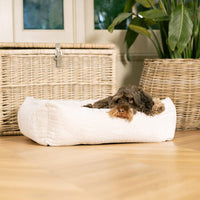
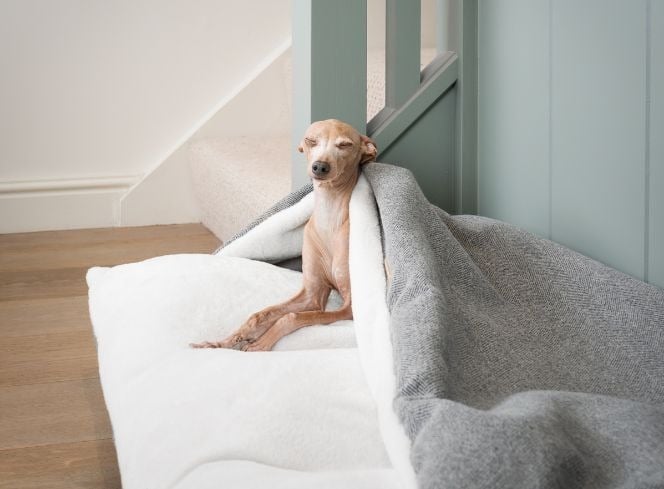
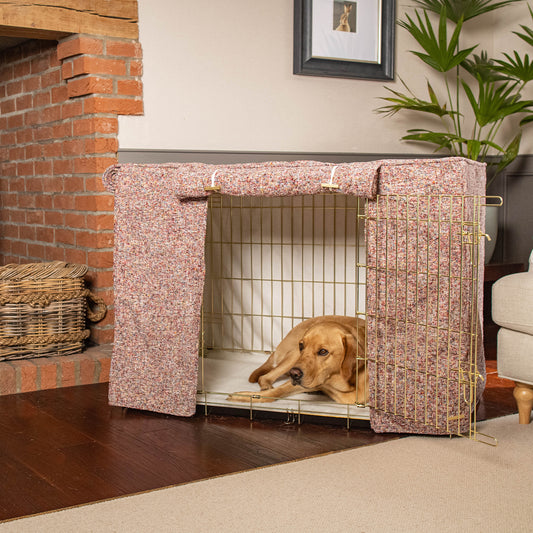
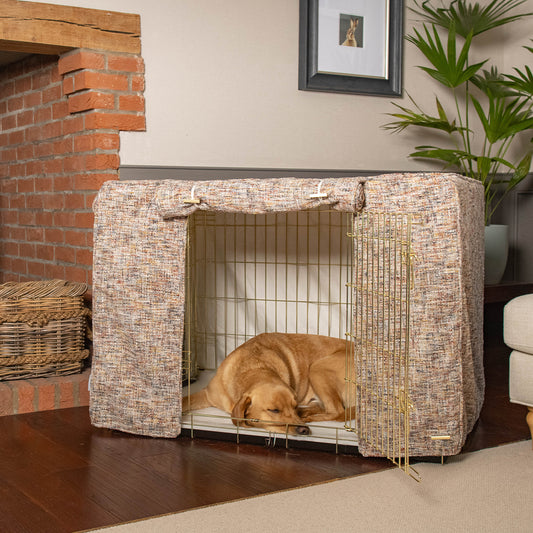
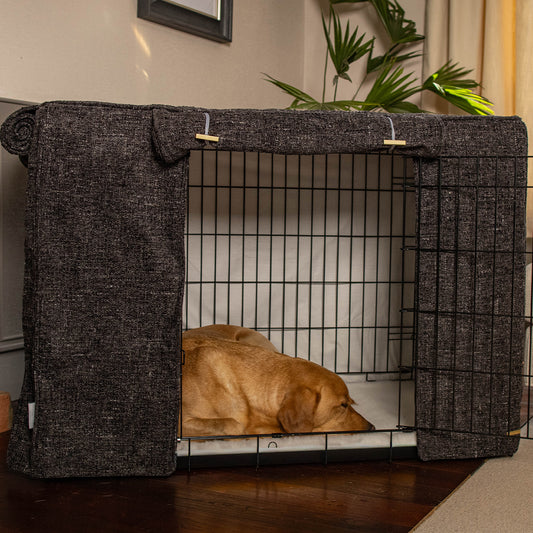
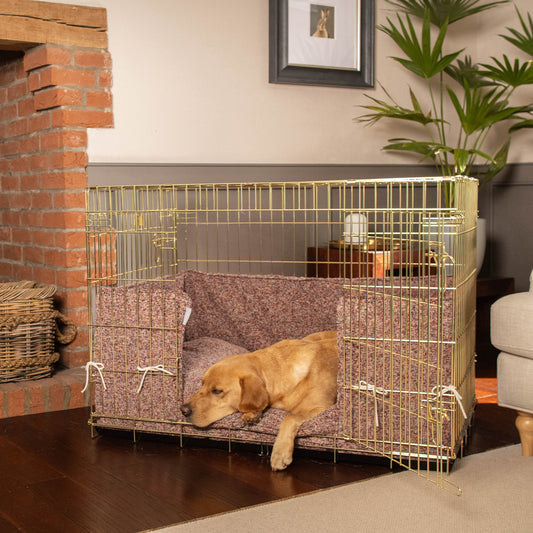
Did you know dogs spend 12 to 14 hours a day sleeping? That's a lot of time in bed so it's no surprise that their bed might be looking a little worse for wear. Dogs are creatures of comfort so making sure they have a a clean and supportive bed is essential for their overall well-being. In this guide, our Pet Experts explore the signs that indicate it's time to change your dog's bed and share expert tips on how to care for your canine's cherished sleeping spot.
How Often Should You Replace Your Dog’s Bed?
Determining how often to replace your dog's bed depends on several factors including the quality of the bed, your dog's size and activity level, and any specific health considerations. As a general guideline, it's advisable to replace your dog's bed every 1 to 3 years, or sooner if signs of wear and tear become noticeable.
Signs It's Time to Change Your Dog's Bed:
Visible Wear and Tear: Over time, your dog's bed may start showing signs of wear and tear, such as flattened cushions, lumps, or torn fabric. If you notice any significant damage, it's a clear indication that it's time to consider a replacement.
Lingering Odours: Despite regular cleaning, dog beds can accumulate odours over time, especially if your furry friend enjoys outdoor adventures or has accidents indoors. Lingering smells that persist even after washing could signal the need for a new bed.
Loss of Support: Just like humans, dogs require proper support for their joints and muscles, especially as they age or if they have existing health conditions. If your dog's bed no longer provides adequate support or has become too soft, it's time to invest in a new one to ensure their comfort and well-being. It might be worth investing in an orthopaedic dog bed if your dog’s breed is prone to joint issues.
Allergies and Skin Irritations: Dogs can develop allergies or skin irritations from prolonged exposure to dust mites, pet dander, or other allergens that accumulate in their beds over time. If you notice your dog scratching more than usual or experiencing skin issues, a new bed with hypoallergenic materials may offer relief.
Preference for Alternative Sleeping Spots: Dogs are creatures of habit, and if you notice your furry friend opting for alternative sleeping spots around the house instead of their bed, it could indicate that they're no longer comfortable or satisfied with their current sleeping arrangements. It’s worth looking at how your dog likes to sleep so you can get the best bed shape to suit their sleeping style, our Information Hub has a guide on how to choose the perfect dog bed for your dog.
Top Ways to Care for Your Dog's Bed:
Regular Washing: Establish a routine for washing your dog's bed to remove dirt, hair, and odour-causing bacteria. Most of our Lords & Labradors dog beds are machine washable, we have a handy guide on how to wash your dog’s bed here.
Use a Removable Cover: Opt for dog beds with removable, machine-washable covers for easy cleaning. Having a spare cover on hand allows you to swap them out while one is being laundered, ensuring your pup always has a fresh and clean place to sleep. We also sell bamboo bed covers which are great for popping over your dog’s bed to help keep them clean especially after a muddy dog walk, they will act as an additional layer of defence against moisture and stains, extending the life of the bed!
Vacuum and Spot Clean: In between washings, use a handheld vacuum or lint roller to remove hair and debris from the surface of the bed. Spot clean any stains or spills promptly to prevent them from setting into the fabric.
Rotate and Fluff: Just like flipping a mattress, periodically rotate your dog's bed to distribute wear evenly and prevent premature sagging. Fluffing the bed's filling helps maintain its loft and support over time.
Sun and Air Dry: On sunny days, take advantage of natural sunlight by airing out your dog's bed outdoors. Sunlight helps eliminate odours and kills bacteria, leaving the bed feeling fresh and revitalised.
Inspect Regularly: Take time to inspect your dog's bed for any signs of damage, loose seams, or worn-out stuffing. Promptly address any issues to prevent further deterioration and ensure your pup's safety and comfort.
By recognising the signs that it's time to change your dog's bed and implementing proper care and maintenance techniques, you can provide your furry friend with a clean, comfortable, and supportive sleeping environment. Remember, a happy and well-rested pup makes for a happier pet parent too!
If you’re looking to upgrade your dog’s bed why not check out our collection of luxury dog beds? Bedding is our speciality, we design and craft all of our bedding here in our Lincolnshire workshop so you can be sure your dog will be getting the best sleep possible in one of our luxury dog beds.
The Importance Of Correct Nutrition For Dogs And Cats!
Ensuring optimal nutrition for our beloved pets is paramount for their overall health and well-being. As responsible pet owners, it is crucial to understand the significance of providing nutritionally complete and balanced meals to our furry friends. In this comprehensive guide, we will delve into the world of dog and cat nutrition, exploring the importance of the right food choices, nutritionally complete homemade recipes, and the best commercial options available.
Understanding Dog and Cat Nutrition
Your pet's nutrition plays a pivotal role in their vitality and longevity. Just like humans, dogs and cats require a balanced diet that fulfils their specific dietary needs. A well-rounded diet supports their immune system, maintains a healthy weight, and promotes optimal organ function. Pet food ranges from being more processed to being raw and rich in natural ingredients, finding the right fit for your pet is important!
Dog Food Nutrition
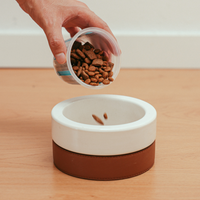
Choosing the right dog food is a key aspect of canine care. With an abundance of options available, it's essential to prioritise nutritionally complete choices. To make an informed decision, consider using a dog food nutrition calculator and comparing different products. Look for the best nutritional dog food that meets your pet's unique requirements, taking into account factors such as breed, size, and age. Our favourite nutritionally rich dog foods are Orijen, Carnilove and Acana, they are all designed with your dogs nutrition in mind.
Dog Nutrition Facts and Guide
Understanding dog nutrition facts is imperative for providing the best care. Refer to a dog food nutrition guide to navigate through the plethora of choices available in the market. Learn about your dog's daily nutritional requirements and make informed decisions that contribute to their overall health and happiness.
Cat Food Nutrition
Cats, being obligate carnivores, have unique nutritional requirements. The best cat food for nutrition considers their need for high-quality protein and essential nutrients. Explore dry cat food nutrition labels to ensure your feline friend receives a balanced diet that supports their specific dietary needs. For a cat food which is high in protein and great for fussy felines we love Carnilove, they all have at least 80% wild origin meat content and contain No grains, potatoes, GMO, soy, sugar, preservatives or colourants.
Daily Nutritional Requirements for Cats
Cats require a carefully balanced diet to thrive. Knowing the daily nutritional requirements for cats is essential for choosing the right cat food. Consult with your vet to understand the specific needs of your cat, such as the importance of taurine and other essential nutrients crucial for their health.
In conclusion, the importance of correct nutrition for dogs and cats cannot be overstated. Whether choosing commercial options or crafting homemade recipes, prioritising nutritionally complete meals is key to ensuring your pet's health and happiness. Stay informed about dog and cat nutrition, consult with professionals, and make choices that align with your pet's unique requirements. By providing the best nutritional dog food or cat food, you contribute to a longer, healthier life for your furry companions. Here at Lords & Labradors we have a large range of both cat and dog food so you can pick the best option for you and your pet
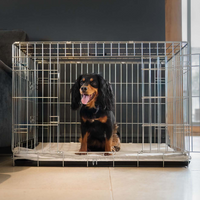
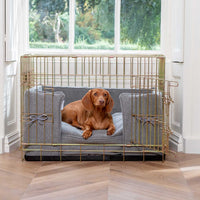
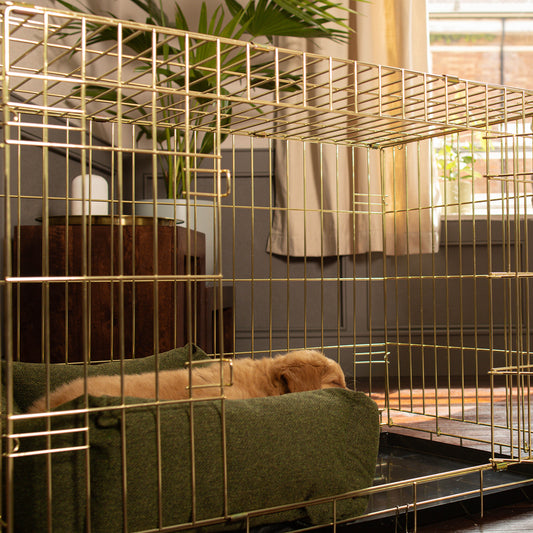
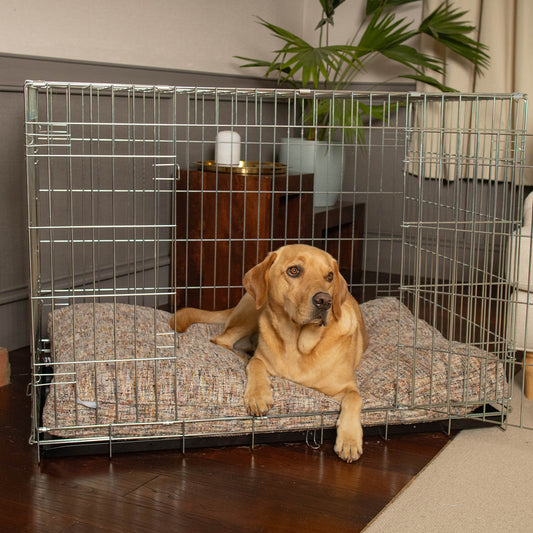
Crate training is an important part of settling in a new puppy. A crate provides a safe, quiet space for your pup and will help them to get used to their nighttime routine and with toilet training. A dog crate can be made into a cosy den that will be loved by your new four-legged friend for a lifetime. In this article we will explain the best crate set-up for puppies, how to change the set-up as they grow up and also how to look after your crate and crate bedding.
How To Make The Perfect Crate Set-Up For A Puppy
Crate training your puppy will have lots of advantages, helping them to settle and feel safe in their home as well getting them into a consistent bedtime routine. The perfect crate for a puppy will feel safe, warm and cosy. It’s important that it’s inviting so that they feel compelled to use it.
With this in mind we’d suggest the following items:
Crate Cover
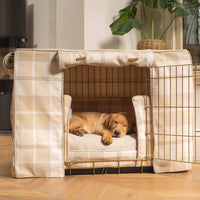
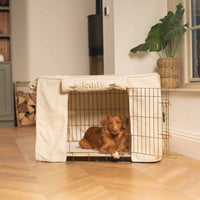
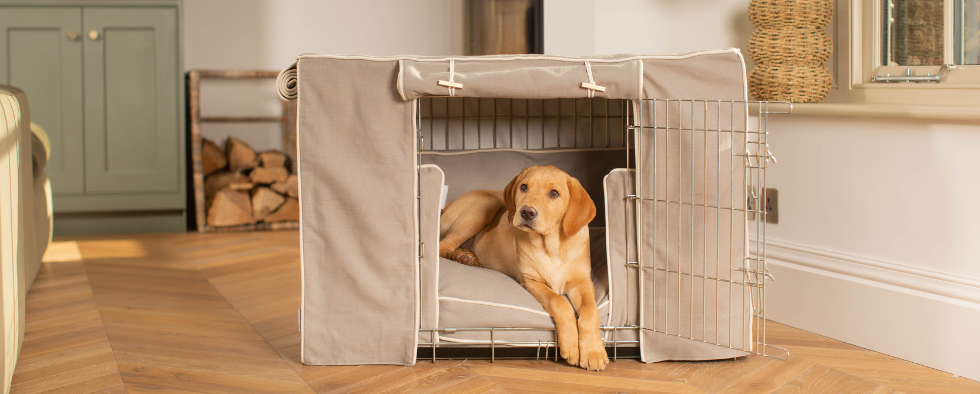
[product]Crates in their basic form can be rather draughty and a little bit unsightly! A crate cover will not only make the crate look stylish, but it will make the crate feel cosy inside. Our crate covers feature roll down doors which can be lowered when it’s time for bed. Puppy will soon learn when they should be sleeping (doors rolled down) and when it’s time to get up (doors rolled up). Our crate covers come in a range of fabrics which have been designed to match your home and they're all machine washable, making them brilliant for puppies!
Cosy & Calming Puppy Crate Bed
[product]
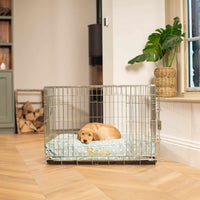
Our cosy and calming beds have been designed with crate training in mind. Each size is made to fill exactly one half of the corresponding crate size. So if you have a small crate for a Chihuahua for example, the small bed will fit in exactly one half of the crate. This then leaves room for a puppy pad in the other half along with a bowl for water. They come in a range of our printed cotton fabrics and feature a reversible cushion pad inside - one side covered in super plush sherpa!
Puppy Pads
Whilst we don’t want to encourage puppies to pee in the crate, it’s also important to note that they can’t hold themselves for very long at all. Whilst you will be able to take them outside at regular intervals during the day, this may not be the case at night. When you put them to bed, putting a puppy pad in one half of the crate will help to stop any accidents from dirtying their bed or crate tray.
Crate Bowls
Puppies will need access to water at all times and a crate bowl is a brilliant accessory as it can be fastened to the crate walls. This will ensure it doesn’t get tipped over or knocked like a standard bowl might.
The Perfect Crate Set-Up For An Adult Dog
As your dog becomes toilet trained and they begin to need the full space of the crate for their bed, you will need to consider swapping out the puppy accessories for their proper adult bed. At Lords & Labradors we specialise in crate bedding that will make your dog’s den look stunning as well as super comfortable inside.
Crate Cushion
Our crate cushions are designed to fit our crates perfectly. They come in a range of fabulous fabric designs from luxurious tweeds to printed cottons. There really is something to suit every taste and home.
Crate Bumper
Crate walls aren’t the most comfortable things to snuggle up to, and if your dog likes to curl in the corner of their bed, they will need something other than metal bars! That’s where our fabulous bumpers come in. They sit around the edge of the crate cushion and create a spongey layer of warmth around the walls. Perfect for snuggling up in the corner when nap time calls!
Crate Cover
Our crate covers are perfect for setting a routine with your dog, when the doors are rolled down it will signal to them it's time to sleep. Our crate covers are fully lined to help keep light out and come in matching fabrics to our bumpers and cushions to you can be sure crate will look stylish!
Crate Set Aftercare and How To Clean A Crate
With a little love and care your crate set will last a long time. Here we detail how to look after your crate set:
The Crate - The crate is made of sturdy metal and is really easy to keep clean. Our crates are easy to wipe clean and the tray is removable so you can get into the corners properly. It’s really important to make sure the crate is completely dry before setting back up and allowing your pet back in, we recommend drying your crate to avoid any rusting.
Lords & Labradors Cushion & Bumper Covers - For our bedding from our core collection you will be able to remove the covers on the cushions and bumpers. Turn the cover inside out and machine wash on a 20 degree gentle cycle. Allow the covers to air dry (do not tumble dry). Once dry return the inner cushion to the cover.
Essentials Plush Collection Bumpers & Cushions - Our bumpers and cushions from the Essentials Plush Collection don't have removable covers, we recommend spot washing your essentials plush bumpers and cushions.
Lords & Labradors Crate Covers - Our crate covers are all machine washable on a 20 degree gentle cycle, apart from our oil cloth crate covers. After washing, we recommend air drying your crate cover over your crate to help keep it in shape and to make sure it doesn't shrink. A cool iron on the reverse of the cotton fabrics is fine if necessary, but often they won’t even need that. Our tweeds and Savanna fabrics are super fast drying and they will come out of the spin almost dry. Just give them an air and they’ll be ready to use again in no time at all!
Cushion and bumper inners - The cushion and bumper inners are protected by waterproof interlinings, so won’t need washing. This will preserve the inner fillings. The waterproof liners are wipe clean. If they become soiled, simply wipe down with a mild pet-safe detergent and they’ll be as good as new again.
Cosy and Calm Puppy Bed - Our puppy beds are fully machine washable. You can put the whole bed in the machine and wash on a 20° cycle. When removed, simply shake and plump the cushion back into shape and leave to air dry.
Follow these simple steps and your crate sets will last and look stunning for years to come!
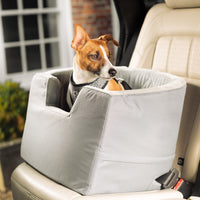
We’re getting to that time of year again where we’re travelling more with our pets to the beach, staycations and even trips to a different location for a long walk. No matter how long the journey - even if it’s a trip to the local vets - you should ensure your dog is properly restrained and safe to travel. Here in the UK it’s the law when travelling by car your dog needs to be restrained. In this blog, we breakdown how to travel safely with your pet.
What Is The Law With Dogs In Cars?
The Highway Code states in their Rules about Animals, when in a vehicle, dogs are to be suitably restrained so they cannot distract you while you’re driving or injure you, or themselves, if you should need to stop quickly. If you were in an accident caused by your dog distracting you whilst you were driving, this could be considered as ‘dangerous driving’. It’s also good to check your insurance policy, as car insurance providers may require you to restrain your pet.
Is It The Law To Restrain A Dog In A Car?
It is the law to restrain your dog when travelling in your car. So as fun as it is for your pooch to sit with their head out of the window, they must be suitably restrained so they cannot distract you and potentially hurt either you or themselves. When it comes to where your dog should be when travelling, although there are no laws against your dog travelling in the footwell of the car, unfortunately they would not be properly restrained and if you did have an accident, you may be prosecuted for ‘dangerous driving’.
When choosing where your dog should be properly restrained, no matter what method you choose, your dog should not sit in the front seat - securing them in the boot or back seat behind a front seat is considered a safer option.
How To Secure A Dog In The Car
There are many safety products you can choose from, which can help with travelling safely in the car. It’s most important you choose a solution that’s suitable and comfortable for your pooch, and it has been installed and executed correctly to ensure the safety of your pet. Here at Lords & Labradors, we’d recommend the following for safe travel.
Dog Carriers
Our pet carriers come in different sizes and weights which will vary for the suitability for you and your dog. It’s a lighter option to our metal crates and are easily packed away if you’re staying away from home. Carriers are great when travelling by car and when taking your dog from the car into a safe place to let them out and stretch their legs. They keep your pooch safe and settled whilst travelling.
Travel Harnesses
Our pet-friendly harnesses come in a variety of sizes, suitable to your dogs breed and size. Travel harnesses are easy to fit onto your dog and it’s quick to clip them into place. They’re specially designed to prevent your dog from moving around whilst in the car, all whilst keeping your pet safe and comfortably restrained.
Travel Crates
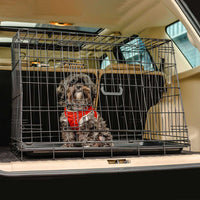
Crating your dog keeps them safe & secure - using a crate to transport your pet has the added benefit if they’re already used to being crated at home. If your dog is used to being crated, often when travelling they’ll feel safer and their surroundings will reduce any anxiety your dog may have around travelling.
How Long Can A Dog Travel In A Car
Being stuck in the car can be hard for your dog! Not only will your dog need regular toilet breaks, they’ll also need to stretch their legs and get some of their energy out. When stopping for your dog to toilet and stretch their legs, you could also give them some food and water to avoid any spillages whilst travelling. Ideally you should try to keep to your dogs routine where possible (even when travelling) - every 2 to 4 hours for about 15 to 30 minutes is a good guide to follow, however you’ll know what is best for your dog and how they travel. If you’re planning a lengthy trip, try to go on few shorter journeys to see how your dog is likely to react.
You may be preparing for the all important ‘Gotcha Day’, the day celebrated by all dog parents as the day you brought your pup home. Taking your puppy home for the first time is exciting, especially if you have prepared for their arrival. Puppy shopping can be so much fun, but also overwhelming if you’re a new pet parent, or if you’ve not had a puppy for a few years. There will be some things you do need to buy for necessity and some things that are worth buying for your new pup. Here at Lords & Labradors we’ve put together the 10 puppy essentials you’ll need to get your new puppy settled.
Our Top 10 Items To Buy For Your New Puppy
1) What crate to buy?
Firstly, if you’ve decided to crate train your puppy, you’ll need a crate that will see you through from puppyhood to adulthood. You’ll need a crate the appropriate size so you can fit a puppy bed at one end and a puppy training pad the other incase they need to toilet when left in their crate. It also gives your pup enough room to stretch, play and sleep if crated during the daytime. Depending on your training methods, you may want to place the crate somewhere the puppy can be near to you, but also not directly in a high traffic area of your home. Remember the crate is your puppy’s den, so discourage any children from climbing inside.
2) Where should my puppy sleep?
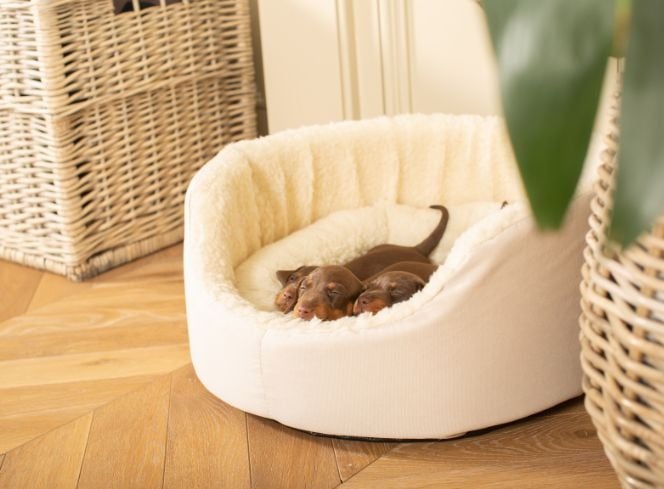
We recommend a puppy bed that’s easy for your pup to get in and gives them enough support and comfort whilst they sleep. Our Cosy & Calm Puppy Box Beds have been carefully designed with your puppy in mind. The beds are super squishy and soft, and have the most comfortable sides for your pup to snuggle right into. If you have chosen to crate train your pup, our vet bed is really popular, as it’s cosy, comfortable, robust and relatively puppy proof - it’s easily washed and dried too. It can be used with or without our Cosy & Calm puppy box bed.
3) What will my new puppy eat?
It’s recommended you initially use the same food that your puppy comes home with, in order to avoid any tummy upset during their first few days with you. Once your puppy has settled, you can gradually introduce a new food to their diet. It’s good to check the food guidelines of the food you choose to feed your pup, as often they’ll give you the correct guidelines on how to introduce the new food to your pup.
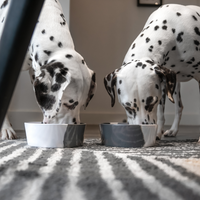
Make sure you have a clean bowl for water and a clean bowl for food, you can opt for a slanted water bowl if you have a spaniel breed to reduce your dogs ears from getting soaked in their water.
4) Puppy Toilet Training
Top of your list should be a reliable pack of puppy training pads, not only are they great for training your young pup, but they are invaluable when travelling (pop in the bottom of their carrier/crate to catch any travel sickness or accidental toilet trips). You can also use them to absorb muddy, wet paws after your pup has had a play in puddles!
5) How to settle my new puppy at night
When settling your new puppy at night, our heart beat sheep will be your puppy's new best friend. The heart beat sheep features a beating heart inside that mimics the beat of Mum's heart. They're designed to offer comfort and calm to new puppies who may feel nervous in their new home; they help to stop separation anxiety too. Alongside the heart beat sheep, you could pop in a heat pad under your dogs bed/cushion to keep them warm and to mimic the feeling of having siblings/mum near. Both the heat and the heart beat sheep will provide comfort for your puppy, especially whilst they are settling in and adjusting overnight.
6) How to keep your new puppy entertained
Toys will provide something to chew on for your pup, which you’ll find are essential if you want to avoid your puppy chewing on your furniture. Choose a variety of textures, styles and sizes to keep your puppy engaged and interested. You may want to keep a toy box so your pup can choose what they’d like to play with, or keep a few toys in rotation so your puppy doesn’t get bored with them.
You can also buy toys you can fill with treats or their food. If you want/need to leave your puppy - remember to build this up slowly, and don’t leave your new puppy for a long period of time - you could try freezing a peanut butter filled KONG (remember to use doggy/puppy friendly peanut butter). Freezing the toy will take them longer to work through and will give some relief to their sore teething gums and teeth.
7) Does my new puppy need a collar?
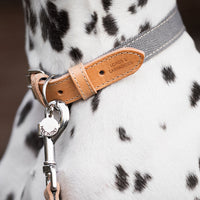
You may want to purchase your dogs collar before they arrive home with you, however it’s advised to purchase the correct size collar for your puppy, which you may have to wait until they’re here to measure them properly. It is a legal requirement to have a tag with your details on incase your puppy gets lost or strays away, but it’s advised not to add your puppy’s name to the tag.
8) How will I get my new puppy home?
Collecting your puppy to take them home is really exciting, but it’s best to be prepared. Make sure you have a suitable carrier/crate to store them in safely for the journey. It’s important your dog is restrained as it is the law to keep your puppy properly restrained whilst driving. In your carrier, you may want to pop in a blanket that smells like home and a scent blanket that smells like their mum and litter mates. It’s also good to have some puppy training pads to hand incase of any car sickness or accidental toilet trips.
9) When to start training my new puppy?
You can start with bonding and training your puppy almost straight away, get some high quality, puppy training treats (make sure to check the guidelines), and enjoy teaching them new tricks - you’ll be amazed at how quick they learn!
10) When do I start grooming my puppy?
It’s recommend that even if your pup won’t require grooming at first, you should regularly brush them to get them used to being groomed and handled. Choose a simple, soft brush and/or comb for the first couple of months. There will be a time you will need to wash your puppy, make sure you’re not using human shampoo as this will upset your puppy's PH levels and may not be compatible with your puppy flea treatment. It’s best to invest in a puppy shampoo that you can use when and if you need to bathe your puppy. We have our own puppy grooming set in our Petplex collection called the 'Puppy Purifier' it has a shampoo and a cologne to help keep your puppy smelling fresh.
Setting up your puppy's crate for nighttime success involves more than just placing a blanket inside and hoping for the best. From choosing the perfect location to creating a soothing bedtime routine, learning how to set up a puppy crate at night properly transforms those sleepless early weeks into peaceful nights for both you and your furry friend. We'll walk you through everything from essential comfort items to handling those inevitable midnight whimpers, so you can create a cozy sanctuary your puppy will actually love.
Why a Cozy Crate is Your Puppy's Safe Haven
Think of your puppy's crate as their very own bedroom retreat, a place where they can curl up and feel completely secure. Just like children find comfort in their own special spaces, puppies naturally seek out cozy dens where they feel protected from the world around them. When you learn how to set up a puppy crate at night properly, you're giving your little one that essential safe haven they instinctively crave.
The magic of crate training lies in working with your puppy's natural denning instincts rather than against them. In the wild, dogs seek out small, enclosed spaces for rest and safety. Your puppy's crate becomes their modern version of this ancient comfort zone. Once they've settled into their nighttime routine, you'll often find them choosing their crate for afternoon naps even when the door stays open—a sure sign you've created something truly special.
For anxious puppies especially, a well-prepared crate offers emotional security during those overwhelming first weeks in a new home. I've watched countless nervous little ones transform from trembling bundles into confident sleepers once they realize their crate means safety and peace. The secret lies in making that space genuinely inviting rather than feeling like punishment.
Beyond comfort, nighttime crate training builds the foundation for house training success. Puppies naturally avoid soiling their sleeping area, so a properly sized crate encourages them to hold their bladder through gradually longer periods. This creates a genuine win for everyone involved.
The beauty of crate training extends to you as well. Knowing your puppy rests safely in their cozy space means you can actually get some sleep too. No more midnight worries about chewed furniture or bathroom accidents. Instead, you both wake up refreshed and ready to tackle another day of puppyhood adventures together. Creating that perfect nighttime setup makes all the difference in building positive associations that last a lifetime.
Choosing the Perfect Spot for Your Puppy's Crate
Where you place your puppy's crate can make or break your nighttime routine. The perfect spot helps your furry friend feel secure and connected to the family while giving everyone the peaceful sleep you desperately need. Think of it as choosing the best bedroom in the house for your newest family member.
Here are the key factors to consider when selecting your puppy's nighttime spot:
Temperature control: Pick a location away from heating vents, air conditioning units, and drafty windows. Puppies can't regulate their body temperature as well as adult dogs, so consistent warmth without overheating is essential.
Noise levels: Choose a spot that's quiet enough for rest but not completely isolated. A corner of your bedroom or a nearby hallway often works perfectly, letting your puppy hear your breathing without being disturbed by every creak and footstep.
Proximity to family activity: Your puppy shouldn't feel banished to the basement or garage. Placing the crate within earshot of where you sleep helps reduce separation anxiety while still maintaining healthy boundaries.
Easy access for nighttime potty breaks: Position the crate where you can quickly and quietly reach it for those inevitable 2 AM bathroom trips. A clear path to the door saves everyone from stumbling around in the dark.
Safety from household hazards: Avoid areas near stairs, breakable items, or anything your curious puppy might try to reach through the crate bars.
Temperature Tip: Keep your puppy's sleeping area between 65-75°F. Consistent temperature helps regulate their sleep cycle and prevents restless nights caused by being too hot or cold.
Most pet parents find that starting with the crate in their bedroom works wonderfully for the first few weeks. Your puppy feels reassured by your presence, and you can respond quickly to any genuine needs. As your pup grows more confident, you can gradually move the crate to its permanent location if you prefer a different spot.
Getting the location right sets the foundation for successful crate training and better sleep for everyone. Once you've found that sweet spot, pair it with comfortable bedding and thoughtful accessories from our crates and crate bedding collection to create a space your puppy will actually want to call home. A well-placed crate becomes your puppy's favorite retreat, never a place of punishment.
Setting Up the Crate: Bedding and Comfort Essentials
The right bedding and comfort items transform a bare crate into a cozy sanctuary where your puppy feels safe and secure through the night. Just like we need our favorite pillow and soft sheets for a good night's sleep, your puppy needs the right materials to settle in peacefully and develop positive associations with their crate.
Here's how to set up a puppy crate at night with the perfect comfort essentials:
Start with a properly sized crate mat or bed that covers most of the floor space without being too bulky. Your puppy should have enough room to stand, turn around, and lie down comfortably, but not so much space they might use one corner as a bathroom.
Choose soft, washable materials that can handle frequent washing. Fleece blankets, cotton crate pads, or specially designed puppy bedding work beautifully because they're gentle on sensitive skin and easy to clean when accidents happen. Trust me, you'll appreciate this foresight at 2 AM when you're dealing with an unexpected mess.
Add a comfort item with familiar scents like a small piece of your clothing or a soft toy. This helps ease separation anxiety and makes the crate feel less lonely during those first few nights. Many puppy parents find that an old t-shirt works wonders.
Position a small water dish near the front of the crate if your puppy needs overnight access to water. Use a spill-proof bowl or clip-on water bottle to prevent soggy bedding disasters that'll have you changing everything in the middle of the night.
Include one safe chew toy to give your puppy something appropriate to gnaw on if they wake up feeling restless. Avoid anything small enough to swallow or toys with parts that could break off.
Tuck blankets snugly around the bedding to prevent bunching or tangling that might disturb your puppy's sleep. Think of it like making a proper bed—smooth surfaces help everyone rest better.
Quick Tip: Washable materials are your best friend during crate training. Nighttime accidents are completely normal for young puppies, so having bedding you can easily toss in the washing machine saves you stress and keeps the crate fresh and inviting.
When you nail the bedding setup, you're setting the foundation for successful nighttime crate training. The Lords & Labradors boucle cosy calming puppy crate bed set captures this approach perfectly, combining luxury comfort with practical washability to support both peaceful puppy sleep and easy maintenance for busy pet parents.
To Cover or Not to Cover: Creating a Cozy Den
Many puppies sleep better when their crate feels like the cozy den they instinctively seek. Think of it this way: in the wild, dogs gravitate toward enclosed spaces that offer security and calm. A crate cover can transform your puppy's sleeping area from an open cage into a peaceful retreat that blocks distractions and signals bedtime.
That said, covering isn't right for every puppy. Some love the snug, cave-like feeling, while others prefer to see their surroundings. Your puppy's personality and a few safety considerations should guide your decision.
Pros of Covering
Cons of Covering
Reduces visual distractions and household noise
Risk of overheating, especially in warm climates
Creates calming den-like atmosphere
Some puppies feel claustrophobic in enclosed spaces
Helps anxious puppies feel more secure
Can trap odors or reduce air circulation
Blocks morning light for longer sleep
Makes it harder to monitor your puppy's behavior
Establishes clear "bedtime" signal
May increase humidity inside the crate
If you want to try covering your puppy's crate at night, safety comes first:
Always leave at least one side partially open for ventilation
Choose breathable materials like cotton or purpose-made crate covers
Watch for overheating signs like excessive panting or restlessness
Start with just partial coverage to see how your puppy reacts
Remove the cover immediately if your puppy seems stressed
Quality crate covers strike the perfect balance between cozy and practical. Look for designs with breathable fabrics that maintain airflow while creating that essential den feeling. Many feature adjustable panels and machine-washable materials that make your nighttime routine simpler.
Remember, there's no one-size-fits-all approach here. If your puppy seems happier without a cover, trust their preference. The goal is helping them feel secure and comfortable, whatever that looks like for your particular pup.
Handling Nighttime Whimpers: Comforting Your Puppy
Those little whimpers and soft cries in the middle of the night are completely normal for new puppies adjusting to their crate. Remember, your puppy has just left their littermates and is learning to feel secure in their new space. The key to success lies in staying consistent with your approach while offering gentle comfort that doesn't reward the crying behavior.
Here's how to soothe your puppy through those first challenging nights:
Place a piece of your worn clothing in the crate so your scent provides comfort throughout the night. An old t-shirt works perfectly and helps your puppy feel less alone.
Use white noise or soft music to mask household sounds that might startle your puppy awake. A fan or calming playlist can work wonders for creating a peaceful sleep environment.
Implement a gradual response approach by waiting a few minutes before responding to whimpering. If the crying continues, offer quiet reassurance with your voice rather than immediately opening the crate.
Keep nighttime interactions calm and minimal. If your puppy needs a bathroom break, take them out quietly without making it an exciting playtime experience.
Position yourself nearby initially if needed. Some pet parents find sleeping on the couch near the crate for the first few nights helps ease the transition.
Stick to your routine even when it feels difficult. Consistency in your nighttime puppy crate routine helps your puppy learn what to expect and feel more secure.
I remember those exhausting first weeks with my own puppy, lying awake at 2 AM wondering if the whimpering would ever stop. Here's the truth that kept me going: most puppies adapt to their nighttime routine within one to two weeks when you stay consistent. Those sleepless nights feel endless in the moment, but they're building something beautiful—a confident, secure pup who knows their crate is a safe haven. If you're struggling to establish those consistent bedtime habits, our guide on creating the perfect puppy sleep routine offers additional strategies for building a calming nighttime schedule.
Encouraging Fact: Studies show that 85% of puppies sleep through the night within two weeks when their crate is properly set up and a consistent routine is maintained. Your patience during these early nights is building the foundation for years of peaceful sleep ahead.
Building a Nighttime Routine for Peaceful Sleep
Establishing a consistent nighttime routine transforms crate training from a nightly struggle into a peaceful ritual that both you and your puppy can count on. Think of it like bedtime stories for children – the predictability becomes comforting rather than boring.
Start your routine about 30 minutes before you want your puppy settled for the night. Begin with a final potty break outside, followed by a few minutes of calm interaction. Skip the energetic play during this wind-down period. An overstimulated puppy will take ages to settle, and you'll both pay for it later. Instead, try gentle petting or quiet talking while you guide them toward their crate area.
Create positive associations by offering a special treat or chew toy that only appears at bedtime. Many pet parents find that a small training treat or a puzzle toy helps their puppy view crate time as something to anticipate rather than endure. Place this inside the crate while your puppy watches, then use a consistent verbal cue like "bedtime" or "crate time."
The secret to success lies in your own consistency and calm energy. Puppies are emotional sponges – they absorb our stress levels instantly. So approach bedtime with quiet confidence. If your little one fusses initially, resist the urge to immediately respond. Most puppies settle within 10-15 minutes once they realize the routine is non-negotiable.
Learning how to set up a puppy crate at night extends beyond the physical setup to include these daily habits. Some nights will go more smoothly than others, especially during those first exhausting weeks. Adjust your timing as needed, but stick to the same sequence of events.
As your puppy grows more comfortable, you might find certain steps become unnecessary. Still, maintaining some version of this routine helps reinforce the crate as a positive, restful space throughout their life. Consider pairing it with a cozy calming bed that becomes part of this nightly ritual – familiar comfort they can count on every single night.
If you've ever watched your Beagle bounce around the house like a furry pinball machine, you're probably wondering exactly how much exercise does a Beagle need to channel all that energy. The answer isn't as simple as a daily walk around the block—these spirited hunting dogs require a thoughtful blend of physical activity and mental challenges that evolves throughout their lives. From puppyhood through their golden years, we'll help you create the perfect exercise routine that keeps your Beagle happy, healthy, and blissfully tired at the end of each day.
Understanding Your Beagle's Exercise Needs
Beagles are natural athletes with boundless curiosity, originally bred to hunt alongside humans for hours at a time. This heritage means your Beagle comes hardwired with impressive stamina and an insatiable need to explore the world through movement and scent.
When you're wondering how much exercise does a beagle need, think beyond just a quick walk around the block. These spirited dogs thrive on both physical activity and mental challenges to stay balanced and content. You'll likely notice that a tired Beagle is a happy Beagle—while an under-exercised one might redecorate your living room or serenade the neighbors with their famous howl.
The wonderful thing about Beagles is their adaptability. Whether you're training for a marathon or prefer gentle evening strolls, your Beagle can match your rhythm with the right routine. Their daily activity needs shift dramatically throughout their lives, from the careful pacing required for bouncy puppies to the modified activities that keep senior dogs comfortable and engaged.
Getting these evolving needs right makes all the difference in creating a sustainable exercise plan that keeps your Beagle physically fit, mentally sharp, and genuinely happy. Regular exercise becomes the cornerstone of everything from healthy joints to good behavior, setting you both up for years of adventures together.
Exercise Requirements by Age: Puppies, Adults, and Seniors
Understanding how much exercise a Beagle needs isn't straightforward since their energy levels and capabilities change as they grow. A playful eight-week-old puppy has very different requirements from a gentle nine-year-old senior. Striking the right balance is crucial to keeping your furry friend healthy and content.
Puppies (2-12 months)
Beagle puppies are bundles of energy, but protecting their growing joints from overexertion is key:
- Follow the "5-minute rule": Allow 5 minutes of exercise per month of age, twice daily (e.g., a 3-month-old should get 15 minutes, twice daily).
- Focus on short, frequent play sessions rather than long walks.
- Include games like hide-and-seek and puzzle toys.
- Avoid repetitive activities such as jogging or jumping until growth plates close, around 12-18 months.
- Rest is just as important as activity for healthy development.
Callout: The 5-Minute Rule
This helpful guideline prevents joint damage as your puppy grows. For example, a 4-month-old Beagle should get about 20 minutes of structured exercise twice daily, along with plenty of nap time. Creating proper crate training routines ensures your puppy rests adequately between active periods.
Adults (1-7 years)
Adult Beagles have impressive stamina and high energy levels, needing regular outlets:
- Aim for 60-90 minutes of varied activity throughout the day.
- Include two structured walks and additional playtime.
- Mix activities like hiking, fetch, agility training, or scent work.
- Embrace these years as a time for exciting adventures and new experiences together.
Seniors (8+ years)
Older Beagles still require exercise, but comfort becomes more important:
- Scale back to 30-60 minutes of gentler daily exercise.
- Opt for softer surfaces and shorter distances on walks.
- Swimming offers excellent low-impact exercise for aging joints.
- Watch for signs of stiffness and adjust the routine as needed.
Adapting your Beagle's routine to their life stage ensures they remain healthy and happy, protecting their joints while they enjoy many years of tail-wagging adventures.
Mental Stimulation: Keeping Your Beagle's Mind Active
While figuring out how much exercise your beagle needs, it's easy to focus purely on walks and runs while forgetting about their mental workout requirements. Beagles were bred as hunting hounds, which means their brains crave just as much engagement as their bodies do. Without proper mental stimulation, even a well-exercised beagle can turn into a four-legged tornado of destruction—think excessive barking, crater-sized holes in your garden, or your favorite slippers becoming unrecognizable chew toys.
Here are tried-and-tested ways to challenge your beagle's brilliant mind:
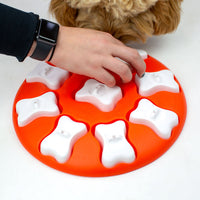
Puzzle feeders and treat-dispensing toys that transform mealtime into an engaging brain game
Scent work games like hiding treats around the house or teaching them to find specific toys by smell
Snuffle mats that tap into their natural foraging instincts
Hide-and-seek with family members or favorite toys throughout your home
Short training sessions focusing on new tricks or polishing existing commands (keep these upbeat and brief)
Toy rotation system where you swap out playthings weekly to keep things fresh and exciting
Did You Know? Just 15 minutes of focused mental stimulation can tire your beagle as much as a 30-minute walk.
Mental enrichment isn't an add-on to your beagle's exercise routine—it's absolutely fundamental. A mentally satisfied beagle tends to be calmer, more responsive to training, and genuinely easier to live with. Watch for those telltale signs of contentment after brain games, because understanding your dog's body language helps you recognize when they're truly fulfilled rather than just physically knackered. This insight makes determining your beagle's ideal exercise balance much more tailored to their unique personality and energy levels.
Off-Lead Safety Tips for Beagle Adventures
Beagles were born to follow their noses across open countryside, and off-lead adventures let them express these natural hunting instincts while burning off their abundant energy. These moments of freedom transform routine walks into the kind of beagle daily activity that truly satisfies both their physical needs and their deep-rooted desire to explore.
Safety comes first when transitioning to off-lead exercise:
Master recall training before going lead-free - Start indoors, then move to a securely fenced garden. Your Beagle should return immediately when called, even when distracted by the most tantalizing smells.
Choose enclosed spaces initially - Fenced dog parks, tennis courts, or secure fields give your Beagle freedom while keeping them contained when their nose inevitably takes over their brain.
Start with short off-lead sessions - Five minutes of freedom beats an hour of your anxiety. Build up gradually as both your confidence and their reliability improve.
Watch for "scent lock" - You'll know it when you see it: nose down, ears off, completely oblivious to your existence. Be ready to intervene before they follow that fascinating trail into the sunset.
Keep high-value treats handy - A pocket full of something irresistible makes you infinitely more interesting than whatever they're investigating.
Remember: A rock-solid recall isn't just helpful—it's your Beagle's lifeline during off-lead adventures.
During training sessions, a reliable lead like the Lords & Labradors Essentials Herdwick Dog Lead gives you confidence while practicing recall work, knowing you have secure control when needed.
With proper preparation, off-lead time becomes the crown jewel of how much exercise your beagle needs, delivering the mental stimulation and physical activity that keeps them genuinely content.
Incorporating Lords & Labradors Accessories into Your Routine
The right gear makes every Beagle adventure more enjoyable and safe for both of you. A well-fitted harness distributes pressure evenly across your Beagle's chest—especially helpful when they catch an interesting scent and suddenly pull toward it. This gentle control lets you guide them back to your walking routine without any discomfort.
Interactive toys transform ordinary walks into engaging mental workouts. I love bringing a puzzle ball filled with treats on longer walks, giving your Beagle brain-stimulating breaks between physical activity. These moments satisfy their natural foraging instincts while helping you manage your Beagle's daily activity levels throughout the day.
A hands-free lead attachment can be a game-changer during those energetic morning walks when your Beagle's ready to explore everything at once. You get better balance and control while allowing the natural movement patterns that support healthy exercise habits.
Our Lords & Labradors Essentials Collection includes thoughtfully designed accessories that work with your Beagle's natural energy levels and physical activity needs. The key is choosing gear that enhances your routine rather than complicating it, making those daily walks something you both genuinely look forward to.
As winter approaches, many pet parents find themselves wondering whether their furry friends need an extra layer to stay comfortable during chilly walks and frosty mornings. The answer to "do dogs need sweaters in winter" isn't one-size-fits-all—it depends on your dog's breed, size, age, and individual tolerance for cold weather. From recognizing the signs that your pup is feeling chilly to choosing the perfect fit and keeping their winter wardrobe fresh, we'll help you navigate everything you need to know about keeping your four-legged companion cozy all season long.
Why Some Dogs Need Sweaters in Winter
While many dogs come naturally equipped with thick, insulating coats, others genuinely benefit from a little extra help staying warm during chilly weather. Just like how you might reach for a jacket on a brisk morning walk, some pups need that same consideration when temperatures drop.
Size plays a huge role here. Smaller dogs lose body heat much faster than their larger counterparts because they have more surface area relative to their body mass. Your Chihuahua or Yorkshire Terrier simply can't generate and retain warmth the way a Golden Retriever can. I've watched tiny dogs start shivering within minutes of stepping outside on a cold day, while my neighbor's Bernese Mountain Dog happily romps through snow without missing a beat.
Coat type matters enormously too. Dogs with single-layer coats, short hair, or very fine fur lack the natural insulation that double-coated breeds enjoy. Breeds like Whippets, Italian Greyhounds, and many Pit Bulls have sleek coats that look gorgeous but offer minimal protection against winter's bite. These athletic builds that serve them so well in warmer weather become a disadvantage when frost starts appearing on the grass.
Age and health also factor into whether dogs need sweaters in winter. Senior dogs often struggle more with temperature regulation as their metabolism slows down, and pups with arthritis or other health conditions may need extra warmth to stay comfortable and mobile. Even some short-haired mixed breeds surprise their parents by constantly seeking out sunny spots or hovering near heating vents once the weather turns cold.
The good news is that keeping dogs warm doesn't have to be complicated. A well-fitted sweater can make all the difference for dogs who need that extra layer. You'll find everything from lightweight pullovers for mild days to more substantial winter coats designed for serious cold-weather adventures.
Breeds That Benefit Most from Winter Wear
Not every dog needs a sweater, but certain breeds face real challenges when temperatures drop due to their physical makeup and genetic traits. If you've ever watched a Greyhound shiver on a mild autumn day, you'll understand that some of our four-legged friends simply aren't built for chilly weather.
The breeds most likely to benefit from winter clothing fall into three main categories:
Sighthounds (Greyhounds, Whippets, Italian Greyhounds, Salukis): These elegant athletes have incredibly thin skin, minimal body fat, and short coats that offer little insulation. Their lean build, while perfect for speed, leaves them vulnerable to cold.
Short-haired breeds (Boxers, Pit Bulls, Boston Terriers, French Bulldogs): With single-layer coats and often muscular but low-fat builds, these dogs lack the natural insulation that double-coated breeds enjoy.
Small and toy breeds (Chihuahuas, Yorkshire Terriers, Maltese, Papillons): Their tiny body mass means they lose heat quickly, and many have fine, silky coats that provide minimal warmth.
Special consideration: Senior dogs and puppies within any of these breed categories are especially vulnerable to cold, as age affects their ability to regulate body temperature effectively.
Understanding your dog's breed characteristics helps you answer the question "do dogs need sweaters in winter?" for your particular pup. Breeds like Dachshunds face unique challenges due to their low-to-ground build combined with short coats, which is why many pet parents find that specialized fleeces designed for their body shape work best. The key is recognizing that keeping dogs warm in cold weather isn't about fashion—it's about comfort and health for breeds that genuinely need the extra help.
Signs Your Dog Might Be Cold
Learning to spot when your dog feels cold helps you decide whether they need extra protection during chilly weather. Just like us, our furry friends have their own ways of saying "brrr, it's freezing out here!"
Watch for these telltale signs that your dog might be cold:
Shivering or trembling - The most obvious clue that your pup is trying to warm up
Seeking out warm spots - You'll find them curled up near heating vents, fireplaces, or claiming that perfect sunny patch by the window
Reluctance to go outside - Suddenly hesitating at the door or giving you those pleading eyes to cut the walk short
Lifting paws off cold surfaces - That adorable (but telling) paw dance or favoring one foot at a time
Hunched posture - Tucking their tail under and pulling their body inward like they're trying to become a furry little ball
Whining or showing anxiety - Expressing their discomfort through soft whimpers or restless pacing
Slow movement or stiffness - Moving more gingerly than usual or seeming less bouncy during playtime
Seeking extra cuddles - Becoming your shadow and pressing close to you or other pets for warmth
Keep in mind: Smaller breeds, senior dogs, and those with thin coats feel the cold much faster than their larger, fluffier companions who seem to thrive in winter weather.
When you spot these behaviors, it's worth considering some cozy winter wear for your four-legged friend. Understanding your dog's body language becomes especially valuable during colder months, helping you recognize these subtle signals and keep your companion comfortable all season long.
Choosing the Right Sweater for Your Dog
Finding the perfect sweater for your furry friend depends on your dog's individual needs and the winter weather you're facing together. A Chihuahua in Minnesota will need something quite different from a Labrador in mild coastal conditions, so think about your specific situation first.
When shopping for dog winter clothing, keep these key factors in mind:
Proper fit - The sweater should be snug enough to retain body heat but loose enough for comfortable movement. Measure your dog's chest, neck, and length from collar to tail base before buying. If you're between sizes, go up rather than down.
Material matters - Wool blends offer excellent warmth for dry conditions, while waterproof or water-resistant fabrics work better in snowy or rainy areas. Avoid anything that bunches up around the legs or restricts your dog's natural gait.
Easy on, easy off - Look for designs with simple closures like velcro or snap buttons. Wrestling with complicated fastenings twice daily gets old fast, especially when your pup is already shivering and eager to get moving.
Function over fashion - While a cute pattern is lovely, prioritize features that actually help with keeping dogs warm in cold weather. Think reinforced chest coverage, wind-resistant materials, and secure but comfortable leg openings.
The most important area to cover is your dog's chest and belly, where they lose heat fastest. Any sweater worth buying should provide solid coverage of these vulnerable spots without riding up during walks.
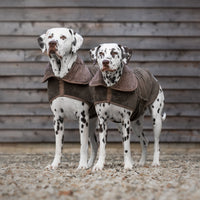
Quality options like the Kings Coronation Dog Coat show how thoughtful design and premium materials make a real difference. When you invest in well-made winter wear, you get both the warmth your dog needs and the durability that makes those daily winter walks comfortable for everyone involved.
Caring for Your Dog's Winter Wardrobe
Once you've decided that your dog needs winter wear, taking proper care of their sweaters ensures they'll stay cozy all season long. I learned this the hard way when my neighbor's Golden Retriever's beautiful cable-knit sweater turned into a felted mess after one trip through the washing machine on hot.
Always check the care label first, but most dog sweaters do best with a gentle machine wash in cold water. Turn them inside out to protect any decorative elements, and use a mesh laundry bag if the sweater has buttons or zippers. Skip the fabric softener—it can reduce the fabric's ability to wick moisture and may irritate sensitive skin.
Air drying works best for maintaining shape and preventing shrinkage. Lay sweaters flat on a clean towel, reshaping them while damp. This also gives you a perfect opportunity to check for loose threads, stretched seams, or worn areas that might poke or chafe.
Between wears, give sweaters a quick shake and brush off any debris. Store them folded in a clean, dry place rather than hanging, which can stretch the fabric over time. Keep a rotation of at least two sweaters so you always have a clean, dry option ready when keeping dogs warm in cold weather becomes a daily necessity.
Regular inspection becomes second nature once you get into the routine. Look for pilling around friction areas like the chest and underarms, and trim carefully with fabric scissors to keep your pup looking sharp throughout winter. You'll find a great selection of quality dog apparel designed to withstand regular washing and seasonal wear.
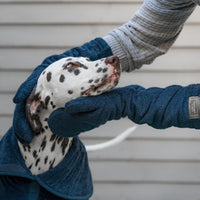
Ever noticed how your pup struts out of the groomer's looking absolutely adorable with that perfectly tied bandana around their neck? While you might assume it's purely for style, there are actually several thoughtful reasons why groomers put bandanas on dogs that blend fashion, function, and comfort into one charming finishing touch. From providing gentle calming pressure to protecting freshly groomed coats, these simple accessories work harder than you'd expect while making your furry friend look picture-perfect.
The Charm of Bandanas: More Than Just a Fashion Statement
When you pick up your freshly groomed pup and see that adorable bandana tied around their neck, you might wonder why groomers make this charming finishing touch such a standard practice. The truth is, there are wonderful reasons why groomers put bandanas on dogs that go far beyond making your furry friend look picture-perfect—though that's certainly part of the magic.
Think of a bandana as the canine equivalent of that perfect accessory that pulls an entire outfit together. Just as you might add a scarf to complete your look, groomers use bandanas to give dogs that polished, "spa day" glow that makes both pups and their parents beam with pride. But there's so much more happening beneath that stylish exterior.
These simple fabric squares work as gentle comfort tools, helping anxious dogs feel more secure during and after their grooming experience. Many dogs find the light pressure around their neck surprisingly soothing—similar to how a cozy sweater might calm us on a stressful day. Smart groomers have discovered that this small addition can transform a nerve-wracking grooming session into something much more pleasant for everyone.
Bandanas also offer practical perks that make them incredibly useful dog grooming accessories. They protect freshly groomed necks from scratching, help catch any stray loose fur, and create a clean barrier against dirt and debris during those precious first hours when your pup looks absolutely pristine. It's like having a tiny shield that keeps all that grooming work looking fresh just a little bit longer.
A Splash of Style: How Bandanas Enhance Your Pup's Look
When you pick up your freshly groomed pup and see them sporting a perfectly coordinated bandana, you're witnessing the groomer's artistic eye at work. This simple finishing touch transforms your dog from merely clean to absolutely stunning, which explains why groomers put bandanas on dogs as the perfect final flourish to their professional grooming services. Like adding the perfect accessory to your favorite outfit, a well-chosen bandana elevates your pup's entire look.
Dog grooming accessories like bandanas offer several style advantages:
Personality showcase - A playful polka dot pattern highlights your Golden's goofy side, while a sophisticated plaid brings out your Border Collie's intelligence
Color coordination - Rich burgundy bandanas make chocolate Labs look absolutely regal, while bright blues complement golden coats beautifully
Seasonal flair - Halloween pumpkins, Christmas plaids, or spring florals keep your pup looking current and festive
Photo-ready appeal - That Instagram shot becomes infinitely more charming when your freshly groomed dog sports a coordinating bandana
Professional groomers develop an eye for selecting colors and patterns that complement each dog's unique coat, facial features, and breed characteristics. They'll choose warm tones for dogs with rich brown eyes or cool blues for those striking gray coats. It's all about what brings out your pup's natural beauty.
The benefits of dog bandanas extend beyond mere decoration, too. Some naturally reserved dogs seem to prance a little taller when they're dressed up and looking their best. There's something about that finishing touch that gives both you and your pup an extra boost of confidence.
This thoughtful attention to style creates those magical moments when you see your dog looking absolutely picture-perfect, bringing genuine joy to both you and your beautifully groomed companion.
Comfort and Calm: The Soothing Effect of Bandanas
Many groomers have discovered that a simple bandana can work wonders for anxious pups during their spa day. The gentle weight and snug fit around your dog's neck creates a subtle calming effect, much like how a weighted blanket helps us humans feel more secure when we're stressed.
Think of it as a gentle hug that travels with your pup throughout their grooming session. The soft pressure naturally activates calming pressure points, helping even the most nervous dogs settle into a more relaxed state. I've watched anxious rescue dogs visibly relax once that bandana goes on—it's quite remarkable.
The calming benefits go well beyond simple pressure therapy:
Scent infusion capability - Bandanas can be lightly sprayed with calming lavender or dog-safe pheromone sprays for a soothing aromatherapy experience
Familiar texture comfort - The soft fabric provides reassuring tactile sensation during handling
Stress signal reduction - A well-fitted bandana often helps minimize visible stress signals like excessive panting or trembling
Routine establishment - Regular bandana wearing creates positive associations with grooming time
Smart groomers often enhance these accessories by applying a light mist of calming essential oils or synthetic pheromones designed specifically for dogs. This transforms an ordinary piece of fabric into a portable comfort zone that follows your pup from the bath to the blow-dry station.
The gentle compression taps into those deep-seated comfort responses that help puppies feel secure—the same instinct that makes dogs love burrowing under blankets or snuggling into tight spaces when they need to decompress.
Practical Perks: Bandanas as Functional Accessories
When you wonder why do groomers put bandanas on dogs, the answer often goes beyond aesthetics. Professional groomers know that bandanas tackle real challenges we face as pet parents, especially with our more adventurous pups.
Think about it: these simple fabric accessories work surprisingly hard behind the scenes. Here's how they earn their keep:
Sun protection comes first, especially for dogs with thin coats or that adorable pink skin showing through light-colored fur. A well-fitted bandana shields your dog's neck and chest from harsh UV rays during those long summer walks or beach adventures.
Dirt and debris management makes life easier for everyone. Bandanas catch dust, pollen, and those mysterious outdoor particles before they work their way deep into your pup's coat. You'll thank yourself later when cleanup time rolls around.
Drool control saves the day for families with those wonderfully slobbery breeds. Rather than letting drool soak into their coat (and later, your couch), bandanas absorb the excess around the neck area.
Safety visibility matters more than you might think. Bright or reflective bandanas help you spot your dog quickly in crowded parks or during evening walks, giving you that extra peace of mind.
Post-grooming protection keeps freshly trimmed necks comfortable while any sensitive skin settles down, preventing scratches and keeping the area clean.
Professional groomers recommend bandanas because they understand something important: the best dog grooming accessories solve multiple problems at once. That's why these functional pieces have become standard in grooming routines, keeping your pup comfortable, protected, and looking fantastic.
Choosing the Right Bandana for Your Dog
Finding the perfect bandana for your pup doesn't have to be overwhelming. Start with getting the right size by measuring your dog's neck circumference and adding two inches for comfort. The bandana should sit snugly without restricting movement or breathing—much like how you'd want your own scarf to feel.
Material matters more than you might think. Cotton bandanas work wonderfully for everyday wear since they're breathable and easy to wash. For dogs with sensitive skin, look for organic cotton or bamboo blends that feel softer against their fur. If your pup loves outdoor adventures, consider water-resistant materials that can handle muddy paws and unexpected puddle splashes.
Design choices should reflect both your dog's personality and practical needs. Bright patterns and fun prints show off their playful side, while solid colors create a more classic look that photographs beautifully. Think about your dog's coat color too—a red bandana might get lost on a golden retriever, but it'll pop gorgeously on a black lab.
Keep your bandanas fresh by rotating between several styles and washing them regularly with pet-safe detergent. This prevents odor buildup and gives you options for different occasions. I always keep clean bandanas in an easily accessible spot so I can quickly grab one before walks or grooming appointments.
The key is choosing bandanas that make both you and your dog happy. When your pup feels comfortable and looks adorable, you'll understand exactly why groomers put bandanas on dogs—they're the perfect finishing touch that brings joy to everyone involved.
Maintaining a clean litter box is one of the most important things you can do for your cat's health and happiness, but figuring out exactly how often you should change your cat's litter can feel overwhelming with so many conflicting opinions out there. The truth is, the right schedule depends on your specific situation—your cat's habits, the type of litter you choose, and a few simple daily routines that make all the difference. Let's break down the practical steps that will keep your feline friend purring and your home smelling fresh.
Understanding Your Cat's Litter Needs
Your cat's relationship with their litter box tells you everything about their comfort and wellbeing. Most cats make 2-4 trips daily for urination and one for defecation, so this little corner of your home gets serious traffic. When you're wondering how often you should change your cat's litter, you're essentially asking how to keep up with one of their most important daily rituals.
Here's the thing about cats: they're incredibly particular about cleanliness. In the wild, they bury their waste to stay hidden from predators, and that fastidious nature doesn't disappear just because they're living the good life on your sofa. When their litter box falls below their standards, they'll let you know—sometimes by avoiding it altogether, which leads to unwelcome surprises around the house, or through stress behaviors like excessive grooming or finding new hiding spots.
Watch your cat at their litter box, and you'll see exactly what I mean. A happy cat approaches confidently, digs with purpose, does their business, covers it thoroughly, and walks away satisfied. A cat dealing with a less-than-ideal situation? They'll perch on the edges like they're navigating a minefield, rush through everything, or give you those unmistakable "fix this immediately" stares.
The beautiful thing is that staying ahead of litter box maintenance doesn't mean becoming a full-time janitor. A few minutes of daily attention actually saves you hours later by preventing stubborn odors and avoiding those complete box overhauls that nobody enjoys. Your cat stays content, your home stays fresh, and you get the satisfaction of supporting their natural instincts.
Daily Spot-Cleaning: A Simple Routine
Daily spot-cleaning forms the backbone of effective litter box maintenance and directly impacts how often you should change your cat's litter completely. This simple five-minute routine involves removing solid waste and clumped urine daily, keeping the remaining litter fresh for much longer. When you stay on top of daily cleaning, you can stretch the time between full litter changes from every few days to once or twice a week, depending on your cat and litter type.
Here's how to make daily spot-cleaning quick and efficient:
Choose your timing wisely - Most cats prefer using a clean box, so scoop in the morning or evening when your feline friend is most active. I find evening works best since it gives my cats a fresh start for overnight visits.
Use a sturdy, slotted scoop - A good-quality scoop with appropriately sized holes makes the job faster and prevents you from accidentally removing clean litter along with waste.
Work systematically - Start from one end of the box and move to the other, gently sifting to let clean litter fall through while capturing clumps and solids in one smooth motion.
Top off as needed - Add a small amount of fresh litter to replace what you've removed, maintaining a consistent depth of about two to three inches.
Dispose thoughtfully - Seal waste in a small bag or use flushable litter according to manufacturer guidelines and your local regulations.
The benefits of this daily routine extend far beyond keeping things tidy. Your cat enjoys a consistently clean bathroom, which dramatically reduces the chance of accidents outside the box. Odors stay manageable because waste doesn't have time to break down and create stronger smells. You'll actually use less litter overall since the majority stays clean and usable for longer periods.
There's another bonus many pet parents don't consider: regular scooping helps you spot health changes early. When you're checking the box daily, you'll quickly notice if your cat's bathroom habits shift, which can be an early indicator that a vet visit might be needed.
This routine is one of the most effective ways to reduce litter box smell naturally while building a sustainable cleaning schedule that works for busy pet parents. Your cat will appreciate the attention to their comfort, and you'll find that maintaining their space becomes second nature within just a few weeks.
Full Litter Changes: When and Why
While daily scooping keeps things manageable, a complete litter change means emptying the entire box, cleaning it thoroughly, and starting fresh with new litter. This deeper clean eliminates lingering odors, bacteria, and residue that builds up over time—making it essential for maintaining a truly fresh home and keeping your cat comfortable.
Several key factors determine how frequently you'll need these full changes:
• Number of cats sharing the box - A single cat typically allows for weekly changes, but two cats using the same box will need fresh litter every 3-4 days. More cats simply mean more waste and faster odor buildup.
• Type of litter you're using - Clumping litters often last longer between full changes since you remove most waste during daily scooping. Non-clumping varieties absorb odors throughout the litter and usually need replacing every few days.
• Size of your litter box - Larger boxes with more litter volume can go longer between changes, while smaller boxes reach their saturation point much faster, especially with finicky cats who demand pristine conditions.
Here's how to tackle a thorough litter change that actually gets the job done:
Empty all used litter into a sturdy garbage bag, scraping away any stuck bits with your scoop
Rinse the empty box with warm water and mild dish soap
Scrub away residue or stains with a pet-safe cleaner
Rinse thoroughly and dry completely before adding fresh litter
Pour in 2-3 inches of new litter, adjusting based on your cat's digging habits
Place the box back in its usual spot and give your cat time to inspect your handiwork
Most single-cat households can stick to weekly full changes, while multi-cat homes often need refreshing every 3-5 days. Trust your nose and your cat's behavior over rigid schedules. Persistent odors after scooping, your cat avoiding the box entirely, or visible saturation throughout the litter all signal it's time for an immediate refresh. Your cat will thank you for staying on top of it.
Choosing the Right Litter for Your Cat
The type of litter you choose has a massive impact on how often you should change your cat's litter. Some materials naturally control odors better and last longer between full changes, while others need more frequent attention to keep your home fresh and your cat happy.
Litter Type
Change Frequency
Odor Control
Key Pros & Cons
Clay (Non-clumping)
Every 3-4 days
Fair
Affordable, absorbs moisture well / Gets soggy quickly, tracking issues
Clumping Clay
Weekly
Good
Easy scooping, long-lasting / Dusty, heavier to carry
Crystal/Silica
2-3 weeks
Excellent
Superior odor absorption, low dust / Higher upfront cost, some cats dislike texture
Natural/Biodegradable
5-7 days
Good
Eco-friendly, flushable options / Can be pricier, may need more frequent changes
When selecting the best cat litter for odor control that fits your lifestyle, think about these practical considerations:
Your cat's texture preferences—trust me, some cats have very strong opinions about crystal versus clay
Household sensitivity to dust or fragrances (especially important with family members who have allergies)
How much time you realistically have for daily scooping and maintenance
Your budget for both the initial purchase and ongoing costs
Environmental priorities and how you prefer to dispose of used litter
Crystal litters have been game-changers for busy pet parents who want excellent odor control with less frequent full changes. Natural options work beautifully for eco-conscious families, though you might find yourself changing them a bit more often. The secret is finding that perfect match between your cat's comfort and your maintenance routine.
Your litter choice sets the foundation for everything else. When you hit that sweet spot between effective odor management and your cat's preferences, you'll naturally extend time between full changes while keeping a fresh space that makes both of you happy.
Hygiene Best Practices for a Happy Cat
Maintaining excellent litter box hygiene goes far beyond just asking, "how often should I change my cat's litter?" While regular changes are key, creating a fresh and welcoming space for your feline involves caring for the entire litter area. Cats have a keen sense of smell and can detect odors and bacteria that might evade our senses, which directly affect their willingness to use the box and their health.
These essential tips will ensure a happy litter box experience for your cat:
Scoop Twice Daily: Aim for a quick scoop in the morning and evening to keep unpleasant odors at bay and stop bacteria in their tracks.
Weekly Deep Clean: Give the litter box a thorough wash every week using warm water and mild, unscented dish soap. Steer clear of harsh chemicals that might discourage your cat from using the box.
Optimal Litter Depth: Keep 2-3 inches of litter in the box. This helps in absorbing moisture and prevents waste from reaching the box bottom.
Daily Area Clean-Up: Wiping down the area around the box each day helps control tracked litter and stops bacteria from setting up camp.
Liner Management: If liners are part of your routine, change them weekly. Many cats, however, prefer the box without them, so feel free to skip if necessary.
Floor Maintenance: Vacuum or sweep the area around the box every few days to handle any stray litter and maintain cleanliness.
Strategic Mat Placement: A quality litter mat outside the box can trap particles, stopping them from becoming a household menace.
Ventilation Matters: Ensure the litter area has good airflow. This fights moisture and keeps germs at bay.
Following these practices alongside your litter change schedule ensures a space your cat will love. It’s more than just avoiding bad smells—you're nurturing their natural instincts and keeping stress-related behaviors to a minimum. A clean and inviting litter setup means a happy, content cat, and who wouldn't want that?
Creating a Litter Box Routine That Works for You
The key to mastering how often you should change your cat's litter lies in finding a rhythm that works for both you and your feline friend. Start by setting realistic expectations for yourself. If you're naturally a morning person, build litter box maintenance into your coffee routine. Night owls might prefer checking the box before settling in for the evening. The important thing is consistency, not perfection.
Consider your household's unique circumstances when establishing your routine. Multi-cat homes will need more frequent attention, while single-cat households can often stretch a bit longer between full changes. If you travel frequently for work, you might invest in the best cat litter for odor control to maintain freshness during longer stretches. Similarly, if you have a particularly picky cat, you'll quickly learn the signs it's time to change cat litter before they start protesting with pointed stares or strategic deposits outside the box.
Your routine will naturally evolve as you learn your cat's preferences. Maybe you'll discover that Thursday is mysteriously always the smelliest day, or that your cat becomes finicky right before weekend guests arrive. These little quirks become part of your shared language as pet parent and cat—those moments when you think, "Ah, Princess Whiskers is giving me that look again."
Don't stress if it takes a few weeks to find your groove. Every experienced cat parent has stories of trial and error, from accidentally buying the wrong litter type to realizing their "low-maintenance" cat actually has very specific opinions about cleanliness. The goal isn't Pinterest-perfect litter box management, but creating a sustainable system that keeps both you and your cat content with a fresh, clean space.
SIGN UP FOR USEFUL TIPS & GUIDES STRAIGHT TO YOUR INBOX
01.05.26May 01, 2026Owning a DogFeatured
How Do I Know If My Dog is Cold Inside The House
When the temperature drops, many pet parents wonder how to tell if their dog is feeling chilly inside their own homes. Understanding your pup's unique comfort signals and knowing how to create the perfect cozy environment can make all the difference between a shivering companion and a contentedly snuggled furry friend. From recognizing subtle behavioral changes to choosing the right warming solutions for your dog's specific needs, we'll guide you through everything you need to keep your four-legged family member comfortable year-round.
Recognizing the Signs: Is Your Dog Feeling Chilly Indoors?
Dogs are remarkably expressive when they're uncomfortable, and catching those early signs that your pup is feeling chilly can spare them from hours of discomfort. The most obvious tell? Shivering, just like we do when we're cold. You'll see your dog's whole body trembling, particularly if you've got a smaller breed or a pup with a thinner coat.
Pay close attention to how your dog positions themselves around the house. Cold dogs instinctively curl up into tight little balls, tucking their nose under their tail and pulling their legs close to conserve heat. My neighbor's Whippet, Bella, transforms into what we lovingly call "the perfect donut" whenever the temperature dips even slightly indoors.
Your dog's choice of hangout spots tells quite the story too. If your usual floor-loving companion suddenly starts chasing sunny patches by windows, camping out near heating vents, or attempting to burrow under every available blanket, they're clearly on a mission for extra warmth. Some dogs become surprisingly persistent about claiming spots on furniture or snuggling closer to their favorite humans.
Don't overlook the subtler behavioral shifts either. Chilly dogs often move with less enthusiasm or seem genuinely reluctant to abandon their cozy spots. They might dial down their energy during indoor play sessions or show hesitation about walking on cold tile floors, doing that telltale paw-lifting dance we've all witnessed.
Physical signs go well beyond shivering. Cold dogs sometimes develop visible goosebumps along their skin—especially noticeable on shorter-coated breeds. Their ears and paw pads might feel surprisingly cold when you touch them, and you'll notice some dogs adopt a hunched posture to minimize heat loss.
Getting familiar with your dog's personal communication style becomes invaluable here. Some dogs offer soft whines when they're uncomfortable, while others simply fix you with those impossibly expressive eyes that clearly say "a little help here, please." Learning to read your dog's body language means you can respond to their needs before discomfort sets in.
Smaller dogs, senior pups, and thin-coated breeds like Greyhounds or Chihuahuas typically show these signs more readily than their fluffier housemates, making careful observation especially important for these more vulnerable groups.
Understanding Your Dog's Comfort Needs
Just like people, every dog has unique comfort needs that depend on their physical makeup and natural traits. While your Golden Retriever might happily sprawl on cool kitchen tiles, your friend's Italian Greyhound could be shivering in the same room temperature.
Some dogs are naturally more susceptible to feeling cold indoors:
Short-haired breeds like Greyhounds, Whippets, and Boxers lack the dense coat protection that keeps other dogs warm
Small dogs including Chihuahuas, Yorkshire Terriers, and Toy Poodles have less body mass to generate and retain heat
Senior dogs often experience slower metabolisms and reduced circulation, making them feel chilly more easily
Puppies haven't yet developed fully mature temperature regulation systems
Lean, athletic breeds with minimal body fat struggle to maintain warmth compared to their fluffier counterparts
Several key factors influence how comfortable your dog feels inside your home. Coat thickness makes a huge difference—single-coated breeds feel temperature changes much more dramatically than their double-coated cousins. Body size plays a role too, since smaller dogs lose heat faster through their relatively larger surface area.
Age and health status matter more than many pet parents realize. Medical conditions like arthritis or thyroid issues can throw off your dog's natural temperature regulation. Less active dogs also generate less body heat throughout the day, while those who love lounging on tile floors or camping out near drafty windows face their own comfort challenges.
Recognizing these individual factors helps you understand your specific dog's needs. That cozy blanket that works perfectly for one pup might be completely unnecessary for another. When you know your dog's breed traits and personal quirks, you can create an indoor environment that truly keeps them comfortable—whether that means adding extra warmth or simply staying more tuned in to their body language and behavior throughout the day.
Creating a Cozy Environment for Your Pup
Once you've mastered recognizing when your dog feels chilly indoors, it's time to turn your home into their personal comfort zone. The beauty lies in simple tweaks that make a huge difference—no major renovations required.
Here's how to create the perfect cozy retreat for your pup:
Position beds near natural heat sources like radiators, heating vents, or those gorgeous sunny windows your dog already loves. Just keep them a safe distance away to prevent overheating
Layer soft blankets they can actually use—think materials your dog can burrow into, push around, or kick off when they get too toasty
Block those sneaky drafts with door stoppers or window treatments, especially in your dog's favorite lounging spots where cold air loves to creep in
Get them off cold floors with elevated beds or thick mats. Hard surfaces like tile and hardwood are notorious heat thieves, even on mild days
Choose bedding that works as hard as you do—memory foam with plush, insulating covers that naturally hold warmth without feeling stuffy
Design a dedicated comfort zone with something like our cozy calming cage bed in mink boucle, creating a secure retreat where temperature stays just right
Quick Temperature Guide: While most dogs feel great between 68-72°F, smaller breeds, senior pups, and short-coated dogs often prefer things closer to 72°F. When in doubt, watch their behavior—they'll tell you what feels right.
The magic happens when these elements work together, giving your dog options throughout the day. Maybe they want to stretch out on a cool morning, then snuggle deep into blankets by evening. By staying tuned into those subtle signs your dog is cold and responding with thoughtful comfort solutions, you're creating an environment that adapts to their needs naturally, season after season.
The Role of Dog Apparel in Keeping Warm
Dog apparel can be a wonderful solution for keeping your pup comfortable indoors, especially if you have a short-haired breed, senior dog, or small companion who naturally runs cold. I know it might seem odd to think about sweaters and coats as indoor essentials, but they're absolute lifesavers when you're trying to figure out how to keep your dog warm without cranking up the thermostat for the whole house.
When choosing indoor clothing for your dog, focus on these key elements:
Breathable materials like cotton blends or lightweight fleece that provide warmth without turning your pup into a furry furnace
Proper fit that lets them move naturally—you want snug but not restrictive around the chest and shoulders
Easy on, easy off design for quick adjustments when they warm up or need potty breaks
Comfort for extended wear with soft seams that won't irritate sensitive skin during afternoon naps
Machine washable fabrics because let's be honest, convenience matters in our busy lives
You'll find indoor apparel most helpful in situations that probably sound familiar. Those chilly mornings before your heating system catches up, drafty spots near sliding doors, or when your dog's recovering from illness and needs extra TLC. My friend's senior golden retriever practically lives in her soft fleece sweater during evening hours, while another friend's Italian greyhound needs his lightweight shirt year-round in their air-conditioned apartment.
Think of clothing as one tool in your comfort toolkit rather than a complete solution. Watch how your dog responds—some absolutely love being bundled up, while others prefer warming strategies like heated beds or sunny window spots. The key is finding what works for your specific situation. Quality dog apparel gives you options to experiment with different materials and styles until you discover what makes your pup happiest and most comfortable.
Monitoring and Adjusting: Keeping Your Dog Comfortable Year-Round
Learning to recognize when your dog feels cold indoors becomes instinctive once you start paying attention to their seasonal rhythms. Each dog has their own way of signaling discomfort, and tuning into these cues helps you maintain that perfect cozy atmosphere regardless of what Mother Nature throws your way.
Key monitoring strategies to watch for:
Check their body language regularly - Notice if they're hunting for warm spots, curling up tighter than usual, or camping out near radiators and sunny windows
Feel their ears and paw pads - Cool extremities often mean your dog's working overtime to keep their core warm
Observe their sleeping habits - Chilly dogs often relocate to different spots, burrow deeper into blankets, or seem unusually restless at bedtime
Watch for behavioral shifts - Extra clinginess, reluctance to leave warm areas, or sudden demands for cuddles can all signal they're feeling the chill
Monitor their energy levels - Some dogs become less enthusiastic about play or move more deliberately when conserving body heat
Seasonal adjustment strategies:
Layer their sleeping areas - Extra blankets or a plush bed work wonders during colder months, particularly in their favorite lounging spots
Create strategic warm zones - Position resting areas away from drafty windows and doors, keeping in mind how your heating affects different rooms
Adapt routines to weather patterns - When outdoor temperatures make walks uncomfortable, dogs spend more time indoors and may need additional warmth
Make gradual environmental changes - Dogs adjust better to small tweaks rather than dramatic overhauls of their comfort setup
The best pet parents develop a sixth sense for reading these subtle temperature cues, creating homes where their four-legged family members stay perfectly comfortable through every season's ups and downs.
Taking Action: Simple Steps to Ensure Your Dog's Warmth
Now that you know how to spot the signs your dog is cold and understand their comfort needs, it's time to put this knowledge into action. Start by doing a quick daily temperature check of your home, especially during colder months. I like to do mine first thing in the morning when I'm letting my dog out, just running my hand along the floor where she likes to sleep.
Create a simple routine that works for your lifestyle. Maybe it's adjusting the thermostat before bedtime or moving your pup's bed away from drafty windows when the weather turns chilly. Small changes make a huge difference. If you notice your dog seeking out warm spots repeatedly, consider adding a cozy blanket to their favorite lounging area or investing in a quality dog bed with better insulation.
Keep an eye on how your dog responds to these adjustments. Every pup is different, and what works for a Golden Retriever might not suit a Whippet. Some dogs love curling up in sweaters indoors, while others prefer the freedom of a warm, draft-free corner with a soft blanket.
Remember, creating a comfortable environment for your dog is an ongoing process, not a one-time fix. As seasons change and your dog ages, their needs might shift too. When you're bringing home a new puppy, these comfort considerations become even more important as they adjust to their new environment.
The goal is simple: a warm, happy dog who feels secure and comfortable in their home. Trust your instincts as a pet parent, and don't hesitate to make adjustments when you notice your furry friend needs a little extra warmth.
To understand why the 7 second rule matters so much, it helps to know what is actually happening beneath your dog's paws on a warm day. Most of us instinctively judge the temperature by the air around us, but the ground tells a very different story. Surfaces that feel perfectly walkable to us can reach temperatures that cause real damage to paw pads within seconds, and the gap between the two can be startling. Here is why hot ground is a bigger problem than it might look.
What is the 7 second rule for dogs why it is important
The 7 second rule for dogs is a simple test that helps you decide whether pavements, tarmac, or artificial grass are too hot for your dog's paws. Here's how it works: place the back of your hand flat against the surface where you plan to walk. If you can't keep it there comfortably for a full seven seconds, the ground is too hot for your dog.
This quick check has become a go-to for pet parents because it gives you an instant answer without needing thermometers or guesswork. If the surface feels uncomfortably hot against the sensitive skin on the back of your hand, your dog's paw pads will feel it even more intensely. Those paw pads might look tough, but they're actually more delicate than many people realise.
The rule works particularly well for checking pavements, car park surfaces, and artificial grass, which can heat up surprisingly quickly on sunny days. You know those mornings when the air feels lovely and mild, but the pavement is already scorching? That's exactly when this test saves the day.
Now, this isn't a perfect scientific measurement. It's more like a practical safeguard that helps you make smarter decisions in the moment. Some dogs have more sensitive paws than others, and factors like your dog's size and the humidity can affect how they cope with warm surfaces.
Think of the 7 second rule as your first line of defence during summer walks. Just like checking if it's too wet to venture out (much like deciding whether you can walk your dog in the rain), a quick hand test becomes second nature once you start using it regularly.
Why hot ground can be harder on paws than many people realise
One of the biggest surprises for many pet parents is discovering just how much hotter surfaces can be compared to the air temperature around us. While it might feel like a pleasant 25°C day, the pavement beneath your feet could easily be reaching 50°C or more. Hard surfaces absorb and store heat throughout the day, creating conditions that can genuinely damage your dog's paws within seconds.
The surfaces that pose the biggest risks to our dogs include:
Tarmac and asphalt - These dark surfaces are notorious heat absorbers and can become scorching even on moderately warm days
Concrete paving stones - Whether it's pavements, patios, or car parks, concrete retains heat long after the sun starts to fade
Wooden decking - Particularly darker woods that can become almost untouchable by mid-afternoon
Beach sand - Fine sand heats up quickly and can be deceptively hot, especially in direct sunlight
Artificial grass - Modern synthetic surfaces can reach surprisingly high temperatures
Metal surfaces - Manhole covers, drain covers, and metal fixtures become genuine hazards in warm weather
Here's what makes this particularly tricky for our dogs: they can't slip on a pair of trainers like we can. Your pup relies entirely on you to make the right call about ground safety. They trust us to protect their precious paw pads, which are more delicate than they appear and can suffer burns, blisters, dryness, and painful cracking when exposed to excessive heat.
Think of it this way - if the ground is too hot for your bare feet, it's definitely too hot for theirs. Just as we consider temperature extremes in colder weather for our dogs' comfort and safety, hot surfaces deserve the same thoughtful approach to keep our four-legged family members happy and healthy.
Signs your dog’s paws may be too hot, sore, or damaged
When your dog suddenly starts acting differently on a warm walk, they're usually telling you something important about their comfort. Many pet parents assume their dog is being stubborn when they stop mid-walk or refuse to keep going, but these behaviors are actually valuable signals that hot pavement might be affecting their paws.
Recognizing these warning signs helps you respond quickly before minor discomfort turns into serious damage:
Limping or favoring one paw - especially if it starts suddenly during the walk
Stopping abruptly or refusing to move forward on pavement or concrete
Excessive paw licking or chewing during or immediately after walks
Visibly darkened, reddened, or swollen paw pads when you check them
Small blisters, cuts, or rough patches on the paw surface
Reluctance to walk on certain surfaces while seeming fine on grass or dirt
Seeking shade or cooler ground repeatedly during your usual route
High-stepping or "dancing" movements, as if trying to minimize ground contact
Quick tip: Any sudden change in your dog's walking behavior on warm surfaces deserves immediate attention. Move to grass, carry them to shade, or head home straight away.
I've learned that dogs who normally love their walks but suddenly become "difficult" on hot days are often just trying to protect themselves. Understanding what the 7 second rule for dogs teaches us means staying alert to these signals and treating them as important communication rather than defiance. Your dog can't tell you their paws are burning, so these physical cues become their way of asking for help before real harm occurs.
How to use the 7 second rule alongside other common-sense checks
The 7 second rule for dogs works brilliantly as your first check, but pairing it with other practical safety measures gives you the complete picture for protecting your pup's paws on warm days.
Time your walks strategically - Early morning or evening walks avoid the hottest part of the day when pavement reaches peak temperatures. You'll often find a comfortable window even when midday conditions would fail the hand test completely.
Choose cooler walking routes - Grass, tree-lined streets, and woodland paths stay significantly cooler than exposed concrete or asphalt. Your dog will thank you for seeking out those naturally shaded spots.
Bring water for both of you - A portable water bowl becomes essential when temperatures climb. If your dog starts panting more heavily or seems less enthusiastic than usual, frequent drink breaks can make all the difference.
Shorten walks on borderline days - Even if the ground passes the 7 second test, consider cutting your usual 45-minute adventure down to 15-20 minutes when it's particularly warm outside.
Watch for early warning signs - Dogs lifting paws, seeking shade, or lagging behind often show these signals before serious damage occurs. Trust these cues and head home or find a cooler spot.
These common-sense approaches work hand-in-hand with the dog 7 second rule to create a complete safety strategy. Rather than relying on temperature alone, this layered approach helps you make confident decisions about when to venture out, which route to take, and when it's simply better to save the adventure for a cooler day. Your dog's comfort and safety are worth that extra bit of planning.
When to skip the walk and what to do if paws get burned
Sometimes the smartest choice is staying home. When the ground fails the 7 second rule test, indoor enrichment becomes your best friend. Puzzle toys, training sessions, or a good sniff-and-find game can tire out even the most energetic dog without risking burnt paw pads.
If you have a garden, early morning or late evening might offer cooler grass for a quick outdoor break. Just remember to test any surface your dog will walk on—decking and patio stones can be surprisingly brutal heat traps, even when they look innocent.
Despite your best efforts, if you suspect your dog's paws have been burned, act quickly but stay calm. Get to shade immediately and gently rinse those paws with lukewarm water. Skip the ice or freezing water, which actually makes burns worse. Pat dry with a soft towel and discourage any frantic licking.
Call your vet if you spot blistering, ongoing limping, or if your dog seems genuinely distressed. Most minor paw irritation heals beautifully with proper care, but when in doubt, professional guidance beats guesswork every time.
The beauty of understanding what the 7 second rule for dogs really means lies in its simplicity. This quick palm test gives you the confidence to make smart decisions that keep summer adventures joyful rather than painful. Your dog counts on you to make these judgment calls, and this straightforward rule makes protecting those precious paws so much easier.
It turns out there is a lot more going on in that wind-blown, tongue-lolling moment than it might appear. The joy your dog feels hanging out of a car window is rooted in some genuinely fascinating science, and understanding it makes the whole thing even more delightful to watch. From the way their nose processes the rushing air to the mental workout that comes with every new smell and sound, here is what is actually happening for your dog when the window comes down.
Why dogs love sticking their heads out of car windows
That blissful, ears-flapping-in-the-breeze moment when your dog hangs their head out the car window isn't just about looking adorable (though they absolutely do). Dogs stick their heads out of car windows because the rushing air delivers an incredible sensory experience that we humans can barely imagine. While we might catch a whiff of freshly cut grass or someone's barbecue, your dog is processing hundreds of scent stories at once—a rich, ever-changing map of the world rushing past.
The moving air also brings exciting sounds and feels wonderfully stimulating against their face and ears. Many dogs genuinely find this thrilling, their version of a roller coaster ride. You'll often see pure joy in their expression: tail wagging, mouth slightly open in that happy panting way that says they're having the time of their life.
Think about it from their perspective. Your dog experiences the world primarily through their nose, which has up to 300 million scent receptors compared to our measly 6 million. That highway wind isn't just air—it's a constant stream of fascinating information about other animals, interesting places, and adventures waiting around the next bend.
Understanding why dogs love this behavior helps you make thoughtful choices about when to let them enjoy it and when you might want to keep the windows up a bit more. It's not about denying them fun, but finding that sweet spot where they can experience those amazing scents and sensations while staying comfortable and secure.
What your dog is actually experiencing when the window is down
When your dog pushes their nose through that open car window, they're diving into a sensory experience that's far richer than anything we can imagine. Think of it as the difference between watching a nature documentary and actually hiking through a rainforest. Each dog experiences this differently, but there are several key factors at play.
Scent overload in the best possible way - Dogs experience the world primarily through smell, and an open car window delivers thousands of new scents in rapid succession. Every tree, restaurant, other dog, and person you pass creates a constantly changing smell map that's absolutely fascinating to your pup. It's like speed-reading their favorite book, except the book keeps changing every few seconds.
Mental stimulation from novelty - The rapidly changing scenery, sounds, and smells provide intense mental enrichment. For dogs who spend most days in familiar environments, this sensory variety is like getting to explore a dozen new places in minutes. Your Border Collie's brain is working overtime, and they love every second of it.
Airflow feels incredible - The rushing air provides cooling relief and physical comfort, especially for dogs with thick coats or those who naturally run warm. It's their version of sticking your hand out the sunroof on a perfect spring day.
Natural temperature regulation - Since dogs don't sweat like we do, that cool airflow helps them regulate their body temperature more effectively than air conditioning alone. Their tongues and panting can only do so much.
Excitement conditioning - Many dogs learn to associate open windows with adventures: trips to the park, beach days, or visiting their favorite humans. The window becomes part of the anticipation itself.
Your individual dog might be driven by one or all of these factors. This behavior taps into natural canine instincts for exploration and environmental awareness, not just a cute quirk we've imagined they enjoy.
Is it happiness, instinct, or stress?
When your dog pokes their head out the car window, it's tempting to assume they're having the time of their life. While many dogs genuinely love the sensory adventure, reading their body language carefully helps you tell the difference between pure enjoyment and overwhelming stimulation. Some dogs who appear to be loving the ride might actually feel anxious or overstimulated by the rush of sights, sounds, and smells.
Signs of Enjoyment
Signs of Stress/Overstimulation
Relaxed, loose body posture
Tense muscles, rigid stance
Soft, bright eyes with natural blinking
Frantic scanning, wide or staring eyes
Gentle, steady panting
Excessive drooling or rapid, heavy panting
Loose, rhythmic tail wagging
Rigid tail position or erratic movements
Alert but calm expression
Restless shifting or whining
Occasional glances back at you
Inability to settle or focus
Think of it this way: a dog with soft eyes and relaxed shoulders is probably enjoying the sensory buffet, while one with tense muscles and frantic eye movements might be feeling like they're drowning in too much information at once. The difference between happy excitement and anxious overstimulation can be surprisingly subtle, especially when you're focused on the road.
Watch your dog's overall demeanor throughout the journey, not just in those first few moments of window time. A truly content dog will maintain that relaxed body language and might even pull their head back in occasionally to check in with you. An overstimulated pup, on the other hand, will show increasing signs of tension as the ride continues. This awareness helps you create car experiences that genuinely enhance your dog's happiness rather than accidentally turning every trip into sensory overload.
Letting them enjoy the ride safely
You don't have to choose between your dog's joy and their safety during car rides. A few simple adjustments can let your pup experience all those amazing scents and sensations while keeping them secure and comfortable.
Crack windows instead of fully opening them - This gives your dog access to fresh air and new smells without letting them lean dangerously far out or risk debris hitting their eyes. Even a few inches provides plenty of that sensory adventure they're after, and you'll have peace of mind knowing they can't tumble out during an enthusiastic moment.
Use a proper dog car harness or seat belt - These restraints let your dog move around enough to enjoy the ride while preventing them from becoming your unexpected co-pilot mid-journey. Look for crash-tested options that attach to your car's existing seat belt system. Your dog still gets their window time, just without the acrobatics.
Consider a travel crate or carrier for smaller dogs - Little dogs can get the same sensory experience from a well-ventilated carrier positioned where they can see out the window. This keeps them extra secure while still letting them feel part of the adventure. Plus, many small dogs actually prefer the cozy den-like feeling.
Take regular breaks on longer trips - Stop every hour or two so your dog can stretch, sniff around, and get their fill of outdoor exploration. This satisfies their need for stimulation and often makes them more content to settle between stops. Think of it as giving them a proper "scent break" rather than trying to get it all through the window.
Keep the temperature comfortable - Fresh air feels wonderful, but watch that your dog isn't getting too hot or cold from the airflow. What feels refreshing at 30mph can become overwhelming at highway speeds.
These simple steps ensure your dog gets all those delicious scents and exciting sights without putting your beloved passenger at risk.
When to encourage it, when to redirect it, and what to do instead
Understanding why dogs stick their head out the window helps you make smarter choices about when to allow it and when to offer alternatives. If your dog shows relaxed body language and you're driving slowly through quiet neighborhoods, letting them enjoy the sensory experience can be wonderfully enriching. However, redirect this behavior on busy roads, at highway speeds, or when your pup seems overstimulated rather than content.
For anxious travelers, work on building positive car associations gradually. Start with short trips to fun destinations, keep windows cracked rather than fully open, and bring along a favorite blanket or toy for comfort. If your dog craves that sensory stimulation, satisfy their need for exploration through "sniffy walks" where they can investigate new scents at their own pace, or introduce puzzle toys that engage their natural curiosity.
Some dogs simply need more mental enrichment in their daily routine. A bored dog might seek intense sensory experiences like window surfing, while a well-exercised, mentally satisfied pup may be perfectly content to ride calmly with gentle airflow from slightly open windows.
This behavior is completely normal and stems from your dog's natural instincts. The goal isn't to eliminate their enjoyment but to channel it safely. Whether that means controlled window time on quiet streets or redirecting their energy into other enriching activities depends entirely on your individual dog's needs and temperament. Trust your instincts as a pet parent—you know your dog best.
If your dog's old bed has passed the condition check and you're ready to find it a new home, the next step is figuring out where to actually take it. The options are more varied than most people expect, and the best choice will depend on where you live, what condition the bed is in, and which organisations in your area are most in need right now. From large national charities to small community foster networks, there are plenty of places that would genuinely welcome a clean, comfortable bed for a dog who needs one.
How to decide if a used dog bed is suitable to donate
Before you load that old dog bed into your car, take a moment to honestly assess whether it will actually help another dog. Animal shelters and rescue organizations work with limited space and volunteers, so they need donations that genuinely make a difference rather than items that create extra work.
Start with the sniff test. If you can detect any lingering odors after a thorough wash, the bed probably belongs in the bin. Dogs have incredible noses, and what seems faint to us can be overwhelming to them. Persistent smells often signal bacteria or hygiene issues that make a bed unsuitable for a new home.
Next, examine the fabric and filling carefully. Small tears or worn spots are usually fine, but beds with large rips, exposed stuffing, or structural damage create real safety hazards. A nervous rescue dog might tear at loose threads or swallow filling, turning your thoughtful donation into an unexpected vet bill for an already stretched organization.
Check for permanent stains, particularly around areas where your dog typically rested their head or favorite sleeping spot. Minor discoloration happens with any well-loved bed, but extensive staining suggests deep-set odors or hygiene concerns that washing simply cannot address.
Here's the golden rule: would you feel comfortable giving this bed to a friend's dog? If you're hesitating because it looks too shabby or smells questionable, trust that instinct. Rescue dogs deserve the same consideration you'd show any beloved pet.
Most shelters specifically request "gently used" bedding because they understand how quickly unsuitable donations can overwhelm their storage and volunteer time. When deciding where to donate used dog beds, remember that a clean, lightly worn bed will genuinely improve another dog's comfort and sleep.
If your current bed doesn't meet that standard, don't worry. You might consider purchasing something new to donate instead, or explore other meaningful ways to support your local animal welfare organizations. The goal is helping, not adding to their workload.
Where to donate used dog beds in the UK and USA
Finding the right home for your dog's old bed depends largely on where you live and which organizations near you currently need donations. Every charity, shelter, and rescue group sets its own rules about what they can accept, so the golden rule is always to call or check their website before loading up your car.
UK Donation Options
Local animal shelters and rescue centres often welcome clean, good-condition dog beds, especially during winter months when comfort items are most needed. Many have specific hygiene requirements and may ask you to wash items in non-bio detergent first.
RSPCA branches and other national charities like Dogs Trust or Battersea frequently accept pet bedding donations, though individual branches may have different policies depending on their current storage capacity and volunteer availability.
Pet food banks and animal pantries that support struggling pet owners typically welcome bedding alongside food donations. These grassroots organizations often have the most flexible acceptance criteria and understand that a warm bed can be just as crucial as a full food bowl.
Homelessness charities such as Crisis or local rough sleeping outreach teams sometimes accept pet supplies for people living on the streets with their dogs, where a clean bed can make an enormous difference to both human and canine wellbeing.
Foster networks and breed-specific rescues often run on tight budgets and genuinely appreciate donated bedding. They're particularly grateful for emergency foster placements where a frightened rescue dog needs immediate comfort in an unfamiliar home.
Local Facebook community groups or neighborhood apps like Nextdoor can connect you directly with foster carers or new pet owners who need affordable bedding options.
USA Donation Options
Municipal animal shelters and SPCAs across most states accept clean pet bedding, though many require items to be machine-washable and free from significant wear or damage.
ASPCA branches and Humane Society locations typically have established donation programs with clear guidelines about acceptable bedding types and cleaning requirements posted on their websites.
Breed-specific rescue organizations often maintain wish lists that include bedding. They're usually happy to provide specific guidance about their current needs and drop-off procedures, particularly if you're donating multiple items.
Pet food pantries and low-income pet support programs welcome bedding donations alongside food and medical supplies, helping families keep their pets comfortable during difficult times.
Veterans' organizations that provide service dog support or general pet assistance to former military personnel often accept bedding donations for their programs.
Community foster programs and trap-neuter-return groups frequently need clean bedding for temporary housing situations and recovery care after medical procedures.
Local animal control facilities may accept donations, particularly in areas where municipal budgets for comfort items are limited.
Remember that donation needs change constantly based on intake levels, storage space, and seasonal demand. A quick phone call saves everyone time and ensures your thoughtful donation actually helps rather than creating extra work for already stretched volunteers. Think of it as finding the perfect match for your dog's old favorite spot.
Questions to ask before you drop off a dog bed
A quick phone call or email before you load up the car can save you from an awkward "sorry, we can't take this" conversation at the shelter door. Most animal charities genuinely appreciate when donors check their current needs first, and you'll feel confident your donation will actually help a dog in need.
Here are the essential questions to ask any shelter or rescue before dropping off your used dog bed:
"Do you currently accept donated used dog beds?" Some organizations have policies against used bedding due to space constraints or hygiene protocols, while others welcome them gratefully.
"What sizes do you need most right now?" Many shelters house more small to medium dogs than giant breeds, so that enormous bed from your Great Dane might not be their priority.
"Are there any materials you can't accept?" Some facilities prefer waterproof or easily sanitized beds over plush fabric ones that hold odors and require special washing.
"Do you need me to wash it first, or do you handle cleaning donated items?" This saves confusion and ensures you're preparing the bed correctly for their protocols.
"What are your current drop-off hours and procedures?" Many smaller rescues operate on volunteer schedules, and showing up unannounced might mean no one's there to receive your donation.
"Would towels, blankets, or smaller items be more useful right now?" Shelters often have greater need for easily washable linens than bulky bedding, especially during busy seasons.
Most shelters will gladly guide you toward their most urgent needs when you ask where to donate used dog beds or other pet supplies. They might even suggest other local organizations if they're currently overstocked, helping you find the perfect home for your donation while supporting the broader network of animal welfare groups in your area.
How to clean and prepare a dog bed for donation
A freshly cleaned dog bed makes all the difference between a donation that gets snapped up immediately and one that sits in a storage room gathering dust. Taking time to properly prepare your dog's old bed shows respect for the shelter staff and ensures another pup gets something genuinely useful rather than another chore for overwhelmed volunteers.
Here's how to get your donation shelter-ready:
Check the care label first and follow washing instructions exactly. Some beds need gentle cycles or air drying, while others can handle hot water and tumble drying that kills lingering bacteria.
Remove all covers and cushion inserts if possible. Wash covers separately from foam or fiber filling, as they often need different care. This also lets you clean every surface thoroughly.
Use pet-safe or fragrance-free detergent to avoid triggering allergies in sensitive dogs. A cup of white vinegar in the rinse cycle naturally eliminates odors without harsh chemicals.
Dry everything completely before reassembling. Damp spots lead to musty smells and potential mold, making your donation unusable. Air dry foam inserts if the label recommends it.
Inspect carefully for damage once clean. Small tears can be mended with fabric patches, but extensive damage means the bed should be recycled rather than donated.
Package in a clean plastic bag to protect it during transport. Include a note with the bed's dimensions and any relevant details like "machine washable" or "suitable for medium dogs."
Durable, washable beds with removable covers or waterproof liners are often the most valuable donations. They're easier for shelters to sanitize between dogs and hold up better to frequent washing. If you're wondering where to donate used dog beds that meet these criteria, animal shelters particularly appreciate beds they can quickly prep for the next resident.
Taking these preparation steps transforms your old dog bed from potential clutter into a genuinely helpful resource. Shelter staff will appreciate receiving something clean and ready to use, and you'll know your donation will quickly find its way to a dog who needs it. The extra effort ensures your gesture of kindness creates less work, not more, for people already stretched thin caring for animals.
What to do if your old dog bed cannot be donated
Sometimes even our best intentions can't save a beloved dog bed that's seen better days. If your furry friend's old bed is heavily soiled, torn beyond repair, or has stuffing spilling out everywhere, shelters and rescue organizations simply can't accept it. They don't have the resources to deal with items that create more work than help.
When donation isn't an option, you still have several ways to handle that well-loved bed responsibly:
Look into textile recycling programs that accept pet bedding materials. Many councils now offer textile collection points that can process old fabrics into insulation or cleaning cloths, even when they're not suitable for reuse.
Salvage usable filling if the outer cover is shot but the stuffing remains clean and dry. You can repurpose it for homemade pet toys, draft stoppers, or even garden cushioning around delicate plants.
Check your local council's waste guidelines for bulky item collection or special disposal instructions. Some areas have specific protocols for pet bedding that ensure proper handling.
Research manufacturer take-back programs if you remember the brand. Some companies now accept their old products for proper recycling or disposal.
Explore local upholstery shops who might want clean filling materials for their own projects.
When you're ready to replace that worn-out bed, consider choosing a washable, durable option that will stay fresh longer and be easier to pass along when your dog outgrows it. Machine-washable covers and quality construction mean the next bed might actually make it to donation status someday, helping another pup down the line.
This approach keeps perfectly good beds out of landfills while ensuring shelters receive only the donations they can actually use. Your dog gets a fresh, comfortable sleeping spot, and you've done right by both the environment and future rescue dogs.
A simple plan to donate responsibly and help another dog
Ready to make a real difference for a dog in need? This straightforward approach ensures your donation truly helps rather than creates extra work for already stretched shelters and rescues.
Start with an honest inspection of your old dog bed. Look for excessive wear, stubborn odors, or damage that no amount of cleaning can fix. If it passes this reality check, give it a proper wash and thorough dry before packing it up. A fresh-smelling, clean bed shows respect for both the organization and the dogs who'll curl up on it.
Before you load up the car, make that crucial phone call. Ask what they actually need right now. Some shelters are drowning in blankets but desperately short on food bowls. Others have strict rules about bed sizes or materials. This quick conversation makes sure you're filling a real gap, not adding to their storage headaches.
When you've found the perfect spot to donate your used dog bed, arrange a drop-off time that works for them. Most places prefer scheduled deliveries over surprise donations, especially smaller rescues juggling volunteer schedules.
What if your bed is too tatty for donation? You can still help. Pop a tenner in their donation box, offer a few hours of dog-walking, or buy a brand-new bed specifically for them. The goal isn't clearing your cupboards—it's genuinely supporting dogs who need a soft place to rest.
Once you know where your old dog bed stands, the next question is what to actually do with it. And the answer is rarely as simple as tossing it in the bin and moving on. Depending on its condition, an old dog bed might have plenty of life left in it as a donation, a repurposed household staple, or even a refreshed sleeping spot with a few simple fixes. Even beds that are truly beyond saving deserve a more thoughtful send-off than landfill if you can manage it. Here is a look at every option worth considering, so you can make the right call for your dog, your home, and the environment.
How to tell if an old dog bed is ready for reuse, repair, or retirement
Before deciding what to do with old dog beds, take a moment to honestly assess whether they're still safe and comfortable for your furry friend. This quick evaluation will guide you toward the right next step, whether that's a thorough clean, creative repurposing, or complete retirement.
Start with the support test. Press down firmly on different areas of the bed. Has the filling compressed into hard, uncomfortable lumps? Does it feel completely flat where your dog usually sleeps? When a bed loses its cushioning, it's no longer providing the joint support your pup needs, especially as they age.
Run your hands along all the seams and fabric surfaces, checking for tears or worn spots. Even small holes can quickly become bigger problems when curious dogs start pulling at loose threads. More importantly, exposed stuffing creates a choking hazard that's simply not worth the risk.
Now for the smell test – probably the most telling assessment of all. While pet beds naturally develop some odour over time, anything that persists after a proper wash signals trouble. Deep-set smells usually mean urine or bacteria have penetrated the filling, creating an unhygienic situation that regular cleaning can't fix.
Look closely for any signs of moisture damage. Black spots, strange discoloration, or that telltale musty smell all point to mold or mildew. These beds pose genuine health risks and should be retired immediately, no matter how attached your dog might be.
Finally, check whether the interior materials are breaking down. Loose foam pieces or escaping stuffing bits can be dangerous if swallowed.
If your dog's bed passes these checks but just needs refreshing, you're in luck – some simple fixes might give it new life. However, beds with serious structural damage, stubborn odours, or any signs of mould need to go. When you're ready to replace it entirely, choosing the right bed from the start can help you avoid these issues down the road.
The good news? Even beds that are no longer suitable for sleeping can often find new purpose around your home.
Can you recycle old dog beds? What to check before you throw one away
The honest truth about recycling dog beds? It's trickier than most of us would like. Dog beds are basically material sandwiches—foam padding wrapped in fabric covers, complete with zippers, waterproof linings, and sometimes memory foam. Your local council treats each of these components differently, which means the whole bed rarely goes anywhere together.
Before you surrender to the general waste bin, spend five minutes separating the parts. It's often the difference between responsible disposal and adding to landfill unnecessarily.
Start by dismantling what you can:
Pull off any removable covers first—these fabric pieces have the best shot at finding a second life somewhere. Check the care labels while you're at it to identify whether you're dealing with cotton, polyester, or blends.
Next, separate the stuffing from waterproof backing. You'll likely find polyester filling, memory foam chunks, plastic zippers, and vinyl or PVC waterproof layers. Each material follows different disposal rules.
Then do some local detective work:
Ring your household waste and recycling centre directly about foam components. Many accept bulky foam items but don't shout about it on their websites. Ask specifically about pet bedding—some centres have dedicated areas you wouldn't know existed.
Check if textile banks near you accept clean pet bedding covers. Policies vary wildly, but some clothing donation points and textile recycling spots will take clean fabric, regardless of its previous four-legged occupants.
Reality check time: Genuinely recyclable dog beds are unicorns because of these mixed materials. Don't expect the whole bed to fit into your household recycling bin—focus on separating components properly instead.
Council guidelines shift regularly too, so what worked last year might not apply now. A quick phone call beats assumptions every time.
Sometimes the kindest environmental choice when deciding what to do with old dog beds isn't recycling at all—donation or repurposing often makes more sense for beds with life left in them.
Easy ways to repurpose an old dog bed around the house
Before you decide what to do with old dog beds, consider giving yours a second life around the house. When a bed isn't quite right for your pup's nightly sleep anymore but still has decent structure and padding, repurposing can be both practical and eco-friendly.
Here are some clever ways to put that old bed to work:
Crate padding - Cut the cushion to fit inside your dog's travel crate or use it alongside dedicated dog crate beds for extra comfort during car journeys or vet visits. Just make sure it doesn't make the space too cramped.
Car boot liner - Pop the old bed in your boot to protect the carpet when transporting muddy dogs, wet gear, or gardening supplies. The waterproof backing on many dog beds makes this particularly brilliant.
Garden kneeling pad - Transform a flat bed into your new best friend for weeding and planting. Your knees will thank you, and it beats buying a separate gardening mat.
Muddy paw station - Position it by your back door as a landing spot for wet or dirty paws after walks. Trust me, it's much easier to chuck an old dog bed in the wash than constantly mop floors.
Utility room comfort spot - Create a cosy corner where your dog can rest while you tackle laundry or household tasks. It gives them their own designated space without claiming prime real estate elsewhere.
Outdoor relaxation mat - Perfect for patios or garden lounging during supervised outdoor time. This works especially well for older dogs who need softer surfaces under their joints.
Before repurposing any bed, give it a thorough wash and inspection. Skip the reuse entirely if the bed is heavily soiled, torn beyond repair, or if your dog had any contagious health issues while using it. Some wear and tear is absolutely fine, but hygiene and safety come first. A good clean and perhaps a fresh washable cover can extend the useful life of many beds that aren't quite ready for the bin.
When donating makes sense — and when it doesn’t
Donating your old dog bed can genuinely help rescue animals, but shelters and rehoming centres have standards they need to maintain for the vulnerable pets in their care. Most organisations desperately want quality bedding, yet they can only accept items that meet basic safety and hygiene requirements.
Reputable shelters typically look for beds that are:
Structurally sound with no rips, tears, or exposed stuffing that animals might swallow
Free from heavy stains, persistent odours, or deep-set smells that won't budge
Made from materials that can be properly sanitised between different animals
From smoke-free homes, since many rescue animals arrive with respiratory sensitivities
Even beds donated with the best intentions often get declined for safety reasons. Heavily soiled bedding that can't be thoroughly cleaned poses health risks. Torn covers with protruding filling create choking hazards. Items carrying persistent smells from accidents, medications, or strong household scents can overwhelm sensitive noses. Beds that are completely flattened or worn out simply won't provide the comfort rescue animals need.
Here's the crucial bit: call ahead instead of just showing up with your old bed. Shelter staff know their current needs, any temporary restrictions, and whether your specific bed meets their standards. Some facilities get swamped with donations during peak seasons, while others might be running short on bedding.
This quick conversation saves you a pointless trip and ensures your bed actually helps animals rather than creating extra work for already stretched volunteers. When shelters receive unsuitable donations, they face disposal costs that could have been spent on veterinary care or food instead.
Simple DIY fixes if your dog’s favourite bed just needs a refresh
Sometimes what to do with old dog beds isn't about disposal at all. If your pup still gravitates toward their well-worn favorite, a few simple refreshes can breathe new life into a bed that's structurally sound but looking tired. These budget-friendly fixes let you extend the bed's lifespan while keeping your dog happy with their familiar spot.
Restuff with fresh filling - Remove old, compressed stuffing and replace it with new polyester fiberfill, memory foam pieces, or even repurposed stuffing from old pillows. You'll be amazed how this instantly restores bounce and support to a flat, tired bed.
Patch small tears and worn spots - Use fabric patches or iron-on repair tape to seal minor rips before they become major problems. Sturdy canvas or denim works brilliantly for high-wear areas where your dog's nails might catch.
Add a removable washable cover - Slip a pillowcase over smaller beds or sew a simple zippered cover using durable fabric. This protects the original bed while making your life infinitely easier when accidents happen.
Layer with protective throws or blankets - Quality washable options like those in Lords & Labradors' twill bedding collection work beautifully as protective layers. They add comfort while creating a barrier against dirt, drool, and those mysterious wet paw prints.
Reinforce loose seams and edges - Hand-stitch wobbly seams or add fabric tape to prevent further unraveling. Focus on the spots where your dog climbs in and out, since that's where most wear happens.
These DIY solutions work best when the bed's basic structure remains solid and your dog genuinely still enjoys their spot. A few hours of simple repairs can easily add months or even years to a beloved bed's life, making this approach both wallet-friendly and wonderfully practical.
Choosing a better replacement bed so the next one lasts longer
If you've reached the end of the road with your current dog bed, now's the perfect moment to invest in something that will genuinely last. The secret isn't grabbing whatever catches your eye online—it's matching your choice to your dog's actual sleeping habits and your household's reality.
Start by watching how your dog sleeps. Does she curl up like a croissant, sprawl out like she owns the place, or lean against walls for security? Sprawlers need generous space to stretch, while curlers love raised edges that create a cosy nest feeling. Senior dogs benefit enormously from memory foam or orthopaedic support, especially if you've noticed them moving stiffly after naps.
Your home's practical demands matter just as much. If your dog tracks in mud or spends time outdoors, prioritise beds with removable, machine-washable covers. Heavy shedders do better with smooth fabrics that release hair easily, while determined chewers need reinforced seams and bite-resistant materials. These details trump pretty patterns every time when you're trying to avoid another round of what to do with old dog beds.
Size matters more than most people think. Too many of us choose beds that look proportional to our living rooms rather than comfortable for our dogs. Your pup should stretch out fully without bits hanging over the edge. When torn between two sizes, go bigger.
Quality construction determines how long your investment lasts. Double-stitched seams, robust zippers, and filling that won't pancake flat within months—these features separate beds that endure from ones destined for quick replacement. Our guide to picking a dog bed walks through evaluating construction quality before you commit.
Better beds cost more upfront, but they'll save you money and disposal headaches down the line. Your dog deserves proper comfort, and you deserve not to repeat this replacement dance every year.