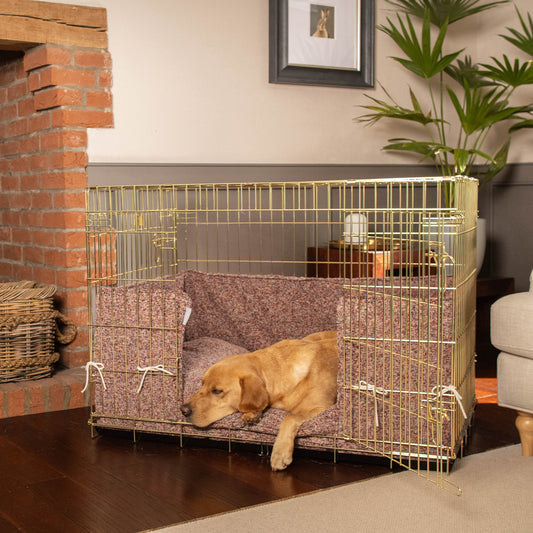
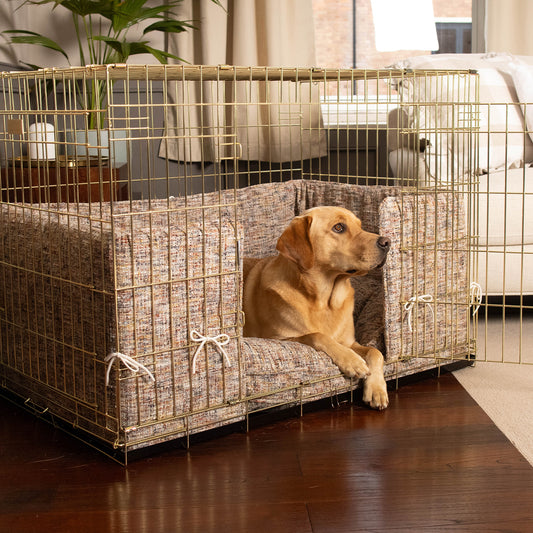
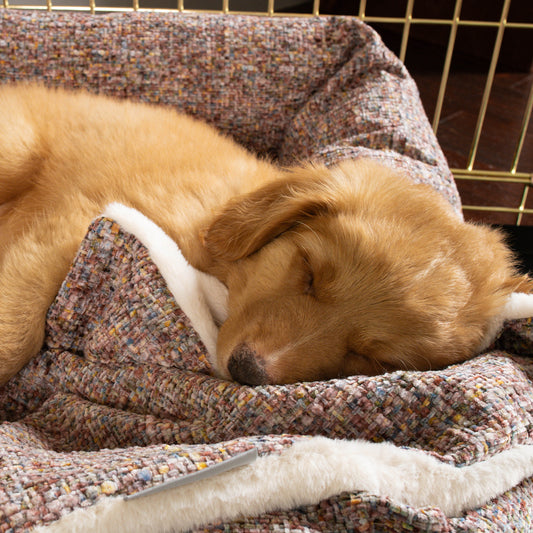
Does Everyone You Know Seem To Be Getting A New Pet?
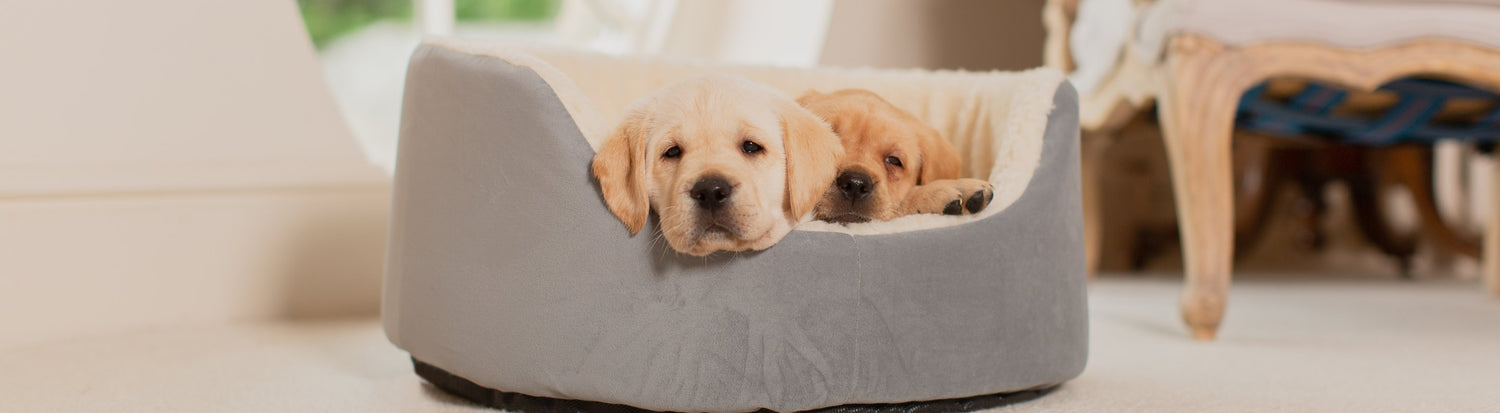
Since the lockdown more people than ever, in both the UK and the US, have decided to become a new pet parent. Whether that is adding to their existing furry family or becoming a pet parent for the first time.
There has been some discussion on if this is a worrying ’trend’ and if this will mean lots of unwanted pets when the pandemic is over. Alternatively, it is more likely to be the more responsible of us actioning a plan to get a pet and spend that all important puppyhood or kittenhood time together, now the perfect time has presented itself. Equally there has been a surge in pet adoptions from re-homing centres which can only be a positive thing.
Is Now The Best Time To Get A Pet?
Timing is super important when deciding whether to get a pet or not. Both cats and dogs will need quite a lot of attention, especially in the first few weeks when getting them settled; dogs perhaps even more than cats. Under normal circumstances, settling in new pets, which is the hardest, most time consuming part of pet ownership, would mean booking a little time off work. Now, however, there is the opportunity if you’re working from home, or indeed furloughed, to put that precious time into your new family member. House training, lead training and general bonding will be a lot more feasible.
A key consideration of course, will be what happens after lockdown. It’s easy to feel like social isolation is going on forever, but life will go back to normal, whatever that new normal may be. It might be for many of us, that working from home will become something we do more often. Whatever the plan, you’ll need to ensure you will be able to give your pet the appropriate amount of time in the long run.
Our Post Lockdown World
Perhaps, overall, pet ownership in the UK and the US will reach a new higher normal level and thus there should be, in the future, more pet friendly places to go, stay and socialise.
Equally, maybe many of us will continue to work from home at least some of the time. The benefits will include reduction of carbon emissions, reduced commutes, less busy roads and spending time with your pet.
Links Between Pet Ownership & Health
There are many health benefits to owning a pet. The bond between people and pets is known to lower stress, increase happiness and also fitness. They can help improve our health in so many ways such as lowered blood pressure and cholesterol levels; decreased feelings of loneliness and increasing our opportunities for exercise.
How To Prepare For Your New Pet
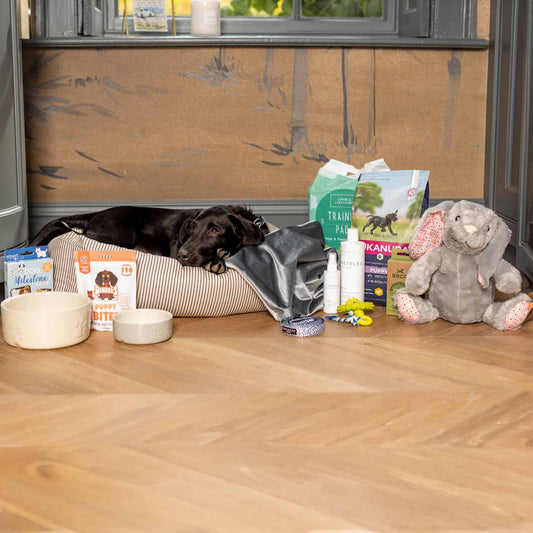
If you’re preparing your home for a new pet there a few things you’ll need to consider. You’ll want to make sure your home is safe for your new pet, know where they are going to spend most of their time and also make sure you have everything you need. Getting a pet should be fun so we have put a number of resources together to help you remember everything whilst staying stress-free!
We have some great advice on what to buy for new pets in our blog posts here:
Puppies: Everything you Need For Your Perfect Puppy Shopping List
Kittens: Everything I need for my New Kitten Shipping List
We also discussed how to prepare the home for puppies and kittens in our articles here:
How to Prepare For your New Puppy
Cat Proofing Your New Home
And don’t forget if you have any questions, we’re always here to help. Whether you’re a first time pet owner looking for product advice, or you have a question about something else pet related, we’re here to help!
You might also like to explore the other articles in our Journal here. We publish articles about all areas of a pet’s life on a weekly basis.
Since the lockdown more people than ever, in both the UK and the US, have decided to become a new pet parent. Whether that is adding to their existing furry family or becoming a pet parent for the first time.
There has been some discussion on if this is a worrying ’trend’ and if this will mean lots of unwanted pets when the pandemic is over. Alternatively, it is more likely to be the more responsible of us actioning a plan to get a pet and spend that all important puppyhood or kittenhood time together, now the perfect time has presented itself. Equally there has been a surge in pet adoptions from re-homing centres which can only be a positive thing.
Is Now The Best Time To Get A Pet?
Timing is super important when deciding whether to get a pet or not. Both cats and dogs will need quite a lot of attention, especially in the first few weeks when getting them settled; dogs perhaps even more than cats. Under normal circumstances, settling in new pets, which is the hardest, most time consuming part of pet ownership, would mean booking a little time off work. Now, however, there is the opportunity if you’re working from home, or indeed furloughed, to put that precious time into your new family member. House training, lead training and general bonding will be a lot more feasible.
A key consideration of course, will be what happens after lockdown. It’s easy to feel like social isolation is going on forever, but life will go back to normal, whatever that new normal may be. It might be for many of us, that working from home will become something we do more often. Whatever the plan, you’ll need to ensure you will be able to give your pet the appropriate amount of time in the long run.
Our Post Lockdown World
Perhaps, overall, pet ownership in the UK and the US will reach a new higher normal level and thus there should be, in the future, more pet friendly places to go, stay and socialise.
Equally, maybe many of us will continue to work from home at least some of the time. The benefits will include reduction of carbon emissions, reduced commutes, less busy roads and spending time with your pet.
Links Between Pet Ownership & Health
There are many health benefits to owning a pet. The bond between people and pets is known to lower stress, increase happiness and also fitness. They can help improve our health in so many ways such as lowered blood pressure and cholesterol levels; decreased feelings of loneliness and increasing our opportunities for exercise.
How To Prepare For Your New Pet
If you’re preparing your home for a new pet there a few things you’ll need to consider. You’ll want to make sure your home is safe for your new pet, know where they are going to spend most of their time and also make sure you have everything you need. Getting a pet should be fun so we have put a number of resources together to help you remember everything whilst staying stress-free!
We have some great advice on what to buy for new pets in our blog posts here:
And don’t forget if you have any questions, we’re always here to help. Whether you’re a first time pet owner looking for product advice, or you have a question about something else pet related, we’re here to help!
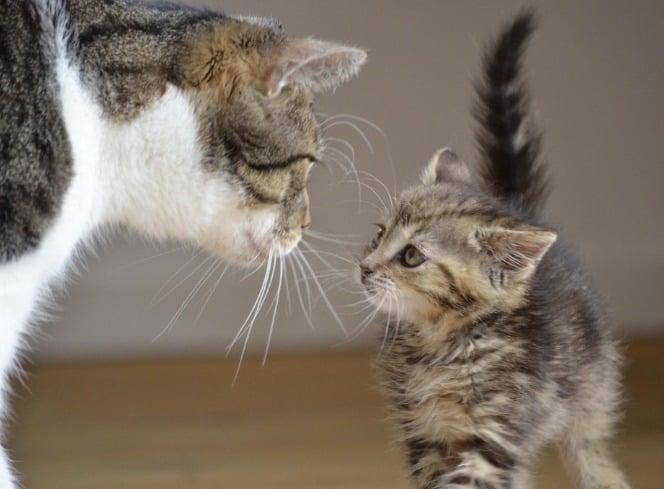
Bringing a new kitten home is an exciting moment, but if you already have an older cat, you may be wondering how to make the introduction as smooth as possible. Cats are territorial creatures, and a sudden change in their environment can lead to stress, hissing, and even aggression. Fortunately, with patience and the right approach, you can successfully integrate a kitten with an older cat and create a harmonious home.
In this guide, we’ll walk you through every step of the process, from preparation to long-term integration.
Preparing for the Introduction
Before your kitten and older cat meet, it’s important to set the stage for success. Cats thrive on routine, so any disruption should be handled with care.
1. Create a Safe Space for Your Kitten
Your new kitten needs a dedicated area where they can settle in before meeting your older cat. This could be a spare room or a quiet corner of your home with essentials like:
A comfortable cat bed
Food and water cat bowls
A litter tray (separate from your older cat’s)
Toys
A scratching post
Keeping your kitten in a separate space for the first few days allows them to adjust to their new surroundings while preventing your older cat from feeling threatened.
2. Introduce Their Scents First
Cats rely heavily on scent to recognise their surroundings and other animals. Before a face-to-face introduction, swap bedding or gently rub a cloth on each cat and place it near the other. This allows them to get familiar with each other's scent in a non-threatening way.
3. Use a Pheromone Diffuser
If your older cat is prone to stress, consider using a calming pheromone diffuser in your home. These mimic natural cat pheromones and can help ease the transition. We love the Pet Remedy plug in diffusers, it has a unique formula using low concentration Valerian essential oils blended with Vetiver, Sweet Basil, and Sage. In times of stress or anxiety the nerves get over stimulated, which leads on to the many different signs of stress we see in our pets. The special Pet Remedy blend of essential oils works alongside these natural relaxation pathways to help calm the nerves of anxious or stressed pets.
The First Meeting
After a few days of scent swapping and separate living spaces, it’s time for the initial introduction.
1. Controlled Visual Introduction
The best way to introduce a kitten to an older cat is through a controlled, non-threatening environment. Use a pet gate or slightly open door to allow them to see each other without direct contact. Observe their reactions:
Curious but calm? A positive sign!
Hissing or growling? Normal at first—your older cat is setting boundaries.
Ears back, tail flicking aggressively? Your older cat may need more time.
Repeat this process over several days, allowing them to get used to each other’s presence before removing barriers.
2. Supervised Face-to-Face Meetings
When both cats appear comfortable, let them interact under supervision. Keep the meetings short and positive. Encourage good behaviour with treats or gentle praise.Expect some hissing or swatting—it’s your older cat’s way of setting boundaries. However, if there’s persistent aggression or excessive stress, separate them and try again later.
Managing Common Issues
Even with a careful introduction, some challenges may arise. Here’s how to handle them:
Older Cat Hissing at New Kitten
Hissing is a natural reaction—it’s your older cat’s way of saying, “Give me space.” As long as it doesn’t escalate into physical aggression, give them time to adjust. Continue scent swapping and controlled introductions.
Older Cat Stressed by New Kitten
If your older cat shows signs of stress (hiding, over-grooming, loss of appetite), ensure they have plenty of their own space. Consider adding extra vertical spaces like cat trees or shelves where they can retreat when needed.
How to Get an Old Cat to Like a New Kitten
Building a positive relationship takes time. Encourage bonding by:
Feeding them at the same time (but at a distance)
Playing with both cats together using a wand toy
Rewarding calm behavior with treats
Avoid forcing interaction—let them establish their own relationship at their own pace.
Long-Term Integration
As your kitten and older cat become more comfortable, you can gradually allow more unsupervised interactions. Ensure they each have their own essentials (litter trays, food bowls) to reduce competition.
It can take weeks or even months for an older cat to fully accept a new kitten, but with patience, most cats learn to coexist—and some even become best friends!
Final Thoughts
Introducing a kitten to an older cat requires patience and a thoughtful approach. By giving both cats their own space, managing their interactions carefully, and addressing any stress, you can create a peaceful home where both your new and old feline companions feel safe and happy.
If you're preparing for a new kitten, be sure to check out our kitten checklist for all the essentials you’ll need. From cosy beds to scratching posts and calming aids, Lords & Labradors has everything to help your cats adjust smoothly.
Choosing the perfect name for your new feline friend can be both exciting and overwhelming. After all, your cat’s name is something you’ll be calling out for years to come. Whether you’ve adopted a male kitten, a calico queen, or a sleek black cat, finding the right name is key to making your new pet feel like part of the family. To help you decide, we’ve compiled a list of the most popular cat names in the UK, along with some tips to ensure you pick the best name for your kitty. Plus, discover how you can make their name truly special with personalised cat beds from Lords & Labradors.
Popular Cat Names for Every Personality
Cats come in all shapes, sizes, and personalities, so it’s only fitting that their names reflect their unique charm. Here are some of the most popular cat names in the UK to inspire you:
Female Cat Names
Luna
Bella
Daisy
Cleo
Willow
Nala
Misty
Ruby
Male Cat Names
Charlie
Oscar
Milo
Jasper
Alfie
Felix
Leo
Teddy
These names are timeless and have been favourites among cat owners across the country. If you’re looking for good male cat names or popular female cat names, these options are a great place to start.
Names for Specific Colours of Cats
Sometimes, your cat’s appearance or breed can inspire their name. Here are some suggestions for specific types of cats:
Black Cat Names
Shadow
Midnight
Onyx
Ebony
Salem
Raven
Jet
Grey Cat Names
Smokey
Ash
Storm
Luna
Misty
Pebble
Silver
Calico Cat Names
Autumn
Patches
Maple
Honey
Freckles
Sienna
Marigold
These names not only reflect your cat’s coat colour but also add a touch of personality to their name. Black cats and grey cats, in particular, lend themselves well to cool and mysterious names, while calico cats often inspire cute and colourful monikers.
Cute and Funny Cat Names
If you prefer something a little more lighthearted, why not consider a cute or funny cat name? Here are some ideas:
Cute Cat Names
Biscuit
Fluffy
Muffin
Poppy
Cupcake
Tinkerbell
Funny Cat Names
Chairman Meow
Catniss Everdeen
Furrball
Purrsephone
Meowington
Sir Pounce
These names are sure to bring a smile to your face and perfectly suit playful or cheeky kitties. Cute kitty names like Muffin and Poppy are especially popular among families with children.
Unique and Cool Cat Names
If you’re looking for something a little out of the ordinary, unique and cool cat names are a great choice. Here are some suggestions:
Unique Male Cat Names
Orion
Apollo
Zephyr
Atlas
Caspian
Cool Cat Names
Maverick
Storm
Ace
Blaze
Indigo
These names are perfect for adventurous and confident cats, and they’ll ensure your kitty stands out from the crowd.
Tips for Choosing the Best Names for Cats
Keep It Short and Sweet: Cats respond best to names that are one or two syllables long. Names like Bella or Milo are easy for them to recognise.
Consider Their Personality: If your cat is playful, cheeky, or mysterious, choose a name that reflects their character. For example, Purrsephone might suit a mischievous feline, while Willow is perfect for a calm and graceful kitty.
Test It Out: Say the name out loud a few times to see how it feels. Make sure it’s easy to pronounce and something you won’t mind saying in public!
Get the Family Involved: If you’re naming your cat as a family, make it a group effort. Kids often come up with adorable and creative names for kittens.
Shop Our Personalised Cat Beds
Once you’ve found the perfect name for your cat, why not treat them to a personalised cat bed? At Lords & Labradors, we offer a range of luxurious beds that can be customised with your pet’s name, making them feel extra special. Whether your kitty is a Luna, Jasper, or Poppy, their new bed will be the perfect addition to your home. Shop Our Personalised Cat Beds
Finding the perfect name for your cat is a wonderful way to start your journey as a pet owner. Whether you choose a popular name, a funny name, or something entirely unique, remember that the best name is the one that feels right for you and your new furry friend.
Your Puppy’s First Vet Visit: Everything You Need to Know and Bring
Bringing home a new puppy is a joyful experience full of cuddles, playful tumbles, and plenty of learning opportunities. One of the most important early steps in ensuring a long, healthy life for your little furry friend is scheduling that very first vet appointment.
Here, we will walk you through everything you need to know—from choosing the right vet to packing essential items—so you can confidently make your puppy’s debut clinic visit a positive, stress-free experience.
When to Schedule the First Vet Visit
Making a timely vet appointment is crucial to kickstart your puppy’s healthcare routine. Most puppies should visit a vet within the first week or two of arriving home, particularly if you have limited information about their vaccination or medical history.
This ensures:
A thorough health check
A clear vaccination schedule
Early detection of any existing health concerns
A chance to address fleas, worms, or other parasites right away
Even if your breeder or rescue provided initial records, scheduling a vet consult soon after you bring your puppy home guarantees you stay on track with recommended treatments and helps your new pup settle confidently into their forever home.
Choosing the Right Veterinary Practice
Finding the right vet is about more than simply picking the nearest clinic. You’ll want a team that resonates with your approach to pet care, offers comprehensive services, and is conveniently located. Here are a few considerations:
1. Recommendations and Reviews
Ask friends, family, or local pet communities about their experiences.
Research online reviews to see what other pet owners say about the clinic’s staff and services.
2. Location and Accessibility
Close proximity to your home can be crucial during emergencies or for regular checkups.
Check if the clinic has easy parking or access to public transport.
3. Clinic Environment
Does the clinic have separate waiting areas for dogs and cats?
Is the staff friendly and accommodating when you phone or visit?
4. Additional Services
Some practices also offer grooming, training, or boarding—bonus points if you’d like one-stop convenience.
We recommend asking plenty of questions beforehand. A good vet will welcome your curiosity and ensure you feel well informed about their protocols and expertise.
Preparing Your Puppy for the Vet
Your puppy’s first vet visit can be a big event, and the best way to ensure it goes smoothly is by acclimating them beforehand. Our team of pet experts suggests the following to help set your puppy up for success:
Practice Being Handled
Gently handle your puppy’s paws, ears, and mouth at home to build their comfort with touch.
Get them used to being lifted onto low tables or countertops (safely) so the vet’s exam table won’t feel too foreign.
Desensitise Through Short Trips
Take quick car rides or walk your puppy past the vet clinic so they can experience these environments without any medical procedures involved.
Reward them with treats and praise during these “practice runs” to create positive associations.
Positive Reinforcement
Reinforce calm behaviour with gentle praise and occasional treats.
If your puppy seems anxious, remain calm and reassuring—your demeanour sets the tone for how they interpret new situations.
What to Bring on Vet Day
Being well-prepared helps make the experience smooth for both you and your pup. A few essentials include:
Medical Records or Documentation - Bring any paperwork from breeders, rescues, or previous owners detailing vaccines and treatments.
Comfortable Carrier or Bed - Our Easy Traveller Bed is perfect for a cosy, secure ride. It’s designed to help your puppy feel snug and calm on the go.
Treats and Toys - Small, tasty treats will help with positive reinforcement, while a familiar toy can offer comfort in unfamiliar surroundings. Stock up on tasty training treats here
Lead and Harness - Always secure your puppy, even if you have a carrier. This ensures you can safely guide them around the waiting area.
Stool Sample (If Requested) - Check if your vet wants a fresh sample for parasite testing. If so, collect it just before the appointment.
Travelling to the Vet
Safety First
Secure your puppy in a travel crate, carrier, or on a harness fastened in the car. This prevents distractions and keeps them safe during the journey.
A bed like the Easy Traveller Bed can be buckled in or placed in a stable spot so your pup feels at ease.
Short Familiarisation Drives
If your puppy is new to car rides, start with short, fun trips around the block or to a local park.
Gradually increase the distance and reward calm behaviour along the way.
Keep the Atmosphere Calm
Use a soft tone of voice and, if possible, a quiet environment in the car (lower radio volume, for instance).
Avoid sudden stops or erratic driving—gentle, steady driving helps your puppy remain relaxed.
Handling the Waiting Room
Vet waiting rooms can be bustling places, filled with unfamiliar scents and animals. Here’s how to keep the experience positive:
Stay Close - Keep your puppy on a short lead or in their carrier to prevent unwanted interactions with other pets. If they haven’t been vaccinated yet we’d recommend keeping them in their carrier or sat on your lap to minimise infection risk.
Pick a Calm Spot - Some clinics separate dogs and cats—choose the dog-friendly side if it’s less hectic.
Offer Comfort - Speak reassuringly, stroke your puppy gently, and provide a treat for good behaviour.
What to Expect During the Exam
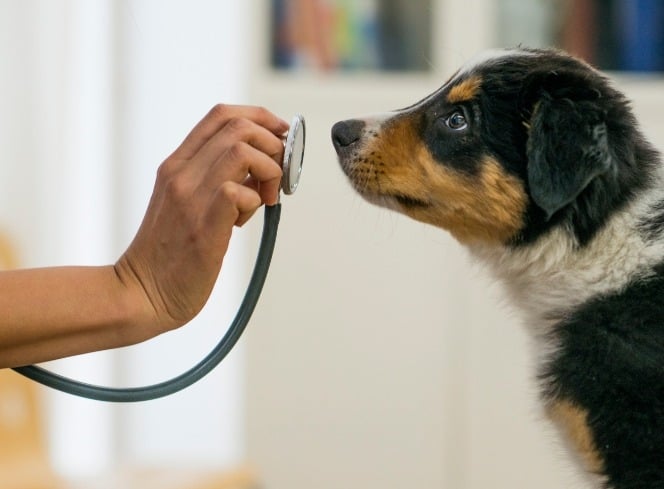
Once called in, the vet will likely perform a thorough check to assess your puppy’s overall health. This involves examining the ears, eyes, nose, mouth, heart, and lungs. Making your pup feel comfortable on the exam table is crucial:
Place a familiar toy or blanket on the table to ease any nerves. A lot vets will also provide your puppy with treats during the exam to help reassure them and build trust
Stay relaxed and speak soothingly; puppies pick up on your energy.
Reward calm behaviour with gentle praise—or a small treat if the vet allows.
Key Procedures at the First Vet Visit
Your puppy’s inaugural appointment often covers a few foundational treatments and discussions:
Physical Examination - A nose-to-tail check ensures your puppy has no underlying medical issues that need attention.
Vaccinations - Puppies typically start their core vaccinations around 6–8 weeks old, with boosters scheduled in the following weeks or months. Your vet will clarify the exact timeline.
Microchipping - If your puppy isn’t already chipped, the vet can usually do it on site. This quick, relatively painless procedure provides your pet with permanent identification.
Flea & Worm Prevention - Young puppies can be prone to parasites. Your vet will recommend treatments to guard against fleas, ticks, and worms, and outline an ongoing preventative routine.
Nutritional & Behavioural Advice - Vets can guide you on puppy-appropriate foods, treats, and basic training tips. Don’t hesitate to ask questions!
Essential Tips in a Nutshell
Book Early: Schedule a vet appointment soon after bringing your puppy home.
Practice Handling: Get them used to gentle touches and being lifted.
Travel Prep: Use a comfortable, secure carrier or bed like our Easy Traveller Bed.
Waiting Room Strategy: Keep them on a lead or in a carrier, choose a quiet corner, and reassure them with a calm voice.
Follow Vet Guidance: Stick to the recommended vaccination, microchipping, and parasite prevention schedules.
Final Thoughts
Your puppy’s first vet visit lays the groundwork for a lifetime of good health. By choosing a reputable veterinarian, preparing your pup with gentle handling, and bringing the right essentials—from carriers to treats—you can make this inaugural trip a positive milestone rather than a stressful one. We at Lords & Labradors believe every puppy deserves a great start in life, and our team of pet experts are always here to support you with advice, products, and resources.
Remember, the better the experience at this early stage, the more likely your puppy will feel comfortable during future checkups. A little preparation today goes a long way toward ensuring a lifetime of wagging tails and happy vet visits in the years to come!
Shop all the puppy essentials you will need for your pups first vet visit and beyond at Lords & Labradors.
Deciding to adopt a dog is a heartwarming and rewarding choice. Whether you found your new companion through animal shelters or have chosen to rehome a dog from a local rescue centre, the journey of bringing home a rescue dog is one filled with excitement, responsibility, and a dash of uncertainty. To help you prepare for this joyous transition, we’ve compiled some key considerations and practical tips for bringing home a new dog from the shelter. From setting up a welcoming environment to ensuring a calm mental space for your adopted dog, here’s everything you need to know.
1. Why Adopt a Rescue Dog?
Choosing to adopt a dog through reputable animal shelters offers numerous benefits—not only for you but also for the pup you’re welcoming into your home. Rescue dogs often come from challenging backgrounds, so you’re giving them a second chance at a loving family. Plus, many shelters assess each dog’s behaviour, enabling you to find the perfect companion suited to your lifestyle and home environment. When you help to rehome a dog, you’re also making space in the shelter for another dog in need—an amazing way to pay it forward and support the wider animal rescue community.
2. Preparing Your Home Environment
Before taking a rescue dog home, it’s crucial to prepare a calm, secure area where they can relax. Dogs thrive when they have a space they can call their own, whether it’s a cosy corner in the living room or a dedicated spot in the bedroom. Make sure it’s away from heavy foot traffic, and provide soft bedding or a crate lined with blankets if that helps the dog feel snug.
Stock Up on Essentials: Have fresh water and nutritious dog food on hand, along with food and water bowls, toys, and grooming supplies. Don’t forget a collar or harness, lead, and identification tag. Check with the charity or shelter you are adopting your dog from to see what the dog is used to and what they like so you can make sure you’re prepared.
Safety First: Inspect your home for potential hazards. Keep electrical cords tucked away, secure any low-lying cabinets that may contain cleaning supplies, and ensure any small objects or chewable items are out of reach.
Consider an Anti-Anxiety Bed: Some rescue dogs may be especially nervous during their transition. Providing a specialised bed can help soothe them. Our Anti-Anxiety Dog Beds collection offers comfortable, soft beds designed to create a sense of security. The faux fur is perfect for cocooning your anxious pup to sleep.
3. Bringing Home Your New Dog from the Shelter
The Journey Home
The journey from the shelter to your home can be unsettling for a dog who’s already experienced upheaval. Bring a towel or blanket that carries a comforting scent from the shelter, if possible. This familiar smell can ease their anxiety during transport.
Stay Calm and Confident: Dogs pick up on your emotions. If you’re calm, they’ll be more likely to remain relaxed too.
Use a Secure Crate or Seatbelt Harness: Safety is paramount. A crate or dog seatbelt harness will prevent your new companion from moving around the car and help them feel more contained and secure.
The Adopted Dog’s First Day Home
The first day is critical in shaping your dog’s impression of their new environment. It’s normal for them to feel overwhelmed or anxious.
Allow Exploration: Give your rescue dog time to sniff around and investigate at their own pace. Don’t force interaction if they seem hesitant; let them come to you when they’re comfortable.
Limit Visitors: While it might be tempting to invite friends and family over to meet your new furry companion, it’s best to keep the environment calm and quiet, at least for the first few days.
Establish Routines: Dogs thrive on routine. Begin establishing set times for meals, walks, and bedtime. This structure helps them understand what to expect and fosters a sense of security.
4. Training and Transition Tips for Bringing Home a Rescue Dog
Positive Reinforcement
When it comes to tips for bringing home a rescue dog, training is a top priority. Consistency and patience are key. Focus on positive reinforcement methods:
Treats and Praise: Reward your dog with small treats, verbal praise, or gentle petting whenever they exhibit desired behaviour.
Short Sessions: Keep training sessions short and fun, especially in the early days when your dog is still adjusting.
Avoid Punishment: Shouting or physical discipline can damage the trust you’re trying to build. Positive reinforcement yields better, more lasting results.
House Training Basics
Some adopted dogs may not be fully housetrained, or they might need a refresher course due to the stress of moving.
Set a Schedule: Take your dog out at regular intervals (e.g., first thing in the morning, after meals, before bedtime).
Choose a Spot: Use the same spot for toileting to create a scent marker, helping them understand where to go.
Praise Immediately: Reward good behaviour right away so your dog associates going outside with positive outcomes.
5. Introducing Your Rescue Dog to Children and Other Pets
Children
Teach Boundaries: Educate children to approach slowly, use gentle voices, and respect the dog’s space—especially if the dog is shy or anxious.
Supervise Interactions: During the early days, be sure to supervise all interactions to prevent accidents and misunderstandings.
Show Calm Enthusiasm: Encourage children to remain calm and consistent. Overly excited behaviour can scare a new dog who’s still settling in.
Other Pets
Bringing home an adopted dog to a household with existing pets requires a slow, careful approach:
Neutral Territory: Introduce dogs or other pets in a neutral space, like a park or a friend’s garden, so neither feels they must defend their home turf.
Gradual Introduction: Keep initial interactions brief and positive. Reward both animals for calm behaviour around each other.
Separate Spaces: Provide separate living or resting areas at first. Over time, as they become more comfortable, you can allow them greater freedom to mingle.
6. Supporting Your Rescue Dog’s Mental Health
Transitioning to a new home can be overwhelming, especially for a rescue dog that might carry past traumas or anxieties. Ensuring they feel safe and loved is vital:
Routine and Consistency: Regular mealtimes, walks, and bedtimes give your dog a sense of predictability.
Calming Products: In addition to anti-anxiety dog beds, consider calming supplements or pheromone diffusers if you notice signs of stress (e.g., excessive panting, pacing, or whining).
Professional Help: If your dog’s anxiety or fear seems significant, consult with a vet or professional dog behaviourist. Early intervention can make a world of difference.
7. Building a Lasting Bond
Taking a rescue dog home is only the start of a lifelong friendship. Dogs thrive on companionship, so spend quality time bonding through play and gentle affection:
Gentle Grooming: Regular grooming sessions can be a calming, bonding experience—just take care to handle your dog gently if they’re not used to it yet.
Explore Together: Take walks in nature, visit dog-friendly cafes, and find safe places for off-lead play (where permitted) once you’re confident they’ll respond to recall.
Celebrate Small Wins: Every small success—whether it’s learning a new command, going a day without accidents, or relaxing in their new bed—deserves celebration. These milestones are part of your shared journey.
8. Encouraging Relaxation at Home
Finally, remember that creating a comfortable home environment is one of the best ways to help your new companion feel safe and secure. Many rescue dogs struggle with anxiety, especially during the initial adjustment period. One simple way to help is by providing a comforting bed designed specifically to calm and soothe.
Explore Our Anti Anxiety Dog Beds
At Lords & Labradors, we understand how important your dog’s wellbeing is. Our Anti-Anxiety Dog Beds collection features soft, faux-fur beds with plush padding. These beds can help your new dog feel enveloped and reassured, offering them a cosy hideaway whenever they’re feeling overwhelmed.
Conclusion
Bringing home an adopted dog from the shelter is a journey filled with excitement, compassion, and responsibility. From ensuring you have the right environment set up to easing them through the first few days in a new setting, each step you take will help your rescue dog settle in and flourish. By focusing on consistency, positive reinforcement, and understanding, you can help your new companion overcome any anxieties they may have and build a lifelong bond based on trust and love.
Ready to Make Your Rescue Dog Feel Right at Home? Check out our Anti-Anxiety Dog Beds to give your new family member a warm and comforting welcome. Your newly rehomed friend deserves the best start possible, and with the right preparation, support, and love, you’ll both be well on your way to a happy, fulfilling life together.